
As winter arrives and temperatures begin to drop, many women over 50 notice that their hands and feet become unusually cold. This discomfort isn’t just a seasonal annoyance—it’s often connected to age-related changes in blood flow, hormone decline, and reduced muscle mass. The good news is that Japanese food culture and daily habits offer gentle, natural ways to support circulation and help your body warm from the inside out.
In this article, you’ll learn why cold extremities become more common after 50, which Japanese foods naturally promote warmth and circulation, and how simple lifestyle adjustments can keep your body comfortable throughout the cold months.
Why Do Hands and Feet Get Colder After 50?
Cold hands and feet become more common with age due to several physiological shifts:
1. Decline in Hormones That Support Circulation
Estrogen plays a role in keeping blood vessels flexible and supporting healthy blood flow. After menopause, lower estrogen levels can slow circulation—leading to chronically cold hands and feet.
2. Reduced Muscle Mass
Muscles generate heat. As muscle mass naturally declines with age (a process known as sarcopenia), the body becomes less efficient at producing warmth.
3. Slower Metabolism
Metabolism fuels body temperature. A slower metabolic rate means slower internal warming.
4. Stress and Tension
Chronic stress tightens blood vessels, limiting circulation to the extremities.
Thankfully, with intentional nutrition and warming lifestyle rituals, you can significantly improve circulation and feel more comfortable in winter.
Japanese Foods that Warm the Body Naturally
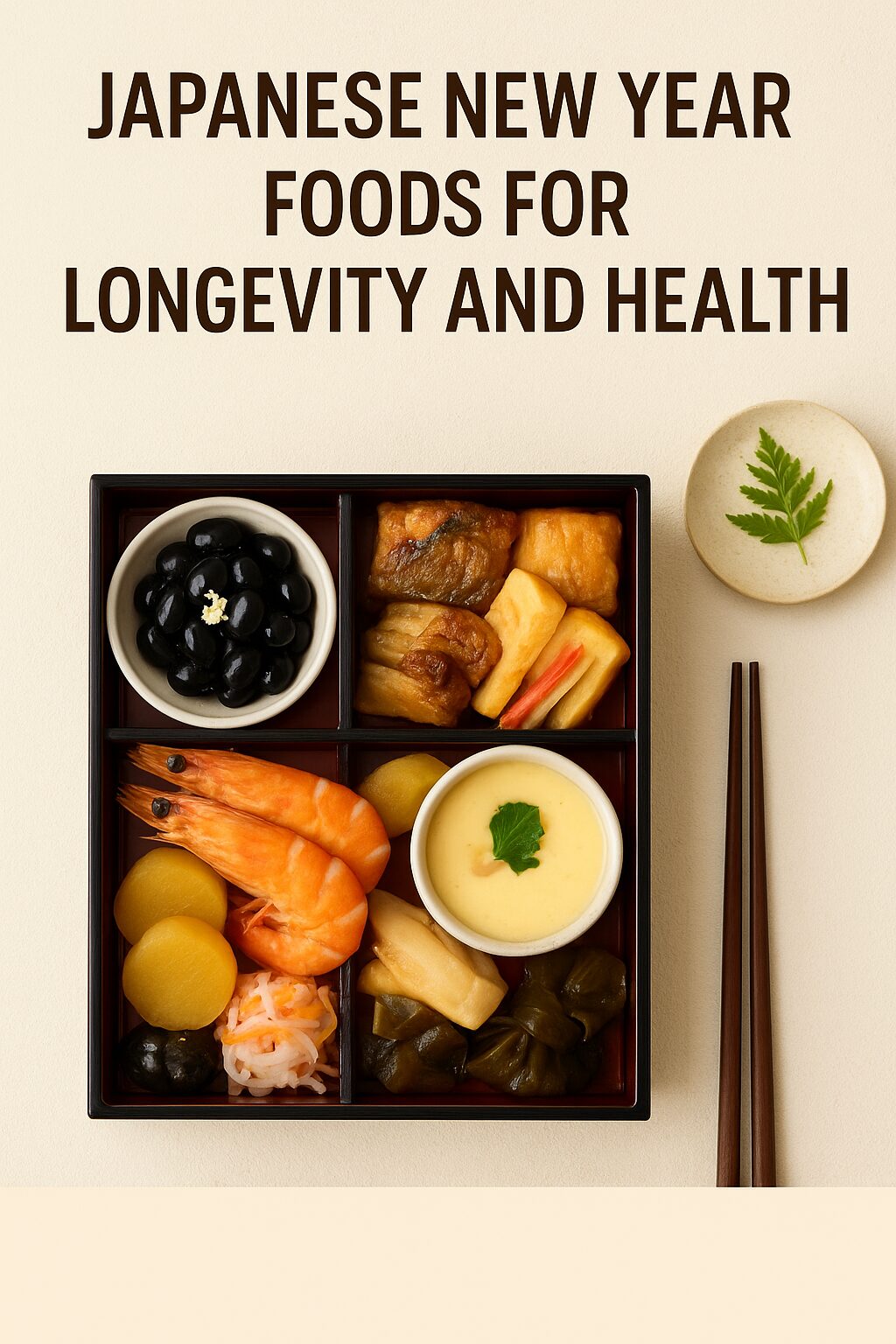
Japan has a long history of using food to support circulation and maintain balance during colder months. These warming ingredients are easy to incorporate into Western diets, and many of them are already gaining popularity for their health benefits.
1. Ginger (Shōga): The Classic Warming Root
Ginger increases peripheral blood flow and stimulates thermogenesis (heat production). In Japan, ginger is used in:
-
Ginger tea (shōga-yu)
-
Ginger-infused miso soup
-
Warm simmered dishes (nimono)
Try adding freshly grated ginger to soups, hot water with honey, or stir-fries during winter.
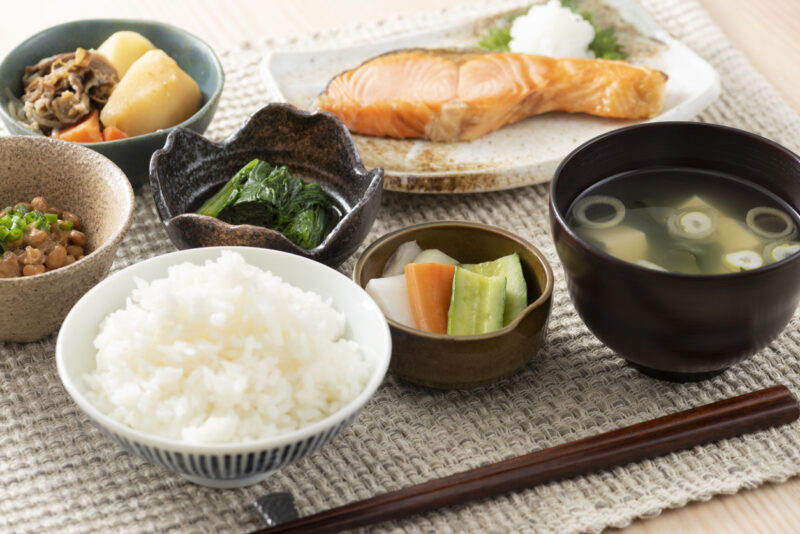
2. Miso Soup: A Warming Everyday Ritual
Miso soup is more than a comfort food—it supports circulation through:
-
Warm temperature
-
Fermented goodness for gut balance
-
Protein from tofu
-
Minerals like potassium and magnesium that support blood flow
A bowl of miso soup each morning is a simple way to warm the body from within.
3. Japanese Yuzu and Citrus Peels
Yuzu peel contains hesperidin, a flavonoid known to promote microcirculation and improve cold sensitivity. In Japan, yuzu peel is added to:
-
Hot baths (yuzu-yu at winter solstice)
-
Teas
-
Soups and simmered dishes
Even a small amount can have circulation-boosting effects.
4. Root Vegetables: Daikon, Carrot, and Burdock
Root vegetables ground the body and provide slow, steady warmth. Popular winter dishes include:
-
Daikon nimono
-
Kinpira gobo (stir-fried burdock)
-
Oden, a warm simmered winter dish full of root vegetables
These foods support digestion and help stabilize body temperature.
5. Seaweed for Mineral Support
Seaweeds like wakame and kombu provide:
-
Iron
-
Iodine
-
Magnesium
All of which help blood vessels function properly. Adding seaweed to miso soup or salads gives your circulation a gentle nudge.
Japanese Lifestyle Habits for Better Winter Circulation
Beyond food, Japanese culture includes many winter habits that help the body stay warm and relaxed.
1. Warm Baths with Yuzu or Essential Oils
Bathing is a cherished daily practice in Japan. Hot baths:
-
Dilate blood vessels
-
Improve circulation to hands and feet
-
Reduce stress hormones that restrict blood flow
Adding yuzu peel or ginger slices boosts the warming effect.
2. Hara-Warming (Keeping the Abdomen Warm)
In Japanese health philosophy, the abdomen (“hara”) is considered the center of the body’s warmth. Keeping the abdomen warm helps blood flow reach the extremities.
Ways to warm the hara:
-
A warm water bottle on the stomach
-
Wearing haramaki (a traditional stomach wrap)
-
Drinking warm teas instead of cold beverages
3. Light Movement Throughout the Day
Cold extremities worsen when sitting for long periods. Small actions can boost blood flow:
-
Gentle stretching every two hours
-
A short walk after meals
-
Foot circles while seated
Movement helps the body generate heat and sends blood toward the hands and feet.
4. Deep Breathing and Relaxation
Stress constricts blood vessels. Japanese practices like tea ceremony, deep breathing, and mindful pauses promote calm and gentle warmth.
Even 2 minutes of slow breathing can improve peripheral circulation.
Warm Drinks to Boost Circulation Naturally
Many Japanese winter beverages help warm the body from within:
-
Ginger tea (shōga-yu)
-
Roasted barley tea (mugicha)
-
Hōjicha, a low-caffeine roasted green tea
-
Hot yuzu honey tea
Avoid iced drinks in winter—warm beverages maintain internal temperature and circulation.
How Juveriente Products Fit Naturally into Winter Warmth
Many women over 50 experience cold hands and feet because of hormone decline. Juveriente’s Japanese-formulated supplements aim to support the body’s natural processes behind warmth and circulation.
Effisoy®
Effisoy provides fermented soy isoflavones from Japan, which help the body regain its own ability to regulate hormones. Better hormonal balance may help support circulation and reduce cold sensitivity.
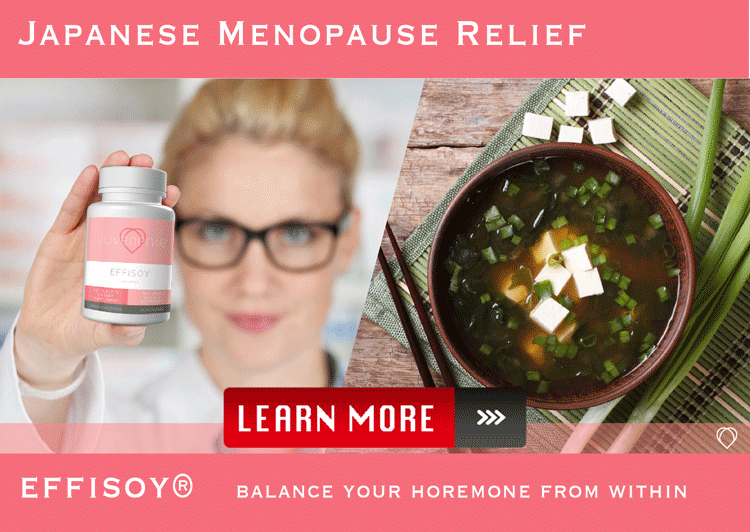 The only supplement to contain fermented soy isoflavone beside Japan.
Bone Strength Complex
This supplement includes Japanese mandarin extract rich in beta-cryptoxanthin, which supports bone strength and overall vitality—especially helpful for women experiencing seasonal fatigue.
These supplements cannot replace warm foods or winter habits, but they can be a natural complement to your overall wellness routine.

Simple Japanese-Inspired Winter Warmth Routine
Here is a sample daily routine to keep your hands and feet warm naturally:
-
Morning:
Warm miso soup with ginger + 5 minutes of stretching -
Afternoon:
Hōjicha tea instead of iced drinks -
Evening:
Short walk + warm bath with citrus peel -
Before Bed:
Light foot massage + warm socks
These small steps create lasting improvements in circulation and overall comfort.
Final Thoughts
Winter coldness in the hands and feet is common for women over 50, but you don’t have to endure it. Japanese foods, warming ingredients, daily habits, and gentle supplements all work together to:
-
Improve circulation
-
Reduce cold sensitivity
-
Support hormonal balance
-
Increase comfort during the winter months
By adopting a few of these simple traditions, you can stay warm naturally—without relying on excessive heating or heavy clothing.