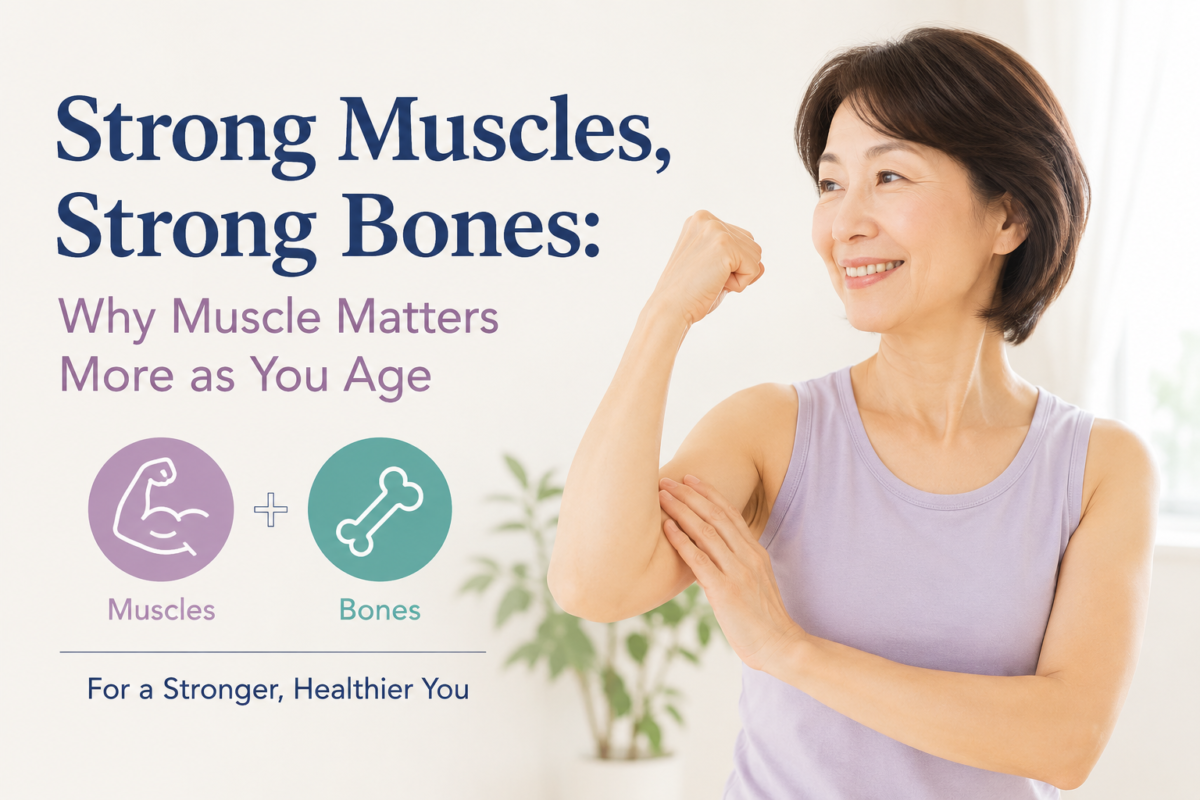
Strong Muscles, Strong Bones: Why Muscle Matters More as You Age

When we think about staying strong as we age, we often think about our bones.

We worry about bone density, calcium intake, and the risk of fractures.

But there is another part of the picture that deserves just as much attention: our muscles.

Muscles do much more than help us lift things or climb stairs. They support our bones, stabilize our joints, help us maintain balance, and allow us to keep doing the everyday things that make life enjoyable.

Strong bones matter.

But strong bones work best when they are supported by strong muscles.

Muscle and Bone Work Together

Bones and muscles are sometimes treated as separate parts of our health.

In reality, they form a closely connected system.

Every time a muscle contracts, it pulls on the bone it is attached to. This mechanical force is one of the signals that encourages bones to maintain their strength.

This is one reason physical activity is so important for bone health.

When we walk, climb stairs, carry groceries, garden, or perform resistance exercises, our muscles are working—and our bones are responding to those forces.

A sedentary lifestyle does the opposite.

When muscles are rarely challenged, they gradually become weaker. Bones also receive less of the mechanical stimulation that helps maintain them.

The simple lesson is:

Your skeleton was designed to move.

We Naturally Lose Muscle as We Age

Muscle mass does not stay constant throughout life.

Beginning in midlife, adults tend to gradually lose muscle mass and strength, especially if they are physically inactive.

This age-related decline can eventually contribute to sarcopenia, the medical term for significant loss of muscle mass, strength, and physical function associated with aging.

The National Institute on Aging emphasizes the importance of physical activity—including muscle-strengthening activities—for maintaining strength, balance, and independence as we grow older.

But muscle loss is not inevitable at the same rate for everyone.

Our daily habits matter.

Regular movement, adequate nutrition, and activities that challenge the muscles can help preserve strength far longer than many people assume.

Strong Muscles Help Protect You From Falls

A fracture does not happen simply because a bone has become weaker.

Often, something happens first:

You fall.

This is why preventing falls is an important but sometimes overlooked part of protecting our bones.

Strong leg and core muscles help stabilize the body when we walk, turn, step off a curb, or encounter an uneven surface.

Muscle strength also helps us react quickly when we lose our balance.

The Centers for Disease Control and Prevention notes that falls are a major cause of injury among older adults, but many falls can be prevented.

Exercise that improves strength and balance is an important part of that prevention.

In other words, protecting your bones isn’t only about making bones stronger.

It is also about building a body that is less likely to fall.

Menopause Makes Muscle Health Even More Important

For women, midlife brings another important change.

During and after menopause, hormonal changes can affect both bone and muscle.

Estrogen plays a role in more than reproductive health. It is also involved in maintaining the musculoskeletal system, including both bones and skeletal muscle. As estrogen levels decline during the menopausal transition, women may experience changes in muscle mass, strength, and the way the body responds to exercise. At the same time, bone loss can accelerate, making the combination of strong muscles and strong bones increasingly important.

This is one reason menopause can be a useful time to rethink what “staying healthy” really means.  Managing menopause is not only about dealing with familiar symptoms such as hot flashes or sleep problems. It is also about protecting the body for the decades ahead. Maintaining muscle through regular movement, resistance exercise, and good nutrition can become an important part of a broader approach to healthy aging.

That means the years around menopause are an especially valuable time to think about strength—not just weight or appearance.

The goal does not need to be building large muscles.

For healthy aging, something much more practical matters:

Can you comfortably get up from a chair?

Can you carry your shopping bags?

Can you climb stairs without struggling?

Can you catch yourself if you stumble?

Can you keep doing these things ten or twenty years from now?

These are meaningful measures of strength.

Walking Is Wonderful—But Your Muscles Need More

Walking is one of the best habits we can develop as we age.

It is accessible, inexpensive, and easy to incorporate into everyday life.

But walking alone may not provide enough resistance to preserve all of our muscle strength.

This is where resistance exercise becomes important.

Resistance does not necessarily mean lifting heavy barbells at a gym.

It can include:

  • Squats or repeated sit-to-stand movements
  • Wall push-ups
  • Resistance bands
  • Light dumbbells
  • Climbing stairs
  • Carrying moderately heavy objects
  • Exercises using your own body weight

The important idea is to give your muscles a reason to remain strong.

Our bodies adapt to what we ask them to do.

If we regularly ask our muscles to work, they respond.

Protein Matters Too

Exercise provides the stimulus, but the body also needs the nutritional building blocks to maintain muscle.

Protein is particularly important.

Fish, eggs, dairy products, soy foods, beans, meat, and other protein-rich foods can all contribute to maintaining muscle mass.

For older adults, spreading protein intake across meals may also be useful rather than consuming most of the day’s protein at one meal.

And this brings us back to bone health.

A healthy aging diet should not focus on one nutrient alone.

As we discussed in Your Bones Need More Than Calcium, bone health depends on much more than a single nutrient.

The body works as a system.

The Japanese Habit of Everyday Movement

In Japan, physical activity has traditionally been built into everyday life rather than separated as something we only do during a “workout.”

Walking to neighborhood shops, getting to and from train stations, using stairs, doing housework, gardening, and moving frequently throughout the day all create small opportunities for the muscles to work.

Even ordinary movements—standing up from the floor, carrying shopping bags, or walking instead of driving short distances—require strength, balance, and coordination.

None of these activities may feel like exercise. That is exactly the point.

A healthy body is not built only during the thirty minutes we set aside for exercise. It is also shaped by how much we move during the other hours of the day.

This may be one useful lesson from the traditional Japanese lifestyle: don’t think of movement only as exercise. Look for ways to make movement part of life itself.

Small movements may seem insignificant, but repeated every day for years, they can add up to something much bigger.

Strength Means Independence

There is another reason muscle matters that has little to do with fitness.

Strength gives us independence.

The ability to walk where we want, carry our own belongings, travel, cook, shop, play with grandchildren, and get up from the floor may seem ordinary when we are younger.

Later in life, these abilities become precious.

Muscle strength supports them.

That is why maintaining muscle should not simply be thought of as an exercise goal.

It is part of preparing for the life we want to live as we grow older.

You Don’t Need to Become an Athlete

It is easy to imagine that strength training belongs to athletes or fitness enthusiasts.

It doesn’t.

You do not need a gym membership, complicated equipment, or an intense training program to start challenging your muscles.

Even small changes can matter.

Stand up from your chair several times without using your hands.

Take the stairs when it feels comfortable.

Carry your groceries instead of always using a cart.

Try simple resistance exercises at home.

Add a little more challenge as your body becomes stronger.

Consistency matters far more than perfection.

Build Strength for the Years Ahead

Healthy aging is not simply about avoiding disease.

It is about preserving the ability to live the life we choose.

Strong bones are an important part of that future—but bones do not work alone.

They depend on muscles to move them, support them, protect them, and help keep us balanced.

So when you think about your bone health, think beyond calcium and bone density.

Think about the muscles surrounding those bones.

Keep walking.

Keep moving.

Challenge your muscles occasionally.

Eat foods that support both muscle and bone.

Because the strength you build today is not just for today.

It is an investment in your independence for the years ahead.
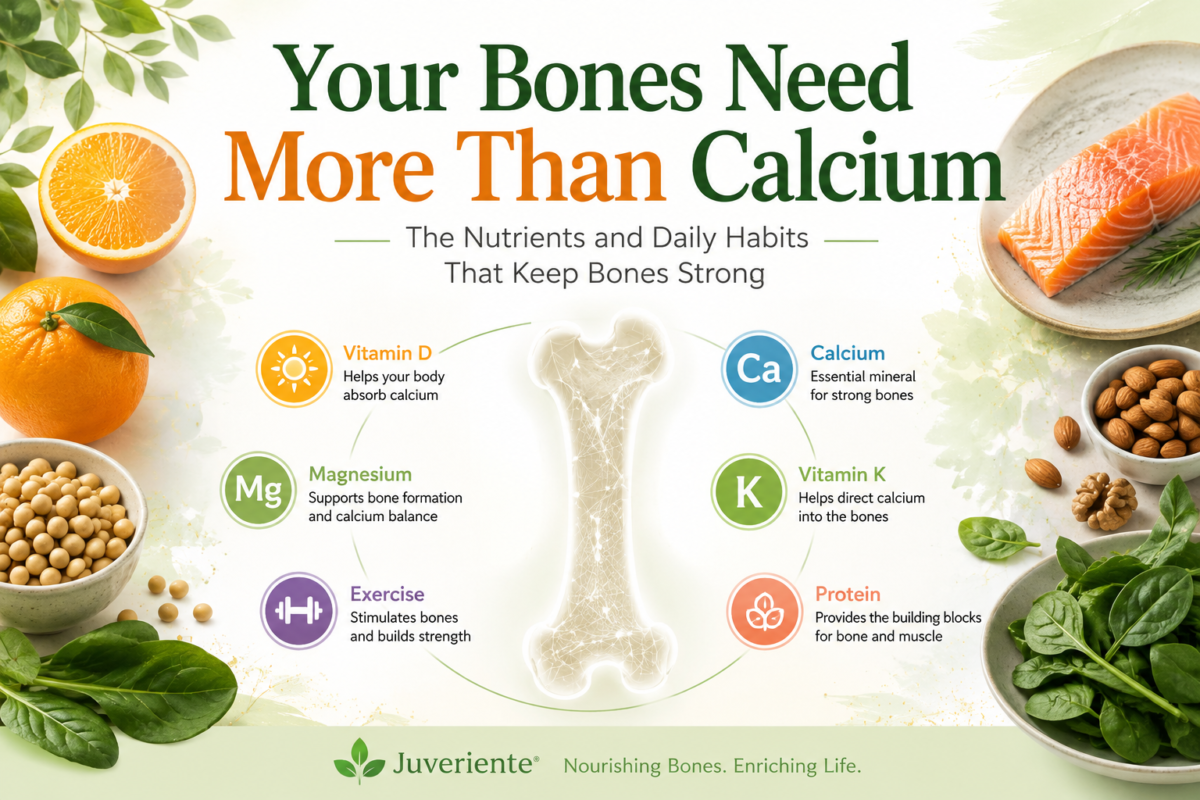
Your Bones Need More Than Calcium: The Nutrients and Daily Habits That Keep Bones Strong

When people think about bone health, one nutrient almost always comes to mind: calcium.

For decades, we’ve been told to drink more milk or take calcium supplements to keep our bones strong. Calcium certainly plays an essential role, but the truth is more complicated.

Your bones are living tissue. They are constantly being broken down and rebuilt throughout your life. To support this process, your body needs much more than a single mineral.

Strong bones depend on a combination of nutrients, physical activity, healthy lifestyle habits, and the body’s remarkable ability to renew itself.

Understanding how these factors work together can help you build stronger bones today—and maintain your independence as you grow older.


Bones Are Living Tissue, Not Just Calcium Storage

Many people imagine bones as hard, lifeless structures that simply hold the body together. In reality, bones are incredibly active.

Throughout your life, your skeleton is constantly undergoing bone remodeling. Specialized cells called osteoclastsremove old bone, while osteoblasts build new bone in its place.

This process repairs tiny areas of damage, keeps bones strong, and even helps regulate calcium levels in the bloodstream.

When we’re young, bone formation usually exceeds bone breakdown. As we age—especially after menopause—this balance gradually shifts. Bone breakdown begins to outpace bone formation, increasing the risk of osteoporosis and fractures.

This is why bone health isn’t something to think about only after retirement. It is a lifelong investment built through everyday habits.

Learn more about bone remodeling from the National Institutes of Health:


Calcium Is Essential—But It Cannot Work Alone

Calcium remains one of the most important nutrients for healthy bones.

About 99% of the calcium in your body is stored in your bones and teeth, where it provides strength and structure.

However, simply consuming more calcium does not automatically lead to stronger bones.

Think of calcium as bricks for building a house. Bricks are essential—but without skilled workers, mortar, blueprints, and maintenance, they cannot create a strong home.

Bones work in much the same way.

Vitamin D

Vitamin D helps your body absorb calcium from the foods you eat.

Without enough vitamin D, much of the calcium you consume cannot be used efficiently.

Sunlight, fatty fish, and fortified foods all contribute to healthy vitamin D levels.

Magnesium

Magnesium supports hundreds of biochemical reactions throughout the body, including those involved in bone formation.

It also works together with vitamin D to help regulate calcium balance.

Good dietary sources include nuts, seeds, legumes, and leafy green vegetables.

Vitamin K

Vitamin K activates proteins that help bind calcium into bone tissue.

Leafy green vegetables such as kale, spinach, and broccoli are excellent natural sources.

Protein

Bones are not made of minerals alone.

Approximately one-third of bone consists of a protein framework called collagen.

Without adequate dietary protein, your body cannot effectively rebuild healthy bone tissue.

Lean meats, fish, dairy products, soy foods, beans, and lentils all contribute to healthy protein intake.

Rather than focusing on one “super nutrient,” it’s more helpful to think of bone health as a team effort.

Each nutrient performs a different job, and together they support the continuous cycle of bone renewal.


Lifestyle Matters Just as Much

Nutrition is only one part of the equation.

Your daily habits send powerful signals that influence how your bones respond over time.

Stay Physically Active

Weight-bearing exercise tells your bones they are still needed.

Walking, climbing stairs, dancing, hiking, and resistance training all stimulate bone remodeling.

Regular movement also strengthens muscles and improves balance, helping reduce the risk of falls.

Prioritize Protein at Every Meal

Many adults consume less protein than they realize.

Including a quality protein source with each meal supports both muscle and bone health.

Strong muscles help protect strong bones.

Get Enough Sleep

Bone remodeling continues while you sleep.

Poor sleep may affect hormones involved in tissue repair and overall recovery.

Aim for consistent, high-quality sleep whenever possible.

Enjoy Safe Sun Exposure

Moderate sunlight helps your body produce vitamin D naturally.

Depending on where you live, season, skin tone, and lifestyle, dietary sources or supplements may also be appropriate after discussing them with your healthcare provider.

Avoid Smoking and Excessive Alcohol

Smoking and excessive alcohol consumption have both been linked to poorer bone health.

Reducing these risk factors benefits not only your bones but your overall health as well.


A Japanese Perspective on Bone Health

One reason Japan has attracted attention in healthy aging research is not because of a single miracle food.

Instead, many traditional Japanese eating patterns naturally combine foods that support overall health.

Meals often include:

  • Fish rich in protein and vitamin D
  • Soy foods as an important source of plant protein
  • Colorful vegetables
  • Citrus fruits
  • Sea vegetables
  • Moderate portion sizes
  • Daily walking as part of normal life

Rather than relying on one nutrient, these habits create a balanced nutritional environment.

Interestingly, Japanese citrus fruits contain β-cryptoxanthin, a naturally occurring carotenoid that has attracted scientific interest for its potential relationship with bone metabolism. While research is ongoing, it serves as another reminder that bone health depends on a wide variety of naturally occurring nutrients rather than a single ingredient.

If you’re interested in healthy aging through Japanese lifestyle habits, you may also enjoy our article:

How Japanese Women Stay Healthy (internal link)


Small Daily Choices Add Up

There is no single food that guarantees healthy bones.

There is no supplement that replaces an active lifestyle.

And there is no shortcut to lifelong bone strength.

Healthy bones are built through thousands of small choices made over many years.

Eating a balanced diet.

Staying active.

Getting enough sleep.

Maintaining muscle.

Supporting your body with the nutrients it needs.

These simple habits may not seem dramatic today, but together they help build a stronger future.

Strong bones are not just about preventing fractures.

They help you stay active, maintain independence, and continue enjoying the activities you love.

Because healthy aging isn’t about adding years to life alone.

It’s about adding life to those years.


Learn More

For additional evidence-based information on bone health:

Calcium and Beyond: Nutrients Women Over 50 Shouldn’t Overlook

As women reach their 50s and beyond, maintaining strong bones becomes a top health priority. While calcium is often the first nutrient that comes to mind, it’s far from the only one that matters. Bone health depends on a network of nutrients that work together — and understanding how they interact can make all the difference in preventing fractures and maintaining mobility as you age.


Why Calcium Alone Isn’t Enough

The Role of Calcium in Bone Structure

Calcium is a major component of bone tissue, giving bones their strength and rigidity. However, your body cannot effectively use calcium without the help of other key nutrients. Even if you’re getting enough calcium, poor absorption or lack of supporting minerals can still lead to bone loss.

Declining Absorption with Age

After menopause, hormonal changes — especially the decline in estrogen — reduce your body’s ability to absorb calcium efficiently. This is one reason why many postmenopausal women experience accelerated bone loss, or osteopenia and osteoporosis.

To keep bones strong, calcium must be paired with nutrients that help your body absorb and utilize it effectively.


Magnesium: The Unsung Partner of Calcium

Balancing Calcium Levels

Magnesium helps regulate calcium transport in and out of cells. Without sufficient magnesium, calcium may not be properly integrated into bones, leading to weak or brittle structure.

Sources of Magnesium

Good food sources include:

  • Almonds and cashews

  • Spinach and kale

  • Tofu and edamame

  • Brown rice and whole grains

According to the National Institutes of Health (NIH), women over 50 should aim for at least 320 mg of magnesium daily.
👉 NIH Magnesium Fact Sheet


Vitamin D: The Gatekeeper of Calcium Absorption

Sunlight, Food, and Supplements

Vitamin D enhances calcium absorption in the intestines. Without it, much of your dietary calcium goes to waste. However, as we age, our skin becomes less efficient at producing vitamin D from sunlight, and many women spend more time indoors.

How to Get Enough

Include fatty fish (like salmon and mackerel), egg yolks, and fortified milk in your diet. For most people, supplementation is also recommended, particularly in winter or in northern regions.
👉 Harvard Health: Vitamin D and Health


Vitamin K2: Directing Calcium Where It Belongs

Keeping Calcium Out of Arteries

While calcium strengthens bones, it can become harmful when deposited in arteries. Vitamin K2 plays a crucial role in directing calcium to bones and away from blood vessels, supporting both skeletal and cardiovascular health.

Japanese Foods Rich in K2

In Japan, fermented foods like natto (fermented soybeans) are rich in vitamin K2. This traditional food is believed to contribute to Japan’s notably low rates of osteoporosis among older women.

If natto’s strong flavor isn’t for you, K2 can also be found in certain cheeses like gouda or brie, or in high-quality supplements.


Beta-Cryptoxanthin: The Hidden Gem for Bone Metabolism

From Japanese Mandarin to Bone Health

Recent studies have identified beta-cryptoxanthin, a natural carotenoid found in Japanese mandarin oranges, as a nutrient that supports bone metabolism. It helps stimulate bone formation and slow down bone resorption, making it particularly beneficial for postmenopausal women.

Connecting Tradition and Modern Science

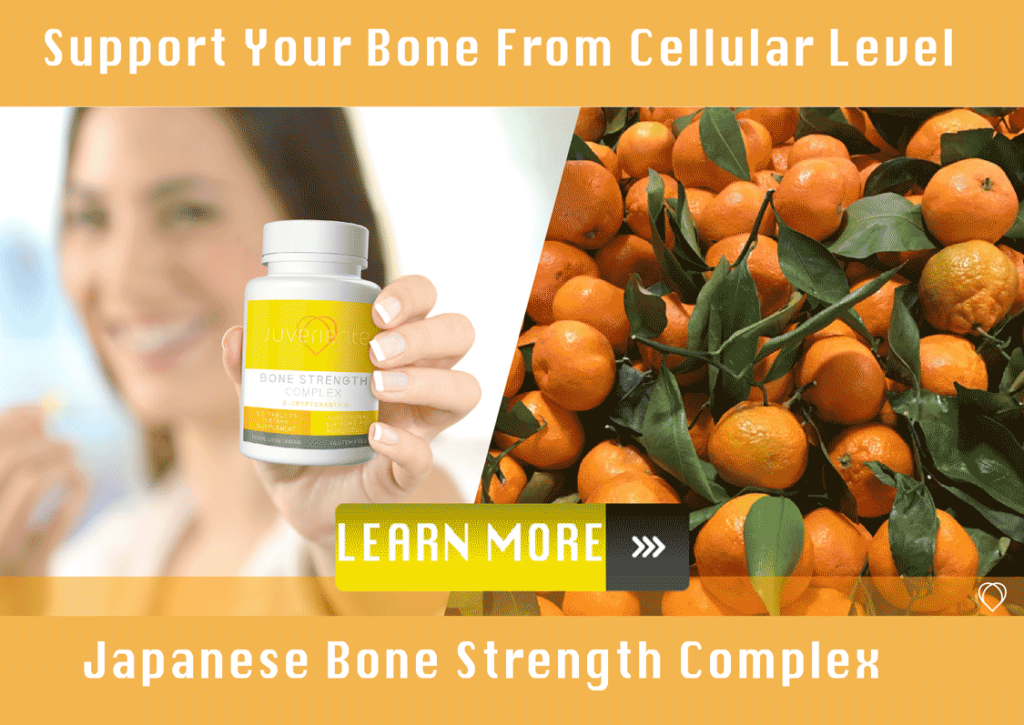
This nutrient is featured in Juveriente’s Bone Strength Complex, a supplement inspired by the Japanese diet. It combines mandarin extract powder rich in beta-cryptoxanthin with essential minerals that support bone health naturally.


In Summary

Building and maintaining bone strength after 50 requires more than just calcium. By paying attention to magnesium, vitamin D, vitamin K2, and beta-cryptoxanthin, you can support your body’s natural ability to preserve bone density and flexibility.

And with natural supplements like Juveriente Bone Strength Complex, which harness the wisdom of Japanese nutrition, you can take a simple, proactive step toward a stronger, healthier future.

Juveriente Bone Strength Complex: Natural Support Simplified

While a diverse diet is the foundation of bone health, it can be difficult to consistently get enough of all the essential nutrients—especially rare ones like beta-cryptoxanthin.

That’s why Juveriente Bone Strength Complex was developed. This supplement combines:

  • Satsuma Mandarin Extract, rich in beta-cryptoxanthin

  • Other natural nutrients that complement calcium and vitamin D

Rooted in Japanese dietary wisdom, it offers women over 50 a natural, convenient way to strengthen bones during menopause.

LEARN MORE BSC


Small Daily Movements for Long-Term Mobility: Why Gentle Exercise in Your 50s Matters

Aging well is less about extreme fitness routines and more about consistent, simple actions. Many people in their 80s say they wish they had moved more when they were younger. The truth is, you don’t need to run marathons to protect your mobility for the future. In your 50s and 60s, gentle daily movements—like walking uphill, stretching, or light strength training—can make a dramatic difference in how well you move decades later.

This article explores why small daily movements matter, how to integrate them into your lifestyle, and what benefits they bring for long-term health and independence.


Why Gentle Exercise in Midlife Matters

Preserving Muscle and Joint Function

After 50, muscle mass naturally declines, a process called sarcopenia. Even simple movements like climbing stairs or carrying groceries become harder if you let muscles weaken. Gentle strength-building exercises, such as squats or resistance band workouts, slow this decline. They also help joints stay flexible, making it easier to bend, twist, and walk without stiffness.

Supporting Bone Health

Bones also lose density with age, increasing the risk of fractures. Weight-bearing movements—such as walking uphill, gardening, or practicing yoga—stimulate bone strength. Combined with adequate nutrition, especially calcium and vitamin D, these habits lower the risk of osteoporosis and help maintain independence.


Small Daily Movements That Make a Big Impact

Walking with Purpose

Walking is one of the easiest forms of exercise. If you add small challenges, like taking a hilly route or increasing your pace, you strengthen your heart, muscles, and bones without straining your body. Walking also doubles as stress relief, especially when done outdoors.

Incorporating Mini-Exercises into Daily Life

Small routines—such as standing on one leg while brushing your teeth, doing calf raises while waiting for the kettle, or squatting to pick things up—add movement without needing a workout session. These micro-movements keep your body engaged throughout the day.

Flexibility and Balance Exercises

Simple stretches in the morning or before bed improve flexibility and circulation. Balance-focused exercises, like standing on one leg or practicing tai chi, lower your risk of falls as you age. Even a few minutes daily brings long-term benefits.


The Science Behind Consistency

Habit Is More Powerful Than Intensity

Research shows that consistent, moderate activity lowers the risk of chronic diseases more than occasional intense workouts. Gentle, daily effort creates cumulative benefits that protect your body in the long run. [Harvard Health]

Movement and Brain Health

Exercise doesn’t just benefit the body. Studies link physical activity with reduced risk of dementia and sharper memory in later life. Small daily movements increase blood circulation to the brain, keeping you mentally alert. [NIH]


Combining Movement with Nutrition

Fueling Your Body for Mobility

Muscles and bones respond better to exercise when supported with the right nutrients. Adequate protein helps repair and build muscles, while calcium, vitamin D, and magnesium support bone strength. Foods like fish, beans, leafy greens, and fermented soy products are excellent additions to a midlife diet.

Supplements as Gentle Support

Sometimes, diet alone doesn’t provide enough. For women after 50, natural support like Juveriente® Bone Strength Complex helps reinforce bone health with nutrients such as beta-cryptoxanthin from mandarins, calcium, and vitamin D. Gentle exercise plus thoughtful supplementation creates a strong foundation for mobility in later life.


Creating a Gentle Movement Routine That Sticks

Start Small, Stay Consistent

Instead of aiming for long workouts, begin with a five-minute stretch in the morning or a 15-minute walk after dinner. Once it becomes habit, you can gradually increase. Consistency is the key—small efforts every day outweigh big efforts done rarely.

Make It Enjoyable

Choose activities you enjoy, whether it’s gardening, walking your dog, or dancing to music at home. Fun movements are more sustainable, and joy itself contributes to better health.

Social Motivation

Exercising with friends or family makes it easier to stay committed. A walking group, yoga class, or even shared online accountability can help you stay motivated well into your later years.


Final Thoughts

Protecting your mobility in your 80s starts with gentle, intentional movements in your 50s and 60s. These small daily actions strengthen your body, sharpen your mind, and give you the confidence to enjoy life as you age.

You don’t need to overexert yourself—just commit to moving regularly. Pair those habits with good nutrition and, when needed, thoughtful supplementation. The effort you put in today ensures your future self will thank you tomorrow.

The natural bone strength complex made from Satsuma mandarin orange

Bone health is one of those things you want to take care of early if you want to age well.

Juveriente®’s Bone Strength Complex provides you the above all 3 essential nutrients for bone health along with a Japanese bone health support food extract. 

That main functional ingredient is simply an extract of a Japanese popular citrus fruit!! Needless to say, it is better to try a natural food before jumping to strong medicines. Though natural and gentle, it has garnered a lot of amazing reviews in Amazon since its launching in 2016.

If you like to try multi-vitamin supplement, how about adding the natural bone therapy fruit extract with Juveriente® Bone Strength Complex?

Please learn details in our product page.

LEARN MORE BSC


Natural Ways to Support Bone Health in Menopause

Introduction

Menopause is a natural stage of life, but it also brings changes that affect bone health. With the drop in estrogen levels, bone loss accelerates, making women more vulnerable to osteoporosis and fractures. According to the International Osteoporosis Foundation, nearly one in three women over 50 will experience an osteoporosis-related fracture.

While medications exist, many women prefer to explore natural strategies first. The good news? Nutrition, lifestyle, and cultural wisdom offer powerful, natural ways to support bone health in menopause.


Why Menopause Affects Bone Health

Estrogen plays a vital role in maintaining bone density by balancing bone formation and resorption. When estrogen levels decline, bone breakdown outpaces bone rebuilding. This leads to:

  • Decreased bone mineral density

  • Increased risk of fractures

  • Greater vulnerability in the spine, hips, and wrists

Taking action during and after menopause can help preserve strength and independence.


Eat a Bone-Strengthening Diet

Calcium: The Foundation

Calcium is the primary building block of bones. Women over 50 need around 1,200 mg daily.

Good sources:

  • Dairy products like yogurt, milk, and cheese

  • Leafy greens such as kale and bok choy

  • Sardines and salmon with bones

  • Fortified plant-based milks

Vitamin D: The Absorption Partner

Without vitamin D, calcium cannot be absorbed effectively. Aim for a mix of sun exposure, fatty fish, and fortified foods. Supplements may also help if you live in areas with limited sunlight.

Magnesium and Vitamin K

Magnesium helps regulate calcium placement, while vitamin K2 directs calcium into the bones instead of soft tissues. Together, they form a strong partnership for bone integrity.


Lifestyle Habits That Strengthen Bones

Weight-Bearing Exercise

Regular activity is one of the best natural ways to slow bone loss. Focus on:

  • Walking, jogging, or hiking

  • Strength training and resistance exercises

  • Yoga or Pilates for balance and flexibility

Sunlight and Vitamin D

Spending 10–20 minutes outdoors a few times per week can help maintain adequate vitamin D levels.

Sleep and Stress Management

Poor sleep and chronic stress elevate cortisol, a hormone that accelerates bone breakdown. Practicing relaxation techniques, mindfulness, or even gentle evening routines supports both bone and overall health.


Japanese Wisdom for Menopause and Bone Health

Soy Isoflavones

Soy-based foods such as tofu, miso, and natto contain isoflavones—plant compounds that mimic estrogen’s protective effects on bones. This may help explain why Japanese women historically experience fewer menopause-related symptoms.

Fermented Foods

Fermentation not only improves nutrient absorption but also enhances gut health, which indirectly supports mineral uptake. Foods like natto, miso, and pickled vegetables are staples of Japanese cuisine.

Beta-Cryptoxanthin from Mandarins

A lesser-known carotenoid, beta-cryptoxanthin, is found in Satsuma mandarins and papayas. Research shows it stimulates bone formation and slows bone breakdown, making it particularly promising for postmenopausal women.
(See National Library of Medicine for studies on beta-cryptoxanthin and bone health.)


Juveriente Bone Strength Complex: Natural Support Simplified

While a diverse diet is the foundation of bone health, it can be difficult to consistently get enough of all the essential nutrients—especially rare ones like beta-cryptoxanthin.

That’s why Juveriente Bone Strength Complex was developed. This supplement combines:

  • Satsuma Mandarin Extract, rich in beta-cryptoxanthin

  • Other natural nutrients that complement calcium and vitamin D

Rooted in Japanese dietary wisdom, it offers women over 50 a natural, convenient way to strengthen bones during menopause.

LEARN MORE BSC


Conclusion

Supporting bone health during menopause doesn’t have to mean relying only on medications. A holistic approach—rich in calcium, vitamin D, magnesium, vitamin K, and protein, combined with exercise, sunlight, and stress management—can help preserve bone strength naturally.

Adding cultural insights, such as soy isoflavones and beta-cryptoxanthin from Japanese foods, provides even greater support. For women seeking practical help, Juveriente Bone Strength Complex offers a natural path to maintaining bone density and resilience through the menopausal years and beyond.

Best Nutrients for Postmenopausal Bone Density: Natural Support for Stronger Bones

Introduction

For many women, menopause brings more than just hot flashes or sleep changes—it also marks a turning point for bone health. The drop in estrogen levels after menopause accelerates bone loss, increasing the risk of osteoporosis and fractures. In fact, according to the National Osteoporosis Foundation, one in two women over 50 will experience a bone fracture related to osteoporosis in her lifetime.

The good news? The right nutrients, paired with a balanced diet and lifestyle, can help maintain and even improve bone density after menopause. This article highlights the best nutrients for postmenopausal bone density, from the well-known essentials like calcium to the emerging star beta-cryptoxanthin.


Why Postmenopausal Women Lose Bone Density

Estrogen plays a vital role in maintaining bone remodeling balance—promoting bone formation while suppressing bone breakdown. When estrogen declines during menopause, bone resorption outpaces bone formation, leading to a gradual reduction in bone density.

This process doesn’t happen overnight, but it accelerates during the first 5–10 years after menopause, making proactive bone care crucial.


Calcium: The Foundation of Strong Bones

Calcium is the most abundant mineral in bones and the building block of bone structure. Postmenopausal women are recommended to consume about 1,200 mg of calcium per day.

Best Sources of Calcium

  • Dairy products like yogurt and cheese

  • Leafy greens (kale, collard greens)

  • Fortified plant-based milks

  • Sardines and salmon with bones

However, calcium alone is not enough—it needs other nutrients for proper absorption and utilization.


Vitamin D: The Calcium Absorption Partner

Vitamin D is essential for helping the body absorb calcium from the gut and transport it into bones. Without adequate vitamin D, even high calcium intake won’t translate into stronger bones.

How to Get Vitamin D

  • Sun exposure (10–15 minutes a few times a week)

  • Fatty fish (salmon, mackerel, sardines)

  • Fortified foods (cereals, milk alternatives)

  • Supplements when sun exposure is limited

The Endocrine Society recommends maintaining vitamin D levels above 30 ng/mL for optimal bone health.


Magnesium: The Supportive Mineral

Magnesium works in synergy with calcium and vitamin D. It helps regulate bone formation and influences how calcium is deposited in bone tissue.

Food Sources of Magnesium

  • Nuts and seeds (almonds, pumpkin seeds)

  • Whole grains

  • Spinach and other leafy greens

  • Beans and lentils


Vitamin K: Directing Calcium to Bones

Vitamin K2 is particularly important because it activates proteins that bind calcium into the bone matrix, preventing calcium from being deposited in arteries instead.

Foods to contain Vitamin K richly

  • Natto (fermented soybeans, a Japanese specialty)

  • Leafy greens

  • Cheese


Protein: The Structural Component

While calcium and minerals provide the hardness of bones, protein supplies the collagen framework that makes bones resilient. Adequate protein intake also helps maintain muscle mass, which reduces fall risk—a major cause of fractures in postmenopausal women.


Omega-3 Fatty Acids: Reducing Inflammation

Chronic inflammation contributes to bone loss. Omega-3s, found in fatty fish, flaxseeds, and walnuts, have been shown to reduce inflammatory processes that damage bone tissue.


Beta-Cryptoxanthin: An Emerging Nutrient for Bone Health

Among carotenoids, beta-cryptoxanthin is gaining attention for its unique role in bone metabolism. This carotenoid, found in Satsuma mandarins, papaya, and persimmons, not only acts as an antioxidant but also stimulates bone formation and reduces bone breakdown.

Why It Matters for Postmenopausal Women

Several studies suggest that women with higher intakes of beta-cryptoxanthin have stronger bones and a lower risk of fractures. Unlike some carotenoids, it directly influences bone cell activity, making it a promising nutrient for postmenopausal bone density support.


Juveriente Bone Strength Complex: A Natural Way to Support Bone Density

While a healthy diet is the foundation of bone health, reaching optimal nutrient intake every day can be difficult—especially for lesser-known nutrients like beta-cryptoxanthin.

That’s where Juveriente Bone Strength Complex comes in. This supplement combines:

  • Satsuma Mandarin Extract, a natural source of beta-cryptoxanthin

  • Other supportive nutrients for bone strength

Designed with inspiration from Japanese dietary habits, it helps women over 50 maintain bone density naturally, without relying solely on calcium or synthetic alternatives.

LEARN MORE BSC


Conclusion

Maintaining bone density after menopause requires a multi-nutrient approach. Calcium and vitamin D are the cornerstones, but other nutrients—magnesium, vitamin K, protein, omega-3s, and beta-cryptoxanthin—are just as vital for a comprehensive bone health strategy.

By combining a nutrient-rich diet with targeted support like Juveriente Bone Strength Complex, postmenopausal women can protect their bones, reduce fracture risk, and stay active and independent for years to come.

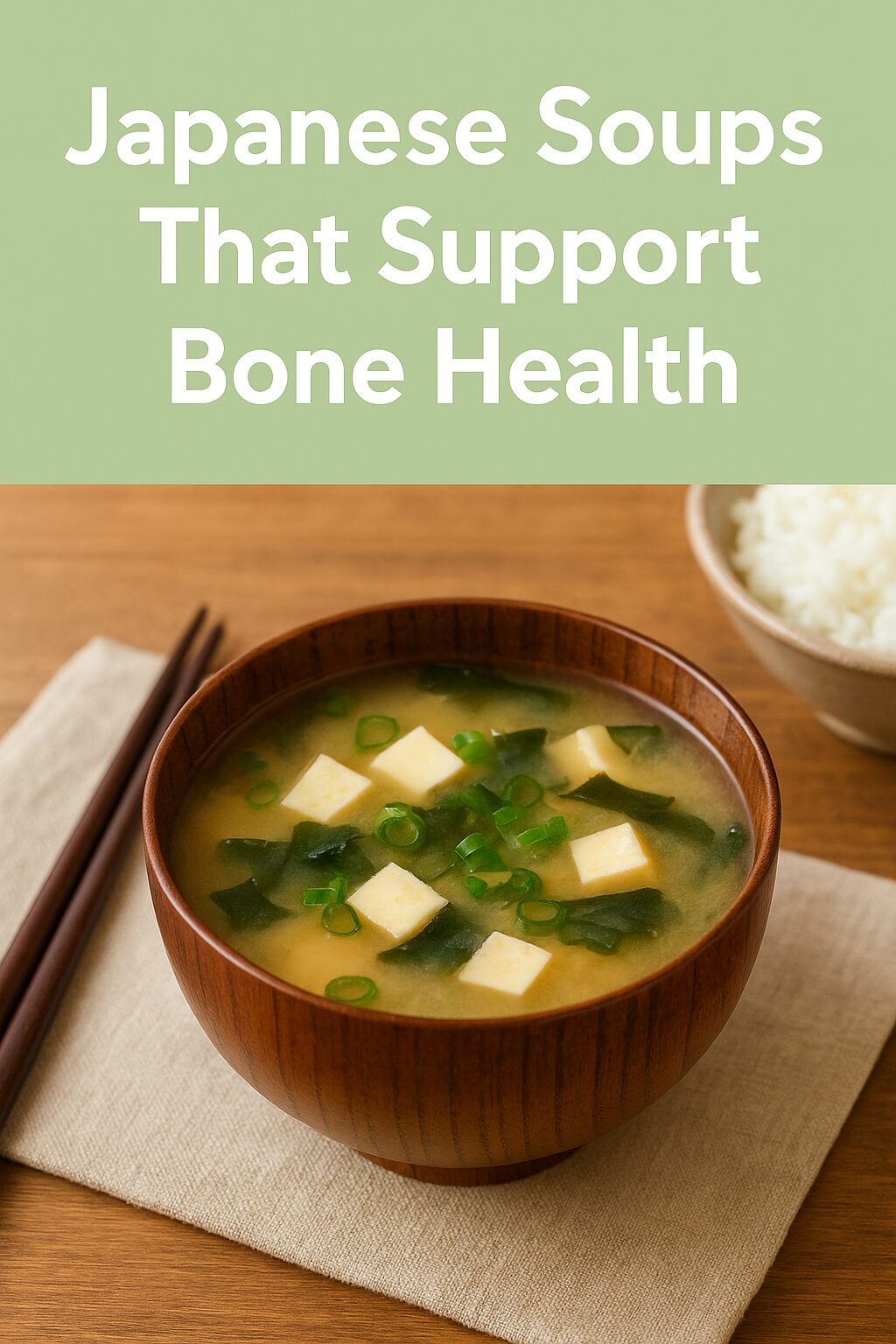
Japanese Soups That Support Bone Health

Bone health is a critical aspect of overall wellness, especially for women navigating menopause and aging. As estrogen levels decline, the risk of osteoporosis and fractures increases. While calcium supplements and medications are often recommended, nutrition plays a powerful role in strengthening bones naturally. Traditional Japanese soups, rich in minerals, collagen, and isoflavones, offer nourishing support for maintaining bone health.

This article explores Japanese soups that can boost bone health, inspired by centuries-old food traditions.


The Connection Between Japanese Diet and Bone Strength

Nutritional Foundations for Healthy Bones

Bones require calcium, vitamin D, magnesium, and protein to stay strong. A balanced diet with mineral-rich foods helps prevent bone density loss.

Why Japanese Soups Are Ideal

Japanese soups often combine seaweed, soy products, fish, and vegetables, creating a mineral-rich and easily digestible meal. Warm broths also enhance nutrient absorption and promote circulation, further benefiting bone health.

For an overview of nutrition and osteoporosis prevention, see the National Osteoporosis Foundation.


Miso Soup: Isoflavones and Minerals in Every Bowl

Soy and Isoflavones

Miso, a fermented soybean paste, is the base of Japan’s most iconic soup. Soy contains isoflavones, plant compounds that mimic estrogen and support bone density. Studies suggest regular soy consumption helps reduce bone loss in postmenopausal women.

Seaweed for Calcium and Magnesium

Miso soup traditionally includes seaweed such as wakame, which is high in calcium, magnesium, and iodine. These minerals are essential for maintaining bone strength and metabolic health.

Tofu as a Protein Boost

Adding tofu cubes to miso soup enhances its protein content, supporting muscle mass that helps protect bones.

Research from the National Institutes of Health highlights the role of soy isoflavones in improving bone mineral density.


Tonjiru (Pork and Vegetable Soup) for Collagen and Nutrients

Collagen from Pork

Tonjiru, or pork miso soup, incorporates thin slices of pork simmered in miso broth with vegetables. Pork provides collagen and protein, both of which are important for bone and joint health.

Root Vegetables for Extra Minerals

Daikon radish, carrots, and burdock root are often included, offering potassium, calcium, and fiber that support bone health.

Comfort and Warmth

This hearty soup not only nourishes bones but also provides warming comfort, making it a staple in colder months.


Fish-Based Soups: Calcium and Omega-3s

Nabe with Small Fish

Japanese hot pot soups (nabe) often feature small fish or fish bones simmered in broth. These provide calcium, phosphorus, and omega-3 fatty acids essential for bone and cardiovascular health.

Salmon Head Soup

A traditional preparation involves simmering salmon heads with miso or soy sauce, yielding a calcium-rich, collagen-boosting broth.

Benefits of Omega-3s

Omega-3 fatty acids reduce inflammation, which may help protect against bone loss and fractures.

For further details on fish and bone health, see Harvard T.H. Chan School of Public Health.


Vegetable-Rich Soups with Seaweed and Mushrooms

Seaweed: A Natural Calcium Source

Kombu and wakame are commonly used in Japanese broths, contributing calcium, magnesium, and trace minerals. These nutrients are vital for bone density.

Mushrooms for Vitamin D

Japanese soups often include shiitake mushrooms, which naturally contain vitamin D precursors. Vitamin D is essential for calcium absorption and bone strength.

Light and Digestible

Vegetable soups are easy to digest and low in calories, making them ideal for long-term bone health support.


Integrating Japanese Soups into Your Daily Routine

Easy Ways to Begin

  • Start your day with a simple miso soup.
  • Add tofu, seaweed, or mushrooms for variety and added nutrients.
  • Experiment with nabe-style hot pots featuring fish, pork, and vegetables.

Consistency Matters

Bone health is built over time. Regularly incorporating these soups into your diet provides consistent nourishment that supports stronger bones.

Complement with Lifestyle Choices

In addition to diet, exercise, sunlight exposure, and stress management are vital for maintaining strong bones.


Conclusion

Japanese soups are more than comfort food—they are nutrient-dense, bone-strengthening traditions. From soy-based miso soup to collagen-rich tonjiru and calcium-packed fish broths, these dishes provide natural support for bone health. By embracing Japanese soup culture, you can enjoy delicious meals while nourishing your bones for long-term vitality.

The natural bone strength complex made from Satsuma mandarin orange

Juveriente®’s Bone Strength Complex provides you the above all 3 essential nutrients for bone health along with a Japanese bone health support food extract. 

That main functional ingredient is simply an extract of a Japanese popular citrus fruit!! Needless to say, it is better to try a natural food before jumping to strong medicines. Though natural and gentle, it has garnered a lot of amazing reviews in Amazon since its launching in 2016.

If you like to try multi-vitamin supplement, how about adding the natural bone therapy fruit extract with Juveriente® Bone Strength Complex?

Please learn details in our product page.

LEARN MORE BSC


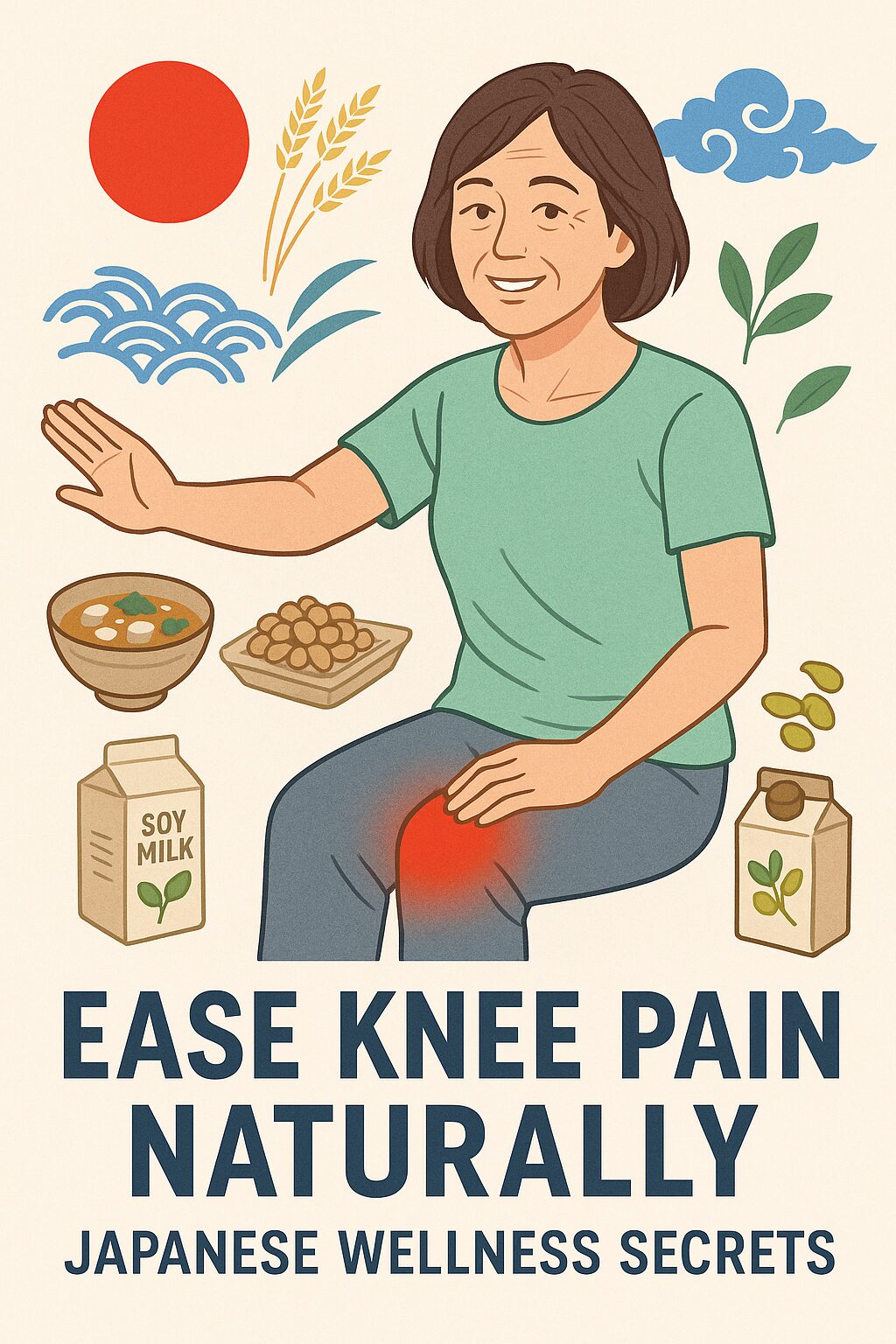
How to Ease Knee Pain Naturally After 50: Japanese Wellness Secrets for Stronger Joints

As women enter their 50s and beyond, knee pain often becomes an unwelcome companion. Aging joints, hormonal changes, and gradual weight gain can all contribute to joint discomfort—especially in the knees. While many resort to painkillers or invasive treatments, natural solutions rooted in Japanese wellness offer powerful, sustainable relief.

Let’s explore how you can ease knee pain naturally after 50 by understanding its causes, managing weight through improved metabolism, and adopting time-tested Japanese health strategies.

Understanding the Root Causes of Knee Pain After 50

Hormonal Shifts and Joint Degeneration

One of the lesser-known causes of knee pain in postmenopausal women is hormonal change. Estrogen plays a key role in maintaining joint flexibility and reducing inflammation. When estrogen levels drop, the body’s ability to preserve cartilage and joint lubrication declines, increasing stiffness and discomfort.

Weight Gain and Increased Stress on Knees

Hormonal decline also slows metabolism, often leading to weight gain—even when diet and activity levels remain the same. This extra weight puts significant pressure on the knees. In fact, for every pound of body weight, your knees experience roughly four pounds of pressure during activity.

Why Losing Excess Weight Matters for Knee Health

The Direct Link Between Weight and Knee Strain

Carrying extra weight exacerbates knee problems. A study by the Arthritis Foundation shows that losing just 10 pounds can relieve up to 40 pounds of pressure on the knees. For older women, this can mean the difference between pain-free movement and chronic discomfort.

How a Faster Metabolism Supports Joint Health

A sluggish metabolism not only contributes to weight gain but also slows down cellular repair, including joint tissue regeneration. Supporting your body’s metabolism is key to both weight control and long-term joint strength. Natural approaches that gently boost hormonal activity can make this process more effective.

Japanese Dietary Wisdom: Anti-Inflammatory and Low-Calorie Eating

Traditional Foods That Protect Your Joints

The traditional Japanese diet offers powerful anti-inflammatory benefits. Dishes often include fermented soy products such as miso and natto, which are rich in isoflavones—plant-based compounds that help mimic estrogen and reduce inflammation. They also contain nutrients that support bone and joint health.

Natural Weight Control Through Balanced Meals

Japanese meals typically emphasize balance: small portions, a variety of food groups, and minimal saturated fats or sugars. Vegetables, seaweed, tofu, and fish dominate the menu, naturally supporting metabolism and weight control. These habits reduce joint strain while delivering essential nutrients.

Why Japanese Women Suffer Less from Menopause-Related Joint Pain

It’s well-documented that Japanese women report fewer menopausal symptoms—including joint pain—than their Western counterparts. Diet is one major factor. Their regular intake of fermented soy not only balances hormones but also supports cardiovascular and bone health, contributing to healthier aging.

For more insights into the anti-inflammatory power of traditional diets, see this overview by Harvard Health.

Boosting Metabolism Naturally with Aglycone Isoflavones

The Science Behind Aglycone Isoflavones

Isoflavones exist in two primary forms: glycoside and aglycone. The aglycone form is more easily absorbed by the body and found in fermented soy foods. It has been shown to activate the body’s internal hormone regulation, especially for estrogen-like activity—which supports metabolism, bone health, and fat distribution.

How Effisoy® Supports Joint and Hormonal Health

Effisoy® is a natural supplement that delivers high-purity aglycone isoflavones derived from fermented soy. It helps restore the body’s hormone-regulating ability, which may have declined with age. By reactivating your own natural estrogen production pathways, Effisoy can support:

  • Improved metabolism

  • Natural weight control

  • Reduced joint inflammation

Unlike synthetic hormone therapy, Effisoy works in harmony with your body, offering a safer and more sustainable option for women over 50.

For scientific research on aglycone isoflavones and their health benefits, visit this study on PubMed.
Lifestyle Tips for Easing Knee Pain Without Medication

Gentle Exercises That Don’t Stress the Knees

Staying active is essential, but high-impact exercises can worsen joint issues. Fortunately, Japan offers simple and effective alternatives like radio taiso—a daily routine of light stretches and movements often performed in parks or at home.
This low-impact exercise helps maintain flexibility and circulation while gently strengthening muscles around the knees.

Other joint-friendly activities include:

  • Water aerobics or swimming

  • Walking on soft trails

  • Tai chi

  • Chair yoga

Long-Term Habits for Lasting Relief

Consistency is key. Even 15–20 minutes of movement daily can improve joint function over time. Combine regular gentle exercise with an anti-inflammatory diet and hormone-supportive supplementation, and you’re well on your way to sustained joint comfort and better overall well-being.


Final Thoughts

Knee pain after 50 doesn’t have to define your life. By understanding the hormonal and metabolic factors behind joint discomfort, and embracing natural approaches rooted in Japanese wellness—such as fermented soy, gentle exercise, and targeted supplements like Effisoy®—you can ease pain and regain control of your mobility.

Nature has given us tools to age with strength. Use them wisely, and your knees will thank you.

Take the benefit of fermented isoflavone of Miso through our supplement

The key ingredient in miso soup, which Japanese people consume daily, is miso (fermented soybean paste). It not only provides plant-based protein but also contains isoflavones that are broken down through fermentation. These isoflavones help regulate hormone balance and are known to offer various health benefits.

Juveriente®’s Effisoy, launched in 2016, based on fermented soy bean germ extract has been loved as a natural menopause relief since its launching in 2016. 

Its primary function is to boost the weakened synthesis of a hormone precursor, DHEA. It helps the precursor, DHEA. Rebalancing the precursor will eventually recover your hormones in line with your natural balance. It will help you refresh your various functions for your beauty. 

Here are some of the real product reviews in our Amazon shop.

“Restful sleep finally!!”, “I Am Now Free of Hot Flashes!!”, “Lifesaver”

LEARN MORE About Effisoy, made of fermented soy bean germ
The only supplement to contain fermented soy isoflavone beside Japan. 

Natural Ways to Prevent Osteoporosis with the Japanese Diet: The Hidden Power of Mandarin Oranges

Maintaining strong bones becomes increasingly important as we age. While calcium and vitamin D are well-known for supporting bone health, recent research reveals that certain lesser-known nutrients, like beta-cryptoxanthin, play a vital role too. This natural compound is especially abundant in mandarin oranges (known as mikan in Japan). Surprisingly, even in Japan, many people remain unaware of the bone health benefits of mikan. But cohort studies in Japan and research from U.S. universities have started to uncover its powerful effects. This article explores how the Japanese diet, combined with modern insights, offers natural ways to prevent osteoporosis.

Osteoporosis and Diet: Why Nutrition Matters as You Age

What Is Osteoporosis?

Osteoporosis is a condition where bones become brittle and fragile, increasing the risk of fractures. It affects millions of older adults, particularly postmenopausal women.

The Role of Nutrition

Nutrients like calcium, vitamin D, magnesium, and protein help build and maintain bone mass. Diets lacking in these nutrients may accelerate bone loss.

Lifestyle and Prevention

Regular weight-bearing exercise, avoiding smoking, and eating nutrient-rich foods are critical strategies for bone health.

Japanese Diet Principles That Support Strong Bones

Whole Foods, Minimal Processing

The traditional Japanese diet emphasizes fresh vegetables, fish, seaweed, tofu, and fermented foods. These ingredients are rich in minerals and generally low in inflammatory compounds.

Small Fish and Seaweed

Small fish like sardines and mackerel are eaten whole, including bones, providing bioavailable calcium. Seaweed such as kombu and wakame supplies iodine, magnesium, and other bone-supportive minerals.

Fermented Soy Products

Foods like miso and natto are packed with isoflavones, which help maintain hormonal balance and may support bone density.

The Surprising Bone-Boosting Power of Mandarin Oranges

What Is Beta-Cryptoxanthin?

Beta-cryptoxanthin is a carotenoid found in colorful fruits and vegetables, especially mikan. Unlike beta-carotene, it specifically supports bone-building processes.

How Mikan Supports Bone Health

Japanese researchers found that people who consumed more beta-cryptoxanthin had higher bone mineral density and lower rates of osteoporosis. Yet most Japanese people don’t realize this common fruit supports their bones.

A Natural Solution Hidden in Plain Sight

Mikan are widely consumed during winter in Japan, but their health benefits often go unrecognized. Their beta-cryptoxanthin content provides a gentle, food-based way to help protect aging bones.

What the Science Says: Beta-Cryptoxanthin and Bone Health

Japanese Cohort Studies

A study published in the Journal of Epidemiology followed over 600 elderly Japanese women and found that higher beta-cryptoxanthin intake significantly reduced the risk of osteoporosis. Read the study.

U.S. University Research

Research at the University of Connecticut confirmed that beta-cryptoxanthin promotes bone formation and inhibits bone resorption. Animal models showed stronger, denser bones when given this compound. See details here.

Anti-Inflammatory Effects

Beta-cryptoxanthin may also reduce inflammation, which contributes to bone loss. This makes it a dual-action nutrient—supporting bone structure and reducing risk factors.

Natural Supplementation: How Bone Strength Complex Supports Your Bone Health

Why Supplementation Helps

Even in Japan, people may not consume enough mikan daily to achieve therapeutic levels of beta-cryptoxanthin. Supplements help fill this gap without adding sugar or excess calories.

Juveriente’s Bone Strength Complex

Juveriente’s Bone Strength Complex uses a patented extract of Japanese mandarin orange, providing a concentrated source of beta-cryptoxanthin. Inspired by the Japanese diet, this supplement supports natural bone regeneration and hormonal balance.

Complementing a Healthy Lifestyle

This supplement works best when combined with a nutrient-rich diet and regular physical activity. It’s a safe, natural tool for women looking to support bone health without harsh medications.

How It Fits Your Routine

The capsule format is easy to integrate into your daily life. Whether you’re following a Japanese-inspired diet or a Western one, Bone Strength Complex enhances your bone support plan naturally.

Final Thoughts

The Japanese diet offers a powerful foundation for healthy aging. When paired with specific nutrients like beta-cryptoxanthin—found in humble mikan—it becomes an even more effective way to protect bone health. Thanks to emerging research from both Japan and the U.S., we now understand how this colorful fruit offers real benefits. Juveriente’s Bone Strength Complex captures this wisdom and delivers it in a convenient, natural form. Embrace nature’s solutions and take a simple, evidence-based step toward stronger bones.

The natural bone strength complex made from Satsuma mandarin orange

Juveriente®’s Bone Strength Complex provides you the above all 3 essential nutrients for bone health along with a Japanese bone health support food extract. 

That main functional ingredient is simply an extract of a Japanese popular citrus fruit!! Needless to say, it is better to try a natural food before jumping to strong medicines. Though natural and gentle, it has garnered a lot of amazing reviews in Amazon since its launching in 2016.

If you like to try multi-vitamin supplement, how about adding the natural bone therapy fruit extract with Juveriente® Bone Strength Complex?

Please learn details in our product page.

LEARN MORE BSC


How Japanese Women Maintain Strong Bones After Menopause: Natural Secrets from Traditional Diets

The Menopause-Bone Health Connection: Why It Matters

Bone density naturally declines after menopause due to reduced estrogen levels. For many women, this leads to osteoporosis or fractures later in life. Western medicine often turns to drugs like bisphosphonates, but long-term side effects such as digestive issues or jawbone problems make some women seek alternatives.

Japanese women experience fewer osteoporosis-related issues, despite having lower calcium intake than Westerners. Why? The answer lies in their traditional diet and lifestyle.

Traditional Japanese Foods That Support Bone Strength

Japanese meals center around nutrient-rich, minimally processed ingredients. Several of these foods play a crucial role in promoting bone health.

Regular Fish: Rich in Vitamin D and Omega-3s

Fish like salmon, mackerel, and sardines appear regularly in Japanese meals. These fatty fish provide vitamin D, which enhances calcium absorption, and omega-3 fatty acids, which reduce inflammation that can weaken bones. Grilled or simmered fish is a common dish in Japan, offering both taste and health.

Small Fish: Tiny Bones, Big Benefits

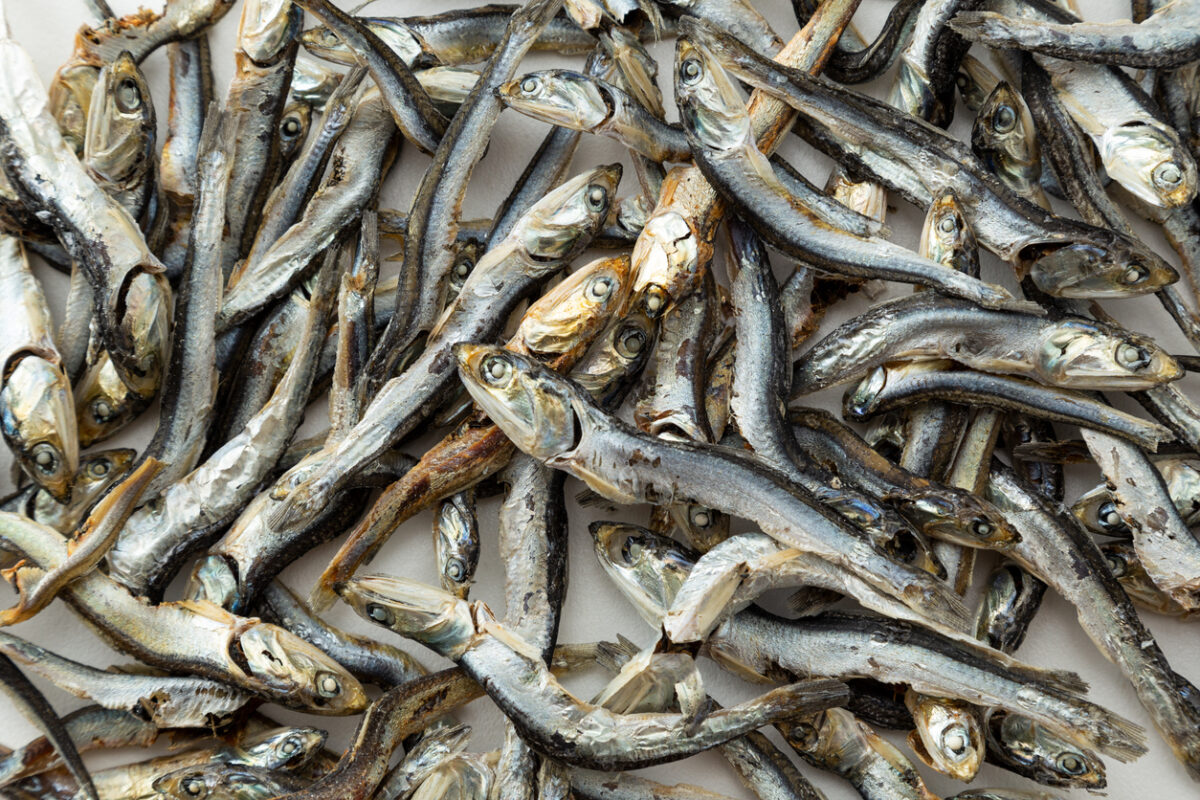
Small fish like shirasu (whitebait), niboshi (dried baby sardines), and chirimen jako (semi-dried anchovies) are often eaten whole—bones and all. These foods are calcium powerhouses, as eating the entire fish includes the bones.

For example, a tablespoon of chirimen jako can offer over 50 mg of calcium. Japanese people commonly sprinkle them over rice or mix them into salads.

In North America, small dried fish are available at Asian grocery stores or online through sites like Umami Insider or Amazon. Look for items labeled “shirasu,” “niboshi,” or “dried anchovies.”

Fermented Soy and Bone Health: The Power of Isoflavones

Soy is a cornerstone of Japanese cuisine. Fermented soy products like miso and natto offer unique bone-supporting benefits.

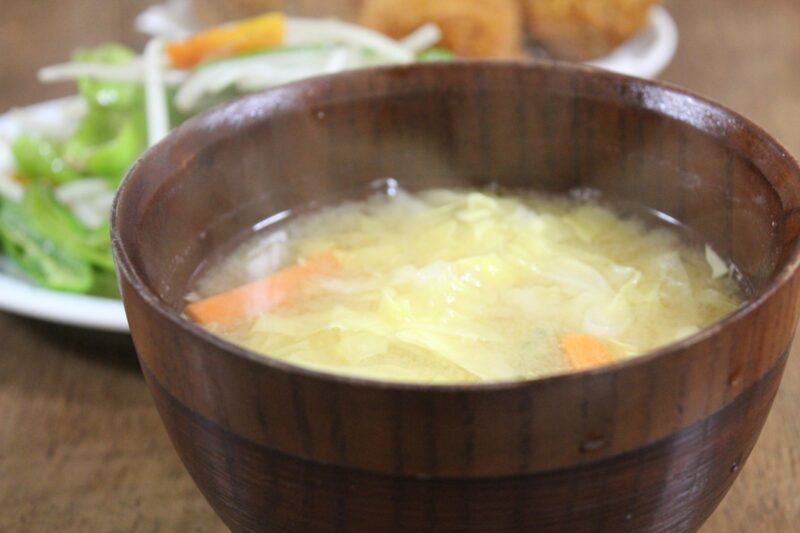
Miso Soup: Everyday Bone Support

Miso is rich in minerals and provides a mild source of phytoestrogens. These compounds mimic estrogen in the body, helping to maintain bone density. Miso soup, often eaten daily in Japan, is a gentle, warming way to support hormonal balance.

miso soup

Natto: Fermented Powerhouse

Natto, a sticky fermented soybean dish, contains vitamin K2, which plays a key role in calcium metabolism. It directs calcium to the bones and away from arteries, reducing fracture risk and supporting cardiovascular health.

You can find natto in the freezer section of many Asian supermarkets in the U.S., or purchase it online. Its taste and texture are unique, but many acquire a liking for it over time.

Lifestyle Habits in Japan That Promote Bone Resilience

Natural Movement and Weight-Bearing Activities

Japanese women often engage in daily walking, squatting, and floor-sitting—simple activities that naturally load the bones. Unlike sedentary Western lifestyles, these movements keep bones stimulated and strong.

Sunlight and Vitamin D Production

Getting moderate sunlight is part of life in Japan, especially among older adults who garden or walk outdoors. This exposure helps the body produce vitamin D, vital for bone health.

Heat Stroke

Low-Sodium, Balanced Diet

Japanese meals avoid heavy salt and sugar use. High sodium can lead to calcium loss in urine, weakening bones. Their diet includes sea vegetables like hijiki and wakame, which are rich in minerals.

How You Can Apply Japanese Wisdom to Your Diet

You don’t need to overhaul your entire eating pattern. Instead, adopt a few simple, sustainable habits inspired by Japanese culture.

  • Add a small serving of grilled fish to your weekly meals.
  • Try miso soup as a savory breakfast or light dinner.
  • Sprinkle dried small fish over salads or rice bowls.
  • Include fermented soy foods like miso or natto.
  • Spend time outside daily to boost vitamin D naturally.

If you seek additional support, consider natural supplements. For example, Juveriente® Bone Strength Complex contains a unique Japanese mandarin extract rich in beta-cryptoxanthin, a phytonutrient studied for its potential to support bone metabolism and reduce inflammation. Learn more about it here.

By blending these traditional Japanese elements into your lifestyle, you can protect your bones and overall vitality—naturally and gently.

The natural bone strength complex made from Satsuma mandarin orange

Juveriente®’s Bone Strength Complex provides you the above all 3 essential nutrients for bone health along with a Japanese bone health support food extract. 

That main functional ingredient is simply an extract of a Japanese popular citrus fruit!! Needless to say, it is better to try a natural food before jumping to strong medicines. Though natural and gentle, it has garnered a lot of amazing reviews in Amazon since its launching in 2016.

If you like to try multi-vitamin supplement, how about adding the natural bone therapy fruit extract with Juveriente® Bone Strength Complex?

Please learn details in our product page.

LEARN MORE BSC


0
0
Your Cart
Your cart is emptyReturn to Shop