The idea of a single “miracle food” has become a powerful trend in modern nutrition. From kale to quinoa to acai berries, the Western health industry often highlights one food as the ultimate solution to wellness. But is this approach truly effective, especially for women over 50? The reality is that no single ingredient can replace a balanced, varied diet. A Japanese-inspired perspective shows why diversity in food is the real key to sustainable health.
Superfoods are often marketed as nutrient-packed, disease-fighting, and even age-reversing.
Marketing vs. Reality
While foods like blueberries, chia seeds, and green tea are undeniably healthy, no single food contains everything your body needs. Relying on just one creates nutritional gaps.
The Allure of Quick Fixes
People often turn to superfoods hoping for easy answers. However, sustainable health requires daily balance, not sudden extremes.
Risks of the One-Food Solution
Depending heavily on a single “miracle” food can create more harm than good.
Nutrient Imbalance
Eating too much of one food may crowd out other essential nutrients. For example, focusing only on kale won’t provide enough protein or healthy fats.
Digestive Discomfort
Overconsumption of high-fiber foods like chia seeds or flax can cause bloating and digestive upset.
Unrealistic Expectations
When health improvements don’t appear as promised, disappointment can lead to abandoning healthy habits altogether.
At Juveriente, we believe in the same principle: no single solution can provide total wellness. Instead, balance and natural support are key.
Effisoy®: Supports the body’s hormone balance during menopause through fermented soy isoflavones, inspired by Japan’s lower rates of severe menopausal symptoms.
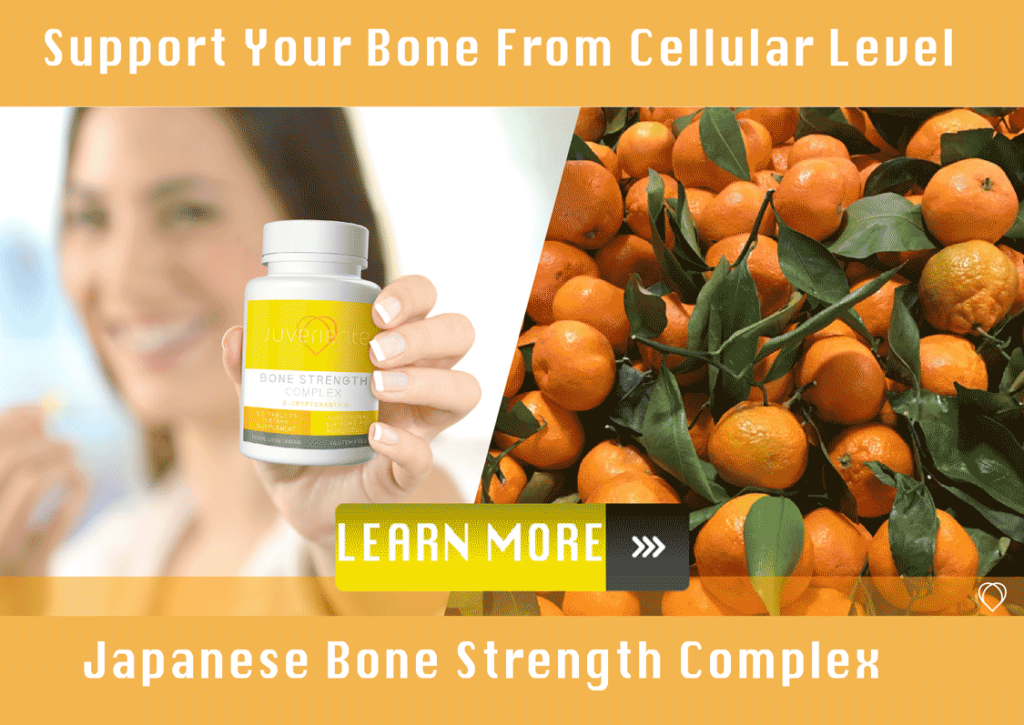
Bone Strength Complex: Combines nutrients such as beta-cryptoxanthin from mandarins with other supportive ingredients to promote bone density.
These supplements are not “miracle pills” but part of a holistic lifestyle that includes balanced meals and mindful living.
Final Thoughts
Why won’t one superfood solve everything? Because health is built on diversity, not extremes. For women over 50, especially, balanced nutrition supports long-term energy, bone strength, and hormonal well-being. By embracing the Japanese approach of variety and moderation—and complementing it with natural support from Juveriente—you can move beyond the hype and toward sustainable, joyful health.
Menopause is a natural transition in a woman’s life, but it often comes with disruptive symptoms like hot flashes, mood swings, insomnia, and heightened stress levels. While hormone replacement therapy (HRT) is an option, many women seek natural approaches for emotional balance and stress management. Japanese mindfulness practices, rooted in centuries-old traditions, offer calming techniques that support well-being during this transitional stage.
This article explores Japanese mindfulness practices that can help women navigate menopause with greater ease and resilience.
Stress intensifies menopause symptoms by disrupting hormonal balance. Elevated cortisol levels worsen hot flashes, insomnia, and anxiety. Mindfulness practices help regulate the nervous system, encouraging calm and reducing the severity of these symptoms.
Why Japanese Mindfulness Stands Out
Japanese culture places a strong emphasis on balance, simplicity, and presence. Practices such as tea ceremonies, forest bathing, and Zen meditation cultivate awareness and emotional stability, which directly benefit women experiencing menopause.
Shinrin-yoku (Forest Bathing) for Calm and Balance
What is Shinrin-yoku?
Shinrin-yoku, or “forest bathing,” is the practice of immersing oneself in nature. It is not about exercise but about slowing down, observing, and connecting with the natural world. Research shows that time spent in forests lowers cortisol levels and blood pressure while improving mood and sleep quality.
The Japanese Tea Ceremony: Mindful Ritual for Stress Relief
A Practice of Presence
The traditional Japanese tea ceremony, or chanoyu, is more than preparing tea—it’s a mindful ritual emphasizing presence, respect, and tranquility. Every movement, from whisking the matcha to arranging the tea utensils, cultivates focus and calm.
How It Helps During Menopause
Encourages mindfulness through ritual
Provides antioxidants from matcha, which support overall health
Offers a calming social activity that reduces feelings of isolation
Zazen, or seated meditation, is a cornerstone of Zen Buddhism. Practitioners sit in stillness, focusing on posture and breath. This discipline quiets the mind and strengthens emotional resilience.
Breathing for Hormonal Balance
Deep, slow breathing is proven to reduce hot flashes and anxiety. Techniques such as hara breathing (focusing energy in the abdomen) help stabilize emotions and induce relaxation.
Benefits for Menopausal Women
Reduces frequency and intensity of hot flashes
Improves mood stability
Supports restful sleep
For beginners, resources like Zen Studies Podcast (https://zenstudiespodcast.com/) provide accessible introductions to zazen and breathing techniques.
Wabi-sabi is the Japanese philosophy of appreciating imperfection and impermanence. For women in menopause, it offers a way to reframe this life stage as a natural and beautiful transformation rather than a decline.
Discovering Ikigai
Ikigai, or “reason for being,” is another Japanese concept encouraging individuals to find meaning and joy in daily life. It combines passion, skills, values, and contribution to others. Discovering one’s ikigai during menopause fosters emotional resilience and positivity.
Stress Relief Through Purpose
Both wabi-sabi and ikigai encourage acceptance and purposeful living, reducing stress while enhancing well-being.
Integrating Japanese Mindfulness into Daily Life
Small Steps Toward Balance
You don’t need to live in Japan to benefit from these traditions. Start with:
A daily walk in a park or natural setting
Preparing tea slowly and with intention
Setting aside 10 minutes for mindful breathing
Journaling about gratitude and impermanence
Building Consistency
Consistency is more important than duration. Even short, regular mindfulness practices can significantly ease menopause symptoms and stress.
Menopause brings challenges, but Japanese mindfulness practices provide gentle, natural tools for stress relief and emotional balance. By embracing forest bathing, tea ceremonies, Zen meditation, and philosophies like wabi-sabi and ikigai, women can navigate this life stage with grace, resilience, and renewed meaning.
Take Effisoy®, a natural supplement, to balance your hormone back.
If you are facing an age-related hormonal imbalance, rebalancing it will work with a balanced diet for your beauty, weight management, and daily wellness.
Juveriente®’s Effisoy, launched in 2016, based on fermented soy bean germ extract has been loved as a natural menopause relief since its launching in 2016.
Its primary function is to boost the weakened synthesis of a hormone precursor, DHEA. It helps the precursor, DHEA. Rebalancing the precursor will eventually recover your hormones in line with your natural balance. It will help recover the hormonal imbalance and help you address various issues in postmenopausal period.
Here are some of the real product reviews in our Amazon shop.
“Restful sleep finally!!”, “I Am Now Free of Hot Flashes!!”, “Lifesaver”
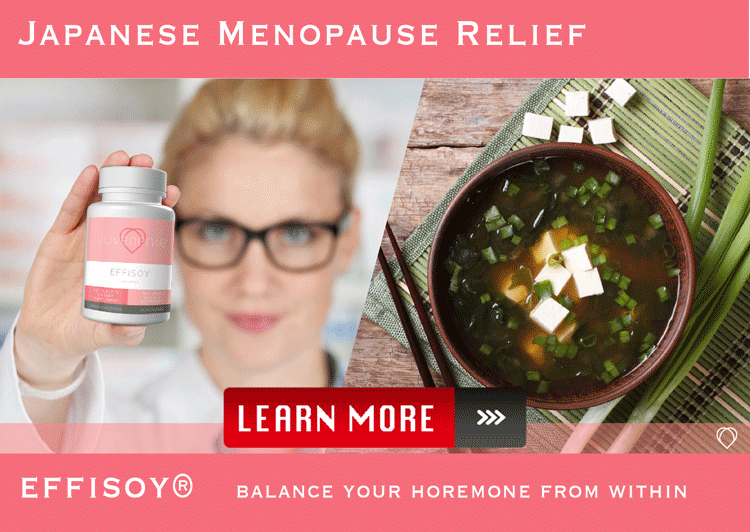
The only supplement to contain fermented soy isoflavone beside Japan.
Menopause brings many changes, and for women over 50, summer heat can feel especially overwhelming. Hot flashes, night sweats, and general heat sensitivity can make even a comfortable home feel like a sauna. But with the right strategies, you can create a cool, calming sanctuary without blasting the air conditioner all day.
In this article, we’ll share smart and natural ways to stay cool at home during menopause—drawing from both practical home tips and Japanese-inspired traditions of summer comfort.
Why Staying Cool Matters More During Menopause
Hormonal Changes Amplify Heat Sensitivity
During menopause, the body’s estrogen levels drop, which can disrupt the hypothalamus—the part of the brain that regulates temperature. This often results in hot flashes, excessive sweating, and increased heat intolerance.
For some women, even mild summer weather can trigger intense discomfort. That’s why adjusting your home environment can help you manage menopause symptoms and improve daily comfort.
Overcooling Can Be Harmful Too
While blasting air conditioning might seem like a solution, it can dry your skin, cause joint stiffness, and disturb natural sleep cycles. For many women over 50, the key is not just cooling the air—but cooling smartly and gently.
Smart Home Adjustments to Stay Cool Naturally
Improve Air Circulation
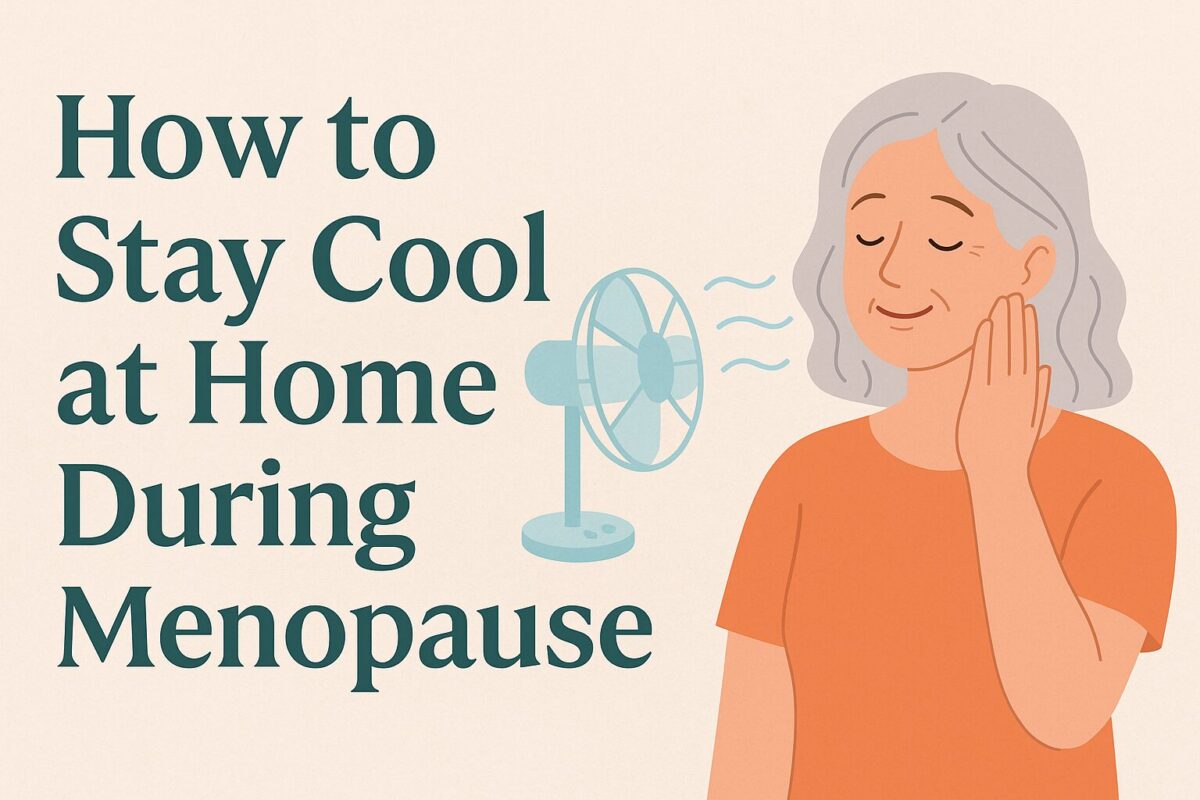
Instead of relying solely on air conditioning, focus on airflow. Use fans near windows to pull in cooler air during early mornings and evenings. Place box fans or tower fans across from each other to create cross-ventilation.
In Japan, homes are traditionally designed with natural airflow in mind. Even small tweaks like opening top and bottom windows can mimic this effect.
🧠 Tip: Try a ventilated room divider to allow airflow while creating cozy, shaded zones within a room.
Use Light-Filtering Curtains or Bamboo Blinds
Block the sun’s harsh rays without darkening your space. Sheer white curtains or traditional sudare (Japanese bamboo blinds) can dramatically reduce room temperature while maintaining natural light.
These materials allow air to pass through and reflect heat—offering a soft, breathable way to stay cool indoors.
Embrace Natural Cooling Fabrics
Swap out synthetic upholstery or bedding for natural materials like:
Linen and cotton for bedsheets and pajamas
Washi (Japanese paper) fans for gentle cooling
Tatami mats (or straw rugs) to cool your floors
Sleeping in breathable fabrics and using a lightweight blanket can reduce night sweats and help you rest better.
Create a Cool-Down Corner at Home
Designate a relaxing spot where you can retreat when a hot flash hits. Include:
A reclining chair with a soft cotton throw
A small electric fan or cooling pad
Aromatherapy diffuser with cooling scents like peppermint or lavender
A pitcher of cold barley tea or lemon-infused water
This “cool-down zone” doesn’t have to be large—just accessible and peaceful.
In Japanese summers, people often cool themselves using a cold towel wipe-down (冷水タオル) or facial mists with natural oils. These gentle rituals refresh the skin without the shock of a cold shower.
Try misting your face and neck with a homemade spray using:
Distilled water
A few drops of peppermint or chamomile essential oil
A spray bottle stored in the fridge
Use a Cooling Foot Bath
A quick 5-minute cool foot soak in the evening can lower body temperature before sleep. Add a few ice cubes and calming bath salts for a spa-like effect. This Japanese-inspired trick is known to promote circulation and better sleep.
Support Your Hormonal Balance for Long-Term Relief
Natural Supplements Can Help
While physical adjustments are essential, hormonal balance is at the root of summer discomfort for menopausal women. That’s why supporting your body’s natural estrogen production may reduce the severity of hot flashes and heat sensitivity.
Juveriente’s Effisoy® is a natural menopause supplement inspired by Japanese women’s health traditions. It features fermented soybean-derived isoflavones in their aglycone form, allowing for better absorption and greater impact on hormonal balance.
Many women report feeling more energetic, less irritable, and more comfortable even during summer months.
Fatigue worsens your tolerance for heat. A 15–20 minute afternoon nap in a shaded room can help your body recover without affecting your nighttime sleep.
Conclusion: Create a Personal Oasis of Cool
The heat of summer doesn’t have to mean constant discomfort—especially during menopause. With small, thoughtful changes to your home environment, daily habits, and internal balance, you can transform your home into a refreshing retreat.
Think beyond air conditioning. Draw from natural and Japanese-inspired wisdom. And consider supporting your body from within, so you can enjoy the season with comfort, grace, and energy.
Take the Benefit of Miso by a Supplement
Miso is one of the most typical examples of the Japanese healthy diet. If you want to experience the health benefits of miso dishes but find the unique taste of fermented foods challenging, a natural supplement might be the perfect solution. Juveriente® offers Effisoy®, a supplement that provides the key health benefits of miso through an extract of fermented soybean germ.
Effisoy® is the only supplement outside of Japan that uses ingredients derived from fermented soybeans, bringing the wellness advantages of miso to those who may not enjoy its traditional flavor. Since its launch in 2016, it has gained popularity as a natural menopause relief supplement, helping to balance hormones and improve overall well-being.
Effisoy® works by enhancing the body’s natural synthesis of DHEA, a hormone precursor. This safe and natural boost helps regulate hormonal balance, potentially improving skin health and reducing menopause symptoms. While it benefits both men and women, it has become particularly popular among women seeking relief from menopause-related issues.
Here are some of the real product reviews in our Amazon shop.
“Restful sleep finally!!”, “I Am Now Free of Hot Flashes!!”, “Lifesaver”
The only supplement to contain fermented soy isoflavone beside Japan.
The planet is heating up—and so are our bodies. Climate change is no longer a distant concern; it’s a daily reality. From record-breaking heatwaves to unseasonal storms, extreme weather is affecting our health in ways we never imagined. For women over 50, this shift poses unique challenges—especially when combined with menopause, age-related changes, and existing health concerns. Staying healthy today means learning to adapt not just to our changing bodies, but also to a rapidly changing world.
According to NASA, the Earth’s average surface temperature has risen by about 1.2°C since the late 19th century, mainly due to increased carbon dioxide and other emissions from human activity. Source: NASA Climate
This might sound small, but its effects are massive. Higher temperatures lead to more frequent and intense heatwaves, poor air quality, and disruptions to food systems. For older adults, these changes significantly increase the risks of heat-related illnesses and chronic health issues.
How Extreme Weather Affects Our Bodies
When the temperature rises, your heart works harder to keep your body cool. This can lead to dehydration, dizziness, fatigue, and even heatstroke. For women over 50—especially those managing menopause or other age-related conditions—this stress can be even more dangerous.
Menopause comes with natural declines in estrogen, which impacts your body’s ability to regulate temperature. Hot flashes become more intense in summer heat, and night sweats can lead to disrupted sleep and long-term fatigue.
Preexisting Conditions and Aging Organs
As we age, our body becomes less efficient at cooling itself. Add to that common concerns like high blood pressure, reduced bone density, or slower metabolism, and you have a body less able to respond to environmental stressors.
Mental and Emotional Strain
Climate anxiety is real—and it can impact older adults too. Rising temperatures and natural disasters can disrupt routines, limit mobility, and even contribute to depression and anxiety, especially among those living alone or with limited support.
Drinking water is essential, but so is eating foods like cucumber, watermelon, and leafy greens. These not only hydrate but also provide vitamins and minerals that support skin, bones, and cardiovascular function.
Dress for the Climate
Choose light, breathable fabrics like cotton or linen. A wide-brimmed hat and UV-protection sunglasses aren’t just fashion statements—they’re tools for health.
Rethink Exercise
Instead of midday walks or runs, aim for early mornings or after sunset. Indoor yoga, tai chi, or resistance band workouts can keep you moving safely.
Improve Your Indoor Environment
Use fans, air conditioning, or even simple methods like placing a bowl of ice in front of a fan. Keep blinds closed during peak sun hours to reduce indoor temperatures.
As the body’s internal balance becomes more vulnerable, supporting hormonal health becomes key. Natural solutions like fermented soy isoflavones can gently ease the effects of menopause while helping regulate temperature sensitivity and fatigue.
One such solution is Juveriente® Effisoy, a supplement based on traditional Japanese dietary wisdom. Its key ingredient—fermented soy isoflavones in aglycone form—supports your body’s ability to produce DHEA, a precursor to estrogen. This helps restore internal balance without synthetic hormones or harsh stimulants.
How Climate Change Affects Your Nutrition
Changes in Crop Quality and Availability
Rising CO₂ levels can reduce the nutrient density of staple crops like rice, wheat, and vegetables. This means even a “healthy” diet may be lacking key minerals like zinc and iron.
Choosing seasonal, locally grown produce ensures better freshness, nutrition, and lower carbon footprint. Bonus: seasonal foods are often cheaper and richer in flavor.
Building Resilience: Community, Nature, and Mindset
Connect with Others
Whether it’s a walking group, gardening club, or online wellness forum, social connection boosts resilience. Shared knowledge and support can also offer new coping strategies.
Embrace Nature—Safely
Morning walks in shaded parks, gardening at dusk, or even tending to indoor plants can reduce stress and increase your sense of wellbeing.
Stay Informed, Not Overwhelmed
Follow credible sources like the CDC’s Climate and Health Program to stay updated on weather alerts and health precautions. Awareness helps reduce fear and promotes action.
Final Thoughts: It’s Time to Adapt—Gracefully
For women over 50, adapting to climate change isn’t just about surviving the heat. It’s about thriving despite it—by tuning into your body, embracing natural solutions, and nurturing a healthy lifestyle that supports both physical and emotional well-being. Aging and climate change may be inevitable, but with the right knowledge and care, you can face both with resilience and grace.
Take Effisoy®, a natural supplement, to balance your hormone back.
If you are facing an age-related hormonal imbalance, rebalancing it will work with a balanced diet for your beauty, weight management, and daily wellness.
Juveriente®’s Effisoy, launched in 2016, based on fermented soy bean germ extract has been loved as a natural menopause relief since its launching in 2016.
Its primary function is to boost the weakened synthesis of a hormone precursor, DHEA. It helps the precursor, DHEA. Rebalancing the precursor will eventually recover your hormones in line with your natural balance. It will help recover the hormonal imbalance and help you address various issues in postmenopausal period.
Here are some of the real product reviews in our Amazon shop.
“Restful sleep finally!!”, “I Am Now Free of Hot Flashes!!”, “Lifesaver”
The only supplement to contain fermented soy isoflavone beside Japan.
As summer kicks in, many women expect relief from the cold-induced aches of winter. Yet, for countless women over 50, shoulder stiffness doesn’t go away—in fact, it may even feel worse. If you’ve been dealing with persistent shoulder tension despite the rising temperatures, you’re not alone. Summer brings its own set of challenges that can silently worsen muscle tightness, especially in the shoulders and neck.
In this article, we’ll explore why shoulder tension may persist or worsen in summer, especially among midlife and older women, and share natural remedies to help you feel better without relying on painkillers.
While air conditioning offers comfort during hot months, constant exposure to cool indoor air can tighten shoulder muscles. A blast of cold air on your neck or upper back can cause blood vessels to constrict, reducing blood flow and oxygen to your muscles—leading to stiffness and pain.
Many women report that they feel fine outdoors but quickly develop tight shoulders after hours spent inside air-conditioned spaces like offices or shopping malls.
Hormonal Shifts and Blood Circulation
For women over 50, declining estrogen levels can lead to poor circulation and increased muscle tension. During summer, this natural decline combines with cold air exposure and dehydration, creating a perfect storm for persistent tightness.
According to the Cleveland Clinic, hormonal changes during menopause often contribute to muscle aches and tension, especially in the shoulders and neck.
Summer Habits That Contribute to Stiffness
Less movement: Hot, humid weather can discourage physical activity, which worsens muscle stiffness.
Showering only: Many people avoid baths in summer, missing out on the benefits of warm soaks.
Poor posture during travel: Long trips, flights, or car rides during summer vacations often involve bad posture and immobility.
It might sound counterintuitive, but keeping your upper back and shoulders lightly covered indoors can help prevent tension. Use a shawl or light cardigan in air-conditioned rooms to maintain warmth and blood flow.
Japanese women have long practiced this form of “summer layering” to avoid cold-induced fatigue and tightness.
Gentle Daily Stretches
Incorporate shoulder rolls, neck stretches, and gentle arm swings every day, especially if you spend long hours at a desk or in one position.
Try this simple stretch routine:
Roll your shoulders backward and forward 10 times each.
Gently tilt your head from side to side.
Do arm circles and cross-body shoulder stretches.
A short daily routine can significantly increase flexibility and relieve chronic tension.
This video by the NHS offers a safe, senior-friendly stretching routine for shoulder and neck tension.
Hydration and Diet: Don’t Underestimate Their Power
Stay Hydrated
Dehydration is more common in summer and directly affects muscle function. Muscles require adequate fluid to contract and relax properly. Even mild dehydration can cause cramps, tension, and fatigue.
Aim for at least 8–10 glasses of water per day, and consider herbal teas or electrolyte-rich drinks when sweating heavily.
Eat for Blood Flow and Hormone Support
Certain foods promote better circulation and reduce inflammation:
Ginger and turmeric for anti-inflammatory effects
Soy-based foods like miso or tofu for natural isoflavones
Omega-3-rich fish (like salmon) for joint and muscle support
In Japan, these ingredients are staples of a summer-friendly anti-inflammatory diet.
Restore Hormonal Balance Naturally
For women in their 50s and beyond, persistent shoulder stiffness is often a signal of deeper internal imbalances, particularly related to hormones and blood flow.
Supporting your body’s ability to produce and respond to hormones can relieve tension from within. While hormone replacement therapy (HRT) may help some, others seek gentler, more natural alternatives.
Consider Plant-Based Isoflavones
Juveriente’s supplement Effisoy® is designed to support hormone balance by using fermented soy isoflavones in their aglycone form—the same compounds found in traditional Japanese diets. These naturally help the body revive its own hormone production, supporting better circulation, muscle function, and overall energy.
Effisoy is inspired by the fact that Japanese women traditionally report fewer menopause-related symptoms, including muscle stiffness.
Learn more about Effisoy:
juveriente.com
Menopause & Osteoporosis Solutions with Excellent Reviews | Juveriente®
100K subscribers doctor YouTuber recommends these natural menopause relief and osteoporosis relief from the Japanese diet.
Lifestyle Tweaks to Ease Shoulder Stiffness
Take Warm Baths (Even in Summer)
A warm bath improves circulation and relaxes stiff muscles far better than a quick shower. Even in hot weather, soaking in a tub for 15 minutes in the evening can help your shoulders loosen up.
Add epsom salts or a few drops of essential oils like lavender for extra relief.
Adjust Your Sleeping Position
Sleeping on your stomach or with inadequate pillow support can worsen shoulder tension. Try sleeping on your back or side with a proper neck-supporting pillow. Avoid overly cold bedroom temperatures.
Move Every Hour
Set a timer if needed, but get up and move or stretch every hour, especially if you’re working from home in a cool environment. Shoulder muscles get stiff quickly when immobile.
…it may indicate a more serious issue like frozen shoulder, nerve impingement, or rotator cuff problems. Don’t hesitate to consult a physical therapist or doctor.
Final Thoughts
Persistent shoulder tension in summer may be unexpected, but it’s surprisingly common—especially among women over 50. The good news is, natural remedies and small daily habits can make a big difference.
From staying warm indoors and stretching daily, to improving hydration and supporting your hormonal health, these gentle practices not only relieve shoulder pain but also boost your overall well-being.
Your body may be whispering for help—listen carefully, and respond with care.
Juveriente Effisoy: A Natural Solution for Hormonal Balance and Energy Restoration
Juveriente®’s Effisoy® offers a natural solution to combat age-related fatigue in summer by supporting hormonal balance. Launched in 2016, Effisoy® is based on fermented soybean germ extract, a traditional Japanese ingredient known for its potential to ease menopause symptoms and improve overall vitality.
Effisoy® works by boosting the body’s natural synthesis of DHEA, a hormone precursor crucial for maintaining balanced hormone levels. As we age, the body’s ability to produce DHEA declines, contributing to symptoms of fatigue and decreased energy. Effisoy® helps restore this balance by enhancing the body’s own hormone production processes. It supports hormonal balance safely, without introducing external hormones, allowing your body to regulate its hormone composition naturally.
This balance not only aids in reducing age-related fatigue but also promotes healthier skin and overall well-being. While Effisoy® benefits both men and women, it has become especially popular among women experiencing menopause, helping to alleviate symptoms like fatigue, mood swings, and skin aging.
By addressing the hormonal changes associated with aging, Juveriente®’s Effisoy® provides a natural and effective way to restore energy levels and combat age-related fatigue, helping you feel more vibrant and energized as you age.
Here are some of the real product reviews in our Amazon shop.
“Restful sleep finally!!”, “I Am Now Free of Hot Flashes!!”, “Lifesaver”
The only supplement to contain fermented soy isoflavone beside Japan.
Do your eyes feel more tired than they used to? Blurry vision, eye strain, and general eye discomfort are common complaints among women over 50 — and not just because of screen time. As our bodies change with age, so does our eye health. But the good news is that natural, nutrition-based, and lifestyle-friendly remedies can help reduce eye fatigue and restore clarity.
In this article, we’ll explore what causes eye fatigue in women over 50 and share natural, research-backed ways to relieve it — without relying on medications or expensive treatments.
Why Eye Fatigue Increases After 50
Hormonal Shifts Post-Menopause
One major reason eye fatigue becomes more noticeable after 50 is the shift in hormonal balance, especially the decline of estrogen. Estrogen plays a role in tear production and moisture regulation. Its drop after menopause can lead to dry eyes, which contributes heavily to eye strain and irritation.
Age-Related Muscle Weakness
The muscles around the eyes weaken naturally over time. Focusing on close objects becomes more difficult — a condition called presbyopia. This means your eyes have to work harder to focus, especially when reading or using digital screens.
Poor Circulation and Reduced Antioxidants
Blood flow to the eyes may diminish with age, reducing the delivery of oxygen and nutrients. This can result in more oxidative stress in ocular tissues, leading to fatigue and discomfort.
Difficulty focusing when switching between distances
If you experience these symptoms regularly, especially after reading, driving, or using a phone, your eyes might be asking for some extra support.
Natural Remedies to Reduce Eye Fatigue
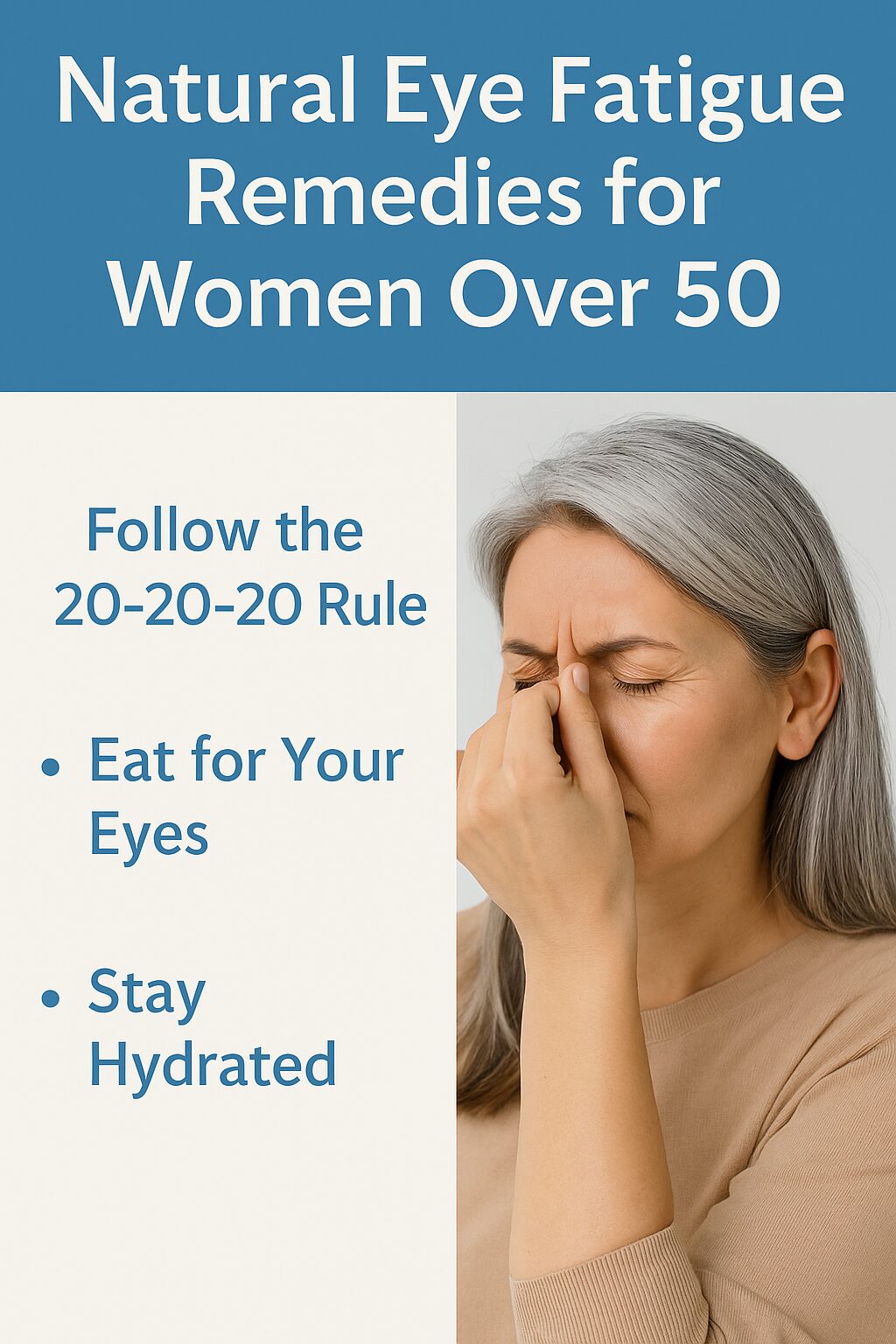
Follow the 20-20-20 Rule
Every 20 minutes, look at something 20 feet away for 20 seconds. This simple habit helps relax the eye muscles and prevents excessive strain.
Use Warm Compresses
Placing a warm, damp cloth over your eyes for 5–10 minutes can stimulate tear production and relieve dryness. It’s a gentle and comforting home remedy.
Practice Eye Yoga
Simple movements like rolling your eyes, focusing on near and far objects alternately, or closing them tightly for a few seconds can improve circulation and muscle tone.
Eat for Your Eyes: Best Nutrients for Women Over 50
What you eat significantly affects your vision and eye comfort. Here are the key nutrients you need:
Lutein and Zeaxanthin
These are powerful antioxidants found in green leafy vegetables such as spinach and kale. They protect the retina and filter harmful blue light.
Vitamin A
Essential for maintaining the health of the cornea and night vision. Good sources include sweet potatoes, carrots, and eggs.
Omega-3 Fatty Acids
Found in fatty fish like salmon and sardines, omega-3s reduce inflammation and support tear production. For plant-based options, try flaxseed or chia seeds.
Traditional Japanese diets, rich in fermented soy, sea vegetables, and fish, naturally support eye and hormonal health. One notable example is natto, a fermented soybean product high in vitamin K2 and natural isoflavones.
Inspired by this tradition, Juveriente’s Effisoy® uses fermented soybean extract to support hormonal balance after menopause. Its unique form of aglycone isoflavones helps stimulate the body’s ability to produce DHEA, a hormone that plays a role in hydration, resilience, and even eye moisture.
If your dry eyes are linked to hormonal aging, this natural support may help you feel more refreshed throughout the day — not just in your eyes, but across your body.
juveriente.com
Menopause & Osteoporosis Solutions with Excellent Reviews | Juveriente®
100K subscribers doctor YouTuber recommends these natural menopause relief and osteoporosis relief from the Japanese diet.
Lifestyle Changes That Make a Difference
Stay Hydrated
Dehydration often contributes to dry eyes. Drink plenty of water throughout the day, especially if you’re in dry or air-conditioned environments.
Get Enough Sleep
Lack of quality sleep can dry out your eyes and prevent proper healing and lubrication. Aim for 7–8 hours per night and avoid screens at least 30 minutes before bed.
Manage Screen Time Wisely
If you’re on your phone, tablet, or laptop for long hours, adjust brightness settings, use blue light filters, and blink more often. Keeping screens at arm’s length also helps reduce fatigue.
While natural remedies are helpful, you should visit an eye care professional if:
You notice sudden changes in vision
Eye fatigue doesn’t improve with rest
You experience eye pain, redness, or discharge
You haven’t had a full eye exam in over a year
Some eye conditions like glaucoma or cataracts can mimic fatigue in early stages. Regular checkups can help you catch problems early and avoid complications.
Pz-LinkCard
- Incorrect URL specification. - URL=
Support Your Whole Body, Not Just Your Eyes
Eye fatigue often reflects overall imbalances in health — from circulation to hormones to nutrition. That’s why a holistic approach is best. Gentle exercise, nutritious foods, and plant-based supplements all work together to protect your well-being.
For more insights into Japanese wellness and hormone balance, read these articles:
Menopause & Osteoporosis Solutions with Excellent Reviews | Juveriente®
100K subscribers doctor YouTuber recommends these natural menopause relief and osteoporosis relief from the Japanese diet.
Final Thoughts
Natural eye fatigue remedies for women over 50 don’t need to be complicated or expensive. Through small, intentional changes — from what you eat to how you rest — you can support your vision and reduce daily discomfort. By combining nutrition, Japanese wellness wisdom, and hormonal balance support, your eyes can feel refreshed and focused once again.
Let your eyes be a reflection of your vibrant health — at every age.
Juveriente Effisoy: A Natural Solution for Hormonal Balance and Energy Restoration
Juveriente®’s Effisoy® offers a natural solution to combat age-related fatigue by supporting hormonal balance. Launched in 2016, Effisoy® is based on fermented soybean germ extract, a traditional Japanese ingredient known for its potential to ease menopause symptoms and improve overall vitality.
Effisoy® works by boosting the body’s natural synthesis of DHEA, a hormone precursor crucial for maintaining balanced hormone levels. As we age, the body’s ability to produce DHEA declines, contributing to symptoms of fatigue and decreased energy. Effisoy® helps restore this balance by enhancing the body’s own hormone production processes. It supports hormonal balance safely, without introducing external hormones, allowing your body to regulate its hormone composition naturally.
This balance not only aids in reducing age-related fatigue but also promotes healthier skin and overall well-being. While Effisoy® benefits both men and women, it has become especially popular among women experiencing menopause, helping to alleviate symptoms like fatigue, mood swings, and skin aging.
By addressing the hormonal changes associated with aging, Juveriente®’s Effisoy® provides a natural and effective way to restore energy levels and combat age-related fatigue, helping you feel more vibrant and energized as you age.
Here are some of the real product reviews in our Amazon shop.
“Restful sleep finally!!”, “I Am Now Free of Hot Flashes!!”, “Lifesaver”
The only supplement to contain fermented soy isoflavone beside Japan.
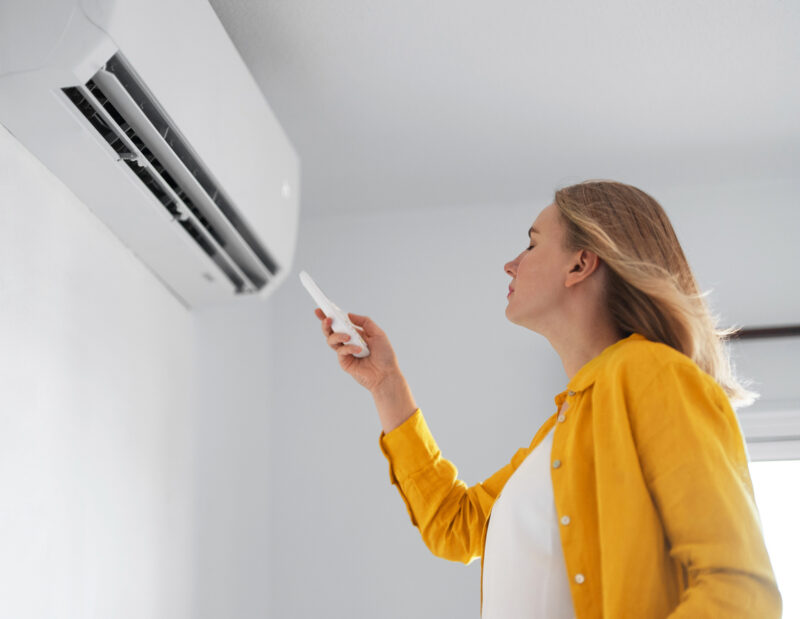
As summers grow hotter across North America, more households—even in traditionally cooler regions like the Pacific Northwest—have started relying on air conditioning. Cities like Seattle and San Francisco, where AC was once considered unnecessary, are now seeing a rapid rise in installations. While air conditioning provides relief from dangerous heat waves, especially for women over 50, excessive use can lead to fatigue, headaches, stiff joints, and even worsen menopausal symptoms.
If you’ve ever felt unusually cold, tired, or unwell after sitting in an air-conditioned room for hours, you’re not imagining things. For midlife and older women, especially during and after menopause, staying cool without compromising health requires a smarter, more balanced approach.
The Hidden Health Risks of Overusing Air Conditioning
Fatigue, Headaches, and Muscle Stiffness
Spending long hours in artificially cooled environments can slow down circulation and affect your body’s ability to regulate temperature. Many women report feeling sluggish or achy after being exposed to cold air for extended periods. These symptoms may be more intense in women over 50, due to slower metabolism and hormonal changes that affect vascular function.
Indoor Dehydration
Air conditioning can also dry out indoor air, leading to dehydration without you realizing it. This can cause dry skin, sinus irritation, and increased fatigue—problems that many older women are already more prone to.
Disrupted Body Temperature Regulation
Prolonged exposure to cold indoor temperatures may dull your body’s natural ability to adjust to outside heat, making it harder to tolerate outdoor conditions when you step out. In severe cases, this can increase the risk of heatstroke when transitioning from cold to hot environments too quickly.
During and after menopause, declining estrogen levels make it harder for the body to maintain stable internal temperatures. This can lead to hot flashes, but also increased sensitivity to cold—especially in the hands, feet, and joints.
Reduced Circulation and Muscle Mass
Aging naturally reduces muscle mass and slows circulation, both of which make it more difficult to stay warm when exposed to cool air. For women, who generally have lower muscle mass than men, this effect is more pronounced.
Cold-Related Symptoms Mimic Other Conditions
Many women mistake cold-related fatigue or joint stiffness for aging or chronic illness. In fact, simple changes to temperature control and lifestyle habits can significantly improve how you feel.
Cooling Without the Chill: Smarter Ways to Use AC
Set the Temperature Right
Instead of turning your AC to 68°F (20°C) or lower, aim for a more moderate 74–78°F (23–26°C). This keeps your space comfortable without causing your body to overcompensate for the cold.
Use a Fan to Distribute Cool Air
Fans can help circulate the air and reduce the need to lower the thermostat drastically. Ceiling or oscillating fans are especially effective in keeping the air moving without chilling one specific area of your body.
Take Cooling Breaks—Not Marathons
If possible, step outside into natural warmth for a few minutes every couple of hours. Your body benefits from mild heat exposure and sunlight, which can improve mood, vitamin D levels, and circulation.
Avoid Direct Airflow
Don’t sit directly in front of vents or place your bed near one. Constant cold air hitting the same area of your body—especially your back or feet—can cause localized stiffness and worsen joint pain.
Food and Drink Tips to Balance Your Body Temperature
Warm-Strengthening Foods
Incorporate foods that naturally support circulation and warmth. These include:
Ginger
Garlic
Cinnamon
Miso soup (a Japanese staple known to support inner warmth)
Whole grains like brown rice and oats
Avoid overconsumption of ice-cold drinks and raw foods, which may weaken digestion and circulation in older adults. Instead, enjoy room-temperature water with lemon or herbal teas like rooibos or chamomile.
Hydration Without Overcooling
You still need to hydrate properly in summer—but ice water isn’t the only option. Warm barley tea or cucumber-infused room-temperature water can help regulate body temperature without shocking your internal system.
Light Exercise and Natural Remedies for Better Circulation
Gentle Movement to Support Blood Flow
Even 10 minutes of light stretching, yoga, or indoor walking can help stimulate circulation and reduce the impact of cold air on your muscles and joints. Pay special attention to:
Shoulder rolls and neck stretches
Gentle squats or seated leg lifts
Ankle and wrist rotations
Pz-LinkCard
- Incorrect URL specification. - URL=
Try Traditional Japanese “Onka” Practices
The concept of “onka” (温活) in Japanese wellness refers to promoting internal warmth through daily habits. These include:
Taking warm baths (not hot) before bedtime
Wearing socks indoors, especially on tile or hardwood floors
Using a hot water bottle around the lower abdomen
Support Hormonal Balance Naturally
Many symptoms related to AC sensitivity—like cold hands and feet, fatigue, or joint discomfort—are linked to declining hormone levels. Natural supplements such as Juveriente® Effisoy®, inspired by traditional Japanese diets, support the body’s ability to balance estrogen and DHEA levels naturally. This can help restore your internal temperature control and overall energy.
Learn more about Effisoy® and its unique ingredient, fermented soy isoflavone aglycone, here: https://juveriente.com/effisoy/
Staying cool in today’s extreme summers is more important than ever—especially for women over 50, who are more vulnerable to heat-related illnesses. But relying too heavily on air conditioning can cause its own set of health challenges, particularly for those with sensitive circulation and hormone fluctuations.
By using air conditioning wisely, making supportive dietary choices, and incorporating natural movement and remedies, you can maintain both comfort and well-being all summer long.
Remember: balance is the key. Stay cool, but stay warm inside.
Juveriente Effisoy: A Natural Solution for Hormonal Balance and Energy Restoration
Juveriente®’s Effisoy® offers a natural solution to combat age-related fatigue in summer by supporting hormonal balance. Launched in 2016, Effisoy® is based on fermented soybean germ extract, a traditional Japanese ingredient known for its potential to ease menopause symptoms and improve overall vitality.
Effisoy® works by boosting the body’s natural synthesis of DHEA, a hormone precursor crucial for maintaining balanced hormone levels. As we age, the body’s ability to produce DHEA declines, contributing to symptoms of fatigue and decreased energy. Effisoy® helps restore this balance by enhancing the body’s own hormone production processes. It supports hormonal balance safely, without introducing external hormones, allowing your body to regulate its hormone composition naturally.
This balance not only aids in reducing age-related fatigue but also promotes healthier skin and overall well-being. While Effisoy® benefits both men and women, it has become especially popular among women experiencing menopause, helping to alleviate symptoms like fatigue, mood swings, and skin aging.
By addressing the hormonal changes associated with aging, Juveriente®’s Effisoy® provides a natural and effective way to restore energy levels and combat age-related fatigue, helping you feel more vibrant and energized as you age.
Here are some of the real product reviews in our Amazon shop.
“Restful sleep finally!!”, “I Am Now Free of Hot Flashes!!”, “Lifesaver”
The only supplement to contain fermented soy isoflavone beside Japan.
As we get older, staying active can feel more challenging—especially if long walks or high-impact exercises are no longer easy. But here’s the good news: you don’t need a gym or a strict fitness routine to move your body and feel better. Walking a little more each day, even in small ways, can boost your mood, energy, and overall health.
In this article, we’ll share gentle, realistic ways to add more steps to your day—without pushing yourself too hard. Whether you’re managing joint pain, fatigue, or a busy schedule, these tips can help you move more naturally and comfortably.
Make Movement a Natural Part of Your Routine
Take the Long Way Around
Instead of looking for the shortest path, try the longer route—walk to the farthest restroom, use the stairs when possible, or take a few extra loops around the grocery store. These little changes add up quickly.
Turn Waiting Time Into Walking Time
Waiting for the kettle to boil or the laundry to finish? Use those minutes to pace gently around the room or stretch your legs. You’d be surprised how many hidden walking moments are scattered throughout your day.
Use Housework to Your Advantage
Vacuuming, tidying, watering plants—these tasks involve more movement than you might think. Turn on your favorite music and make these chores part of your daily “walking time.”
How to Stay Active Even If You Can’t Walk Far
Break It Into Short Sessions
If walking for 30 minutes straight feels too much, try three 10-minute walks instead. Short sessions are easier to manage and just as effective for your health.
Try Indoor or Seated Walking
When the weather’s bad or energy is low, try gentle indoor walking—marching in place, walking down hallways, or even following seated walking videos like this one on YouTube designed for seniors.
Use Supportive Shoes and Gear
The right footwear can make all the difference. Look for cushioned walking shoes with arch support and a good grip. A walking cane or poles can also help maintain balance and reduce pressure on your joints.
Turn phone calls into mini walking sessions. Walk slowly around your home or garden while chatting with friends or family. You’ll stay connected and active at the same time.
Park Further Away on Purpose
When running errands, park a little farther from the entrance. Those extra steps may seem small, but they build a habit of movement.
Combine Walking with Light Stretching
Gentle stretches before or after your walk can help reduce stiffness and improve mobility. Try toe touches, shoulder rolls, or gentle hip circles for just a few minutes.
Eat to Support Your Walking Routine
Foods That Help Joint and Muscle Health
A diet rich in omega-3 fatty acids, vitamin D, and antioxidants can help reduce inflammation and support your joints. Think salmon, leafy greens, turmeric, and nuts. Bone health also benefits from calcium-rich foods like tofu, sardines, or fortified soy milk.
Simple Japanese-Inspired Meals for Energy
Japanese food culture offers many light, energizing options perfect for active aging. Try miso soup, brown rice with grilled fish, or natto over tofu. These meals are rich in nutrients but gentle on the digestive system.
Natural Options for Hormonal Support
For many women, hormonal changes after 50 can reduce energy and make it harder to stay active. Natural supplements like Juveriente’s Effisoy®—which uses fermented soy isoflavones in their aglycone form—can help revive the body’s own hormone production and restore energy naturally.
juveriente.com
Menopause & Osteoporosis Solutions with Excellent Reviews | Juveriente®
100K subscribers doctor YouTuber recommends these natural menopause relief and osteoporosis relief from the Japanese diet.
Set Small Goals and Enjoy the Progress
Use a Step Counter or Simple Journal
You don’t need a fancy smartwatch. A simple pedometer or notebook can help you track your daily steps and feel motivated by your progress.
Reward Yourself with Wellness Treats
Set small, achievable goals and reward yourself—perhaps with a soothing bath, a new book, or your favorite tea. Positive reinforcement helps make walking a long-term habit.
Walk with a Friend or in Nature
Social walking is not only motivating, but also fun. Invite a friend or join a local walking group. If possible, walk in nature—studies show that “green walking” improves mood and reduces stress. (Source)
You don’t need to hike mountains or hit 10,000 steps every day to enjoy the health benefits of walking. Just a few more steps here and there, combined with supportive foods and smart routines, can bring real improvements in your energy, mood, and well-being.
Start small, stay consistent, and be kind to your body. Every step counts—and they add up faster than you think.
Juveriente Effisoy: A Natural Solution for Hormonal Balance and Energy Restoration
Juveriente®’s Effisoy® offers a natural solution to combat age-related fatigue in summer by supporting hormonal balance. Launched in 2016, Effisoy® is based on fermented soybean germ extract, a traditional Japanese ingredient known for its potential to ease menopause symptoms and improve overall vitality.
Effisoy® works by boosting the body’s natural synthesis of DHEA, a hormone precursor crucial for maintaining balanced hormone levels. As we age, the body’s ability to produce DHEA declines, contributing to symptoms of fatigue and decreased energy. Effisoy® helps restore this balance by enhancing the body’s own hormone production processes. It supports hormonal balance safely, without introducing external hormones, allowing your body to regulate its hormone composition naturally.
This balance not only aids in reducing age-related fatigue but also promotes healthier skin and overall well-being. While Effisoy® benefits both men and women, it has become especially popular among women experiencing menopause, helping to alleviate symptoms like fatigue, mood swings, and skin aging.
By addressing the hormonal changes associated with aging, Juveriente®’s Effisoy® provides a natural and effective way to restore energy levels and combat age-related fatigue, helping you feel more vibrant and energized as you age.
Here are some of the real product reviews in our Amazon shop.
“Restful sleep finally!!”, “I Am Now Free of Hot Flashes!!”, “Lifesaver”
The only supplement to contain fermented soy isoflavone beside Japan.
As summer temperatures begin to rise, older adults face unique challenges when it comes to heat. Even a brief exposure to hot weather can lead to heat exhaustion—and unlike younger people, many older adults don’t bounce back quickly. In fact, fatigue, dizziness, and poor sleep can linger for days.
Understanding how aging bodies respond to heat—and how to recover naturally—is key to staying healthy throughout the hot season. Let’s explore how to identify heat exhaustion early, speed up recovery, and support your body with the right foods, habits, and supplements.
Why Heat Exhaustion Hits Older Adults Harder
Age-related changes in the body
As we age, our bodies lose some of their ability to regulate internal temperature. The sweat glands become less efficient, and blood circulation slows, making it harder to cool down. In addition, older adults are more likely to have underlying health conditions or take medications that impair the body’s response to heat.
The role of hormonal decline
Another important factor is the natural decline in hormone production, including DHEA and estrogen. These hormones are involved in maintaining energy balance and regulating the nervous system. When levels drop, the body becomes more sensitive to external stressors—like heat—and recovers more slowly.
Recognizing early symptoms of heat exhaustion can help prevent it from progressing to a more serious condition, such as heat stroke.
What to watch for
Profuse sweating followed by clammy skin
Dizziness or lightheadedness
Fatigue that lingers for several days
Weak pulse or low blood pressure
Muscle cramps
Headache or nausea
Difficulty sleeping after heat exposure
When to seek medical help
If symptoms include confusion, high fever, or fainting, seek immediate medical attention. These may be signs of heat stroke, which is a medical emergency.
Recovering from heat exhaustion involves more than just resting. A few targeted strategies can help restore balance to your body and prevent complications.
Hydrate with electrolytes
Plain water is important, but when you sweat a lot, you lose essential electrolytes like sodium, potassium, and magnesium. Drink coconut water, electrolyte solutions, or even a pinch of salt in lemon water to replenish them. This Mayo Clinic article offers more insights on hydration for heat exhaustion.
Cool down your core
Take a lukewarm shower or use a damp towel on the back of your neck and underarms to bring your core temperature down slowly. Avoid ice-cold water, which can constrict blood vessels and slow the cooling process.
Rest, but don’t stay in bed all day
Too much bed rest can actually slow your recovery. Try gentle stretching, walking indoors, or breathing exercises to keep your circulation active.
Choose water-rich foods like watermelon, cucumber, strawberries, and leafy greens. These help keep you hydrated while providing antioxidants and vitamins that support recovery.
Avoid heavy, oily meals
During recovery, your body is already under stress. Avoid fatty meats, fried foods, and processed snacks that can increase inflammation and make digestion sluggish.
Consider natural supplements
Certain nutrients can support your body during recovery, especially for older adults dealing with heat-induced fatigue. Some helpful supplements include:
Magnesium – for muscle function and electrolyte balance
Potassium – to restore what’s lost through sweat
CoQ10 – supports cellular energy production
Aglycone Isoflavones – found in fermented soy, these can support hormonal balance and reduce heat sensitivity in women
Effisoy®, a supplement from Juveriente, is rich in aglycone isoflavones and was inspired by the milder menopausal symptoms seen in Japanese women. By supporting the body’s ability to produce DHEA naturally, it helps middle-aged women maintain resilience—even in hot, humid weather. Learn more about Effisoy here.
How Juveriente Supports Natural Recovery and Resilience
At Juveriente, we believe that the body has a natural ability to heal and adapt—especially when supported with the right nutrition and lifestyle habits.
A holistic approach to summer health
Rather than masking symptoms, Juveriente products aim to support the root causes of discomfort. For older adults struggling with slow heat exhaustion recovery, this means:
Supporting hormone balance (especially for women in menopause)
Boosting circulation naturally
Reinforcing energy levels through traditional Japanese ingredients
Inspired by Japanese wellness traditions
Japanese culture has long emphasized seasonal adaptation—eating light, hydrating meals in summer, practicing mindful rest, and using fermented foods to maintain gut and hormone health. Juveriente incorporates these principles into its products, offering a natural path to better summer resilience.
If you feel “off” for days after being in the heat, don’t dismiss it as simple tiredness. Heat exhaustion can take a toll on your energy, mood, and overall function—especially if you’re over 50. Recognize the signs, hydrate smartly, eat well, and consider natural support like Effisoy to bounce back faster and enjoy summer with confidence.
Shoulder pain affects millions of people, especially women over 50. While massages and painkillers offer temporary relief, they often fail to address the root causes. One powerful, long-term solution lies in your kitchen. By focusing on circulation-boosting foods and traditional Japanese dietary wisdom, you can reduce shoulder stiffness naturally and sustainably.
Why Shoulder Pain Happens — And How Blood Flow Plays a Role
Common Causes of Shoulder Pain
Poor posture, stress, and aging muscles are all common triggers. However, for women over 50, hormonal changes during menopause also play a key role. As estrogen levels drop, circulation tends to decline, leading to muscle tension and stiffness in areas like the shoulders and neck.
The Role of Blood Flow in Muscle Health
Healthy blood circulation brings oxygen and nutrients to your muscles and removes waste. When blood flow slows, muscles tighten and recover more slowly from daily stress. That’s why enhancing circulation through food and lifestyle is essential for shoulder pain relief.
Your diet can be your first line of defense against muscle stiffness. Certain nutrients help relax muscles, reduce inflammation, and support hormonal balance.
Magnesium
Magnesium helps muscles relax and supports healthy nerve function. A deficiency may lead to cramping and tightness.
Omega-3s reduce inflammation in joints and muscles. They’re especially helpful for people with chronic pain.
Sources:
Mackerel
Salmon
Sardines
Chia seeds
Vitamin E
This antioxidant improves blood vessel flexibility and supports circulation. It also helps reduce oxidative stress in muscle tissue.
Sources:
Almonds
Sunflower seeds
Spinach
Isoflavones (Soy Compounds)
Isoflavones mimic estrogen in the body, helping restore hormonal balance during and after menopause. This can indirectly improve blood flow and muscle tension.
Traditional Japanese Foods That Support Muscle Relaxation and Circulation
Traditional Japanese cuisine naturally includes many of the nutrients listed above. Its emphasis on plant-based ingredients, fermented foods, and healthy fats makes it an excellent model for shoulder pain relief.
Miso: Fermented Soy for Hormonal and Digestive Health
Miso, made from fermented soybeans, contains isoflavones and beneficial probiotics. The fermentation process enhances nutrient absorption, supports gut health, and may help balance hormones — all of which contribute to reduced inflammation and muscle tension.
Try adding a small bowl of miso soup to your meals. It’s a simple, comforting way to support your body from within.
Natto: A Superfood for Circulation
Natto is a powerful fermented food rich in vitamin K2, which supports both bone and blood vessel health. It also contains nattokinase, an enzyme shown to help prevent blood clotting and support smooth circulation.
While natto’s strong flavor may be challenging for some, it’s worth exploring for its unique health benefits.
Japanese meals often include grilled fish like salmon or mackerel, both rich in omega-3 fatty acids. These fats reduce inflammation, enhance blood flow, and protect muscles and joints. Aim to include fatty fish at least twice a week for maximum benefit.
Seaweed: A Mineral-Rich Circulation Booster
Seaweed (wakame, kombu, nori) is high in magnesium, iodine, and other trace minerals that support nerve and muscle function. It also has natural anti-inflammatory properties.
Add it to miso soup, salads, or enjoy it as a side dish for a simple way to increase your nutrient intake.
Natural Supplement Support — When Diet Alone Isn’t Enough
Even with the best diet, it’s not always easy to get all the nutrients your body needs — especially during hormonal transitions. In such cases, natural supplements can fill the gap and support your body’s healing mechanisms.
Juveriente Effisoy®: Natural Support for Hormonal Balance
Effisoy is a Japanese menopause supplement that features aglycone isoflavones derived from fermented soy. These isoflavones are easier for the body to absorb and may help restore your body’s natural ability to produce DHEA, a precursor to estrogen. By supporting hormonal balance, Effisoy contributes to improved blood flow, reduced muscle tension, and better energy levels overall.
This is especially valuable for women experiencing shoulder stiffness as part of menopause-related symptoms.
The only supplement to contain fermented soy isoflavone beside Japan.
Juveriente Bone Strength Complex: Circulation and Bone Health
This supplement contains extract powder from Japanese mandarin oranges, rich in β-Cryptoxanthin, a carotenoid shown to support both bone health and circulation. Combined with essential minerals like calcium and vitamin D, it supports the vascular system that supplies your joints and muscles.
Together, these products align with the philosophy of Japanese wellness: supporting the body’s internal balance through natural, plant-based ingredients.
Conclusion — Combine Tradition with Natural Support
Shoulder pain isn’t something you have to simply live with. Instead of masking it with temporary solutions, consider building long-term habits that enhance blood flow, reduce inflammation, and support your body’s natural functions.
Start with your plate. Traditional Japanese foods like miso, natto, grilled fish, and seaweed provide powerful nutrients that work with your body to ease muscle tension. And when needed, add targeted support like Juveriente’s natural supplements to strengthen your efforts.
Your body thrives when you treat it gently yet wisely — and that includes how you eat. A few simple dietary changes can make a world of difference for your shoulders, and your overall health.