Blog

Natural Ways to Support Bone Health in Menopause

Introduction

Menopause is a natural stage of life, but the hormonal changes that come with it can have important effects on bone health. As estrogen levels decline, the balance between breaking down old bone and building new bone can shift, making it easier to lose bone over time.

But supporting your bones during and after menopause is about more than calcium—or even bone density alone. Nutrition, muscle strength, regular movement, and everyday lifestyle habits all work together to help you stay active and independent as you age.

Traditional Japanese foods also offer an interesting perspective. Soy foods, fermented foods, and nutrients found naturally in foods such as Satsuma mandarins have long been part of the Japanese diet and are increasingly being studied for their potential roles in healthy aging.

In this article, we’ll look at the bigger picture of bone health during menopause—from hormonal changes and nutrition to exercise, muscle, and Japanese dietary wisdom—and explore practical ways to support your body for the years ahead.


Why Menopause Affects Bone Health

Estrogen plays an important role in maintaining healthy bones. Throughout life, bone is constantly being renewed through a process called bone remodeling: older bone tissue is broken down by cells called osteoclasts, while new bone is formed by cells called osteoblasts.

Before menopause, estrogen helps keep these two processes in balance. As estrogen levels decline during the menopausal transition, bone breakdown can begin to outpace bone formation. This is one reason women can experience more rapid bone loss during and after menopause.

This change does not mean that weaker bones are inevitable. It does mean, however, that midlife is an important time to pay closer attention to the factors we can influence—including nutrition, physical activity, muscle strength, and other everyday habits.

And because healthy bones depend on many nutrients working together, calcium is only one part of the picture.


Eat a Bone-Strengthening Diet

Calcium is essential for bone health, but bones are living tissue and need more than a single nutrient to stay strong. Protein, vitamin D, magnesium, vitamin K, and other nutrients all play different roles in maintaining bone structure and supporting the continuous process of bone remodeling.

That is why a varied, nutrient-rich diet matters more than simply focusing on calcium alone.

Calcium: The Foundation

Calcium is the primary building block of bones. Women over 50 need around 1,200 mg daily.

Good sources:

  • Dairy products like yogurt, milk, and cheese

  • Leafy greens such as kale and bok choy

  • Sardines and salmon with bones

  • Fortified plant-based milks

Vitamin D: The Absorption Partner

Without vitamin D, calcium cannot be absorbed effectively. Aim for a mix of sun exposure, fatty fish, and fortified foods. Supplements may also help if you live in areas with limited sunlight.

Magnesium and Vitamin K

Magnesium helps regulate calcium placement, while vitamin K2 directs calcium into the bones instead of soft tissues. Together, they form a strong partnership for bone integrity.


Lifestyle Habits That Strengthen Bones

Weight-Bearing Exercise

Regular activity is one of the best natural ways to slow bone loss. Focus on:

  • Walking, jogging, or hiking

  • Strength training and resistance exercises

  • Yoga or Pilates for balance and flexibility

Sunlight and Vitamin D

Spending 10–20 minutes outdoors a few times per week can help maintain adequate vitamin D levels.

Muscle Strength Matters, Too

Bones do not work alone. The muscles surrounding them help support movement, balance, and stability—and stronger muscles can also place healthy mechanical stress on bones, encouraging them to maintain strength.

This becomes especially important during and after menopause, when changes in estrogen can affect both bone and muscle. Maintaining muscle through resistance training and regular physical activity can therefore support more than strength alone. It can help protect mobility, reduce the risk of falls, and make it easier to stay active and independent as you age.

Bone health and muscle health are closely connected, which is why both deserve attention in midlife and beyond.

Sleep and Stress Management

Good sleep and stress management are also part of healthy aging. Chronic stress can affect hormones and everyday behaviors that influence overall health, while poor sleep may make it harder to stay active, exercise regularly, and maintain healthy eating habits.

Rather than thinking about bone health in isolation, it helps to see it as part of a larger picture: staying active, sleeping well, eating a balanced diet, and maintaining physical strength all work together to support health and independence as we age.


Japanese Wisdom for Menopause and Bone Health

Japan offers an interesting perspective on healthy aging. Traditional Japanese diets include a wide variety of plant foods, fish, soy products, fermented foods, and seasonal fruits—rather than relying on any single “superfood” or nutrient.

For women during and after menopause, several components of this dietary tradition are particularly interesting. Soy isoflavones have been studied in relation to menopausal health, fermented foods such as miso and natto provide nutrients in distinctive forms, and Satsuma mandarins contain beta-cryptoxanthin, a carotenoid that has attracted attention in Japanese research on bone health.

These foods do not replace the fundamentals of good nutrition and exercise. Instead, they offer another perspective on how everyday dietary habits may support healthy aging over the long term.

Soy Isoflavones

Soy foods such as tofu, miso, and natto have long been part of the traditional Japanese diet. They naturally contain isoflavones, plant compounds that are structurally similar to estrogen and can interact with estrogen receptors in the body, although their effects are much weaker than those of human estrogen.

This has made soy isoflavones an area of particular interest for women during and after menopause. Research has explored their potential roles in menopausal health as well as bone metabolism, although their effects can vary depending on the type of soy food, the form of isoflavones, and individual differences.

Rather than viewing soy as a replacement for estrogen, it is more useful to see it as one component of a broader dietary pattern that may support healthy aging.

Fermented Foods

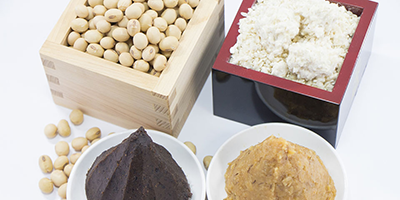
Fermentation is another distinctive feature of the traditional Japanese diet. Foods such as miso and natto have been consumed for generations, and fermentation can change the chemical forms of some naturally occurring compounds in food.

Soy is a good example. Many soy isoflavones naturally occur in glycoside forms, with a sugar molecule attached. Fermentation can convert some of them into aglycone forms, which can be absorbed differently by the body.

Fermented soy foods should not be viewed as a magic solution for menopause or bone health. But they provide an interesting example of how traditional food preparation can influence not only what nutrients we eat, but also the forms in which we consume them.

Learn more about fermented soy foods and their place in the Japanese diet.

Beta-Cryptoxanthin from Mandarins

Another interesting connection between the Japanese diet and bone health comes from a familiar winter fruit: the Satsuma mandarin, or mikan.

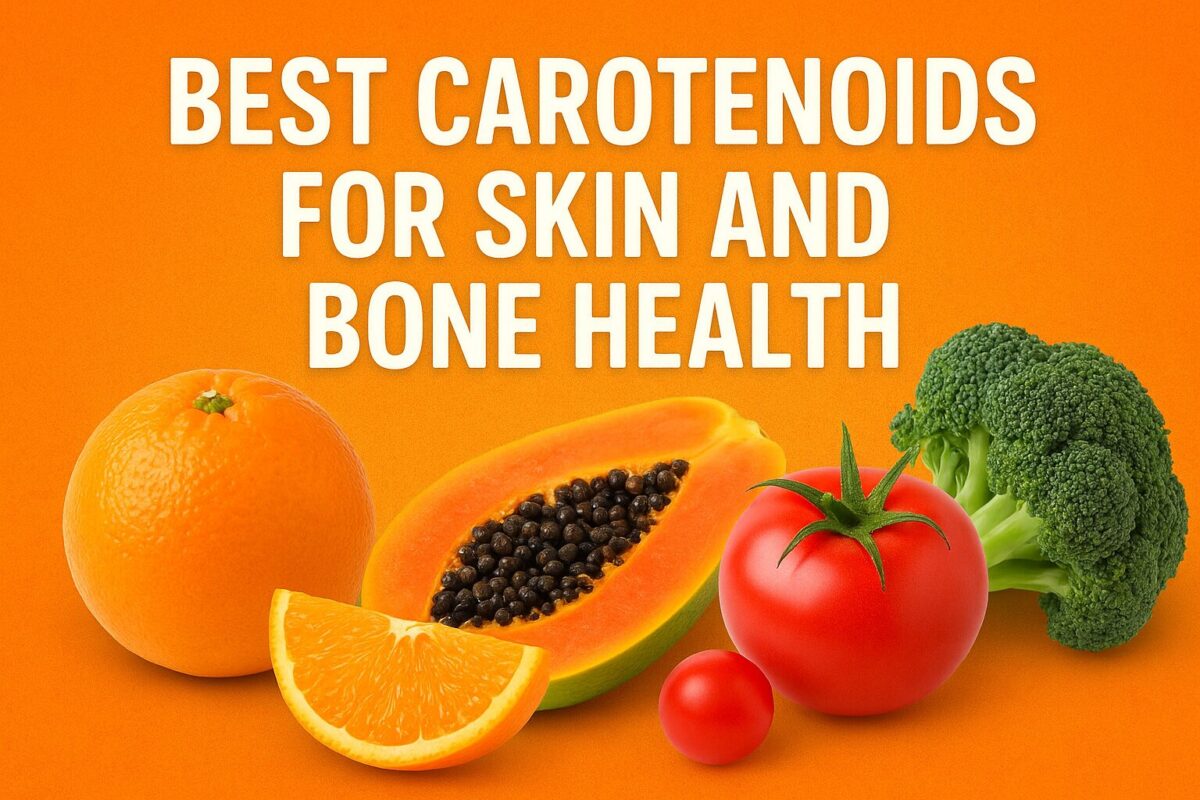
Mikan are particularly rich in beta-cryptoxanthin, a naturally occurring carotenoid also found in fruits such as papaya and persimmons. Unlike calcium or vitamin D, beta-cryptoxanthin is not usually the first nutrient people think of when they think about bones. However, it has attracted scientific interest for its potential relationship with bone metabolism.

Japanese research, including studies involving populations with relatively high consumption of Satsuma mandarins, has examined associations between beta-cryptoxanthin intake or blood levels and measures of bone health. Laboratory research has also explored how beta-cryptoxanthin may influence the balance between bone formation and bone resorption.

The research is still evolving, so beta-cryptoxanthin should not be viewed as a substitute for calcium, vitamin D, exercise, or other established foundations of bone health. Instead, it offers an intriguing example of how a traditional Japanese food may contain lesser-known nutrients that contribute to the bigger picture of healthy aging.

Bone health is ultimately about more than nutrients or bone density—it is about staying active and independent as we age.


Juveriente Bone Strength Complex: Natural Support Simplified

A balanced diet, regular movement, and maintaining muscle strength are the foundations of healthy bones. Supplements should complement these habits, not replace them.

Juveriente Bone Strength Complex was developed from this same perspective, drawing on nutrients associated with both established bone-health nutrition and Japanese dietary research.

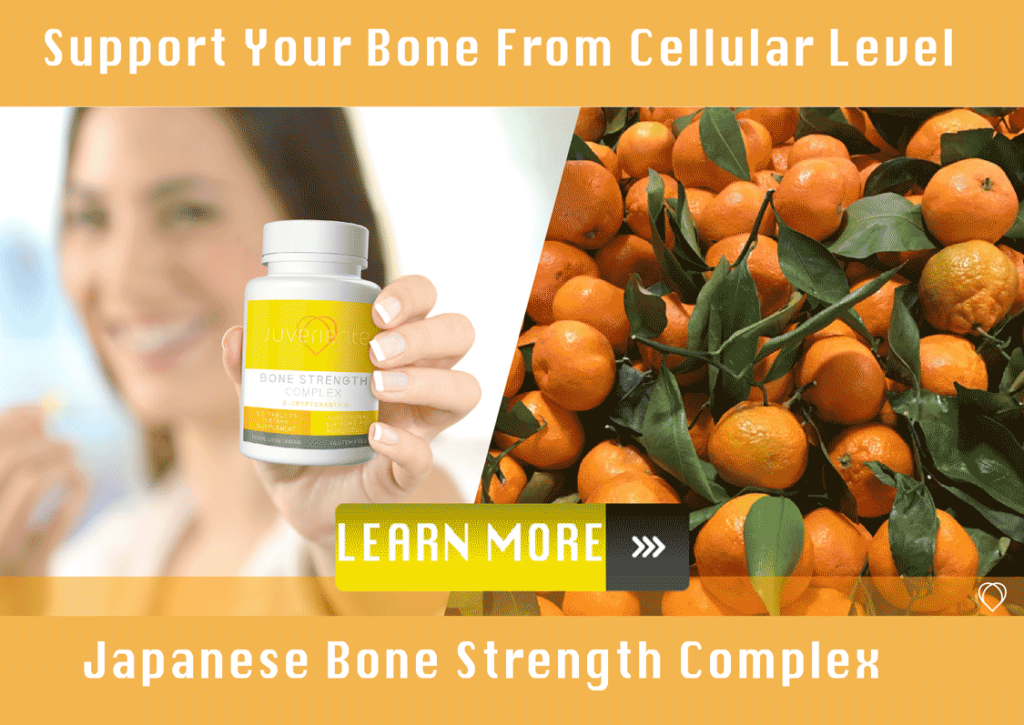
Its formula includes Satsuma mandarin extract, a natural source of beta-cryptoxanthin, together with nutrients such as calcium, vitamin D, magnesium, and vitamin K that play different roles in maintaining healthy bones.

The idea is simple: rather than relying on a single nutrient, support bone health from several nutritional angles while continuing the everyday habits that matter most.

Learn more about Juveriente Bone Strength Complex.

Conclusion

Bone health during and after menopause is about much more than a single nutrient or a number on a bone density test.

Hormonal changes can affect the way bone is renewed, but nutrition, physical activity, muscle strength, sleep, and other everyday habits all contribute to the bigger picture. Traditional Japanese foods—from soy and fermented foods to Satsuma mandarins—also offer interesting examples of how dietary habits may support healthy aging.

Most importantly, strong bones are not an end in themselves. They help us keep walking, exercising, traveling, and doing the things we enjoy. Supporting bone and muscle health in midlife is an investment in staying active and independent for the years ahead.

Small habits practiced consistently can make healthy aging something we build day by day.
Best Nutrients for Postmenopausal Bone Density: Natural Support for Stronger Bones

Introduction

For many women, menopause brings more than just hot flashes or sleep changes—it also marks a turning point for bone health. The drop in estrogen levels after menopause accelerates bone loss, increasing the risk of osteoporosis and fractures. In fact, according to the National Osteoporosis Foundation, one in two women over 50 will experience a bone fracture related to osteoporosis in her lifetime.

The good news? The right nutrients, paired with a balanced diet and lifestyle, can help maintain and even improve bone density after menopause. This article highlights the best nutrients for postmenopausal bone density, from the well-known essentials like calcium to the emerging star beta-cryptoxanthin.


Why Postmenopausal Women Lose Bone Density

Estrogen plays a vital role in maintaining bone remodeling balance—promoting bone formation while suppressing bone breakdown. When estrogen declines during menopause, bone resorption outpaces bone formation, leading to a gradual reduction in bone density.

This process doesn’t happen overnight, but it accelerates during the first 5–10 years after menopause, making proactive bone care crucial.


Calcium: The Foundation of Strong Bones

Calcium is the most abundant mineral in bones and the building block of bone structure. Postmenopausal women are recommended to consume about 1,200 mg of calcium per day.

Best Sources of Calcium

  • Dairy products like yogurt and cheese

  • Leafy greens (kale, collard greens)

  • Fortified plant-based milks

  • Sardines and salmon with bones

However, calcium alone is not enough—it needs other nutrients for proper absorption and utilization.


Vitamin D: The Calcium Absorption Partner

Vitamin D is essential for helping the body absorb calcium from the gut and transport it into bones. Without adequate vitamin D, even high calcium intake won’t translate into stronger bones.

How to Get Vitamin D

  • Sun exposure (10–15 minutes a few times a week)

  • Fatty fish (salmon, mackerel, sardines)

  • Fortified foods (cereals, milk alternatives)

  • Supplements when sun exposure is limited

The Endocrine Society recommends maintaining vitamin D levels above 30 ng/mL for optimal bone health.


Magnesium: The Supportive Mineral

Magnesium works in synergy with calcium and vitamin D. It helps regulate bone formation and influences how calcium is deposited in bone tissue.

Food Sources of Magnesium

  • Nuts and seeds (almonds, pumpkin seeds)

  • Whole grains

  • Spinach and other leafy greens

  • Beans and lentils


Vitamin K: Directing Calcium to Bones

Vitamin K2 is particularly important because it activates proteins that bind calcium into the bone matrix, preventing calcium from being deposited in arteries instead.

Foods to contain Vitamin K richly

  • Natto (fermented soybeans, a Japanese specialty)

  • Leafy greens

  • Cheese


Protein: The Structural Component

While calcium and minerals provide the hardness of bones, protein supplies the collagen framework that makes bones resilient. Adequate protein intake also helps maintain muscle mass, which reduces fall risk—a major cause of fractures in postmenopausal women.


Omega-3 Fatty Acids: Reducing Inflammation

Chronic inflammation contributes to bone loss. Omega-3s, found in fatty fish, flaxseeds, and walnuts, have been shown to reduce inflammatory processes that damage bone tissue.


Beta-Cryptoxanthin: An Emerging Nutrient for Bone Health

Among carotenoids, beta-cryptoxanthin is gaining attention for its unique role in bone metabolism. This carotenoid, found in Satsuma mandarins, papaya, and persimmons, not only acts as an antioxidant but also stimulates bone formation and reduces bone breakdown.

Why It Matters for Postmenopausal Women

Several studies suggest that women with higher intakes of beta-cryptoxanthin have stronger bones and a lower risk of fractures. Unlike some carotenoids, it directly influences bone cell activity, making it a promising nutrient for postmenopausal bone density support.


Juveriente Bone Strength Complex: A Natural Way to Support Bone Density

While a healthy diet is the foundation of bone health, reaching optimal nutrient intake every day can be difficult—especially for lesser-known nutrients like beta-cryptoxanthin.

That’s where Juveriente Bone Strength Complex comes in. This supplement combines:

  • Satsuma Mandarin Extract, a natural source of beta-cryptoxanthin

  • Other supportive nutrients for bone strength

Designed with inspiration from Japanese dietary habits, it helps women over 50 maintain bone density naturally, without relying solely on calcium or synthetic alternatives.

LEARN MORE BSC


Conclusion

Maintaining bone density after menopause requires a multi-nutrient approach. Calcium and vitamin D are the cornerstones, but other nutrients—magnesium, vitamin K, protein, omega-3s, and beta-cryptoxanthin—are just as vital for a comprehensive bone health strategy.

By combining a nutrient-rich diet with targeted support like Juveriente Bone Strength Complex, postmenopausal women can protect their bones, reduce fracture risk, and stay active and independent for years to come.

Best Carotenoids for Skin and Bone Health: Unlocking Natural Support for Aging Well

Introduction

As we age, maintaining vibrant skin and strong bones becomes a top priority. While calcium and vitamin D often take the spotlight for bone health, and collagen gets most of the attention for skin, carotenoids—natural pigments found in colorful fruits and vegetables—also play an important role. These plant compounds act as powerful antioxidants and provide targeted benefits that support healthy aging.

In this article, we’ll explore the best carotenoids for skin and bone health, highlight a lesser-known but highly promising carotenoid called beta-cryptoxanthin, and show how it can fit into your wellness routine.


What Are Carotenoids?

Carotenoids are naturally occurring pigments responsible for the red, orange, and yellow colors in fruits and vegetables. Beyond their role in plant biology, carotenoids are essential for human health. They function as antioxidants, protect cells from oxidative stress, and some of them serve as precursors to vitamin A.

Key Benefits of Carotenoids

  • Antioxidant protection: Neutralize free radicals and reduce oxidative stress.

  • Skin support: Improve skin elasticity, hydration, and defense against UV damage.

  • Eye health: Protect against age-related macular degeneration.

  • Bone health: Some carotenoids, particularly beta-cryptoxanthin, support bone density.

(For more on carotenoids and aging, see National Institutes of Health resource.)


The Best Carotenoids for Skin Health

Beta-Carotene

Perhaps the most famous carotenoid, beta-carotene converts into vitamin A, which is essential for healthy skin cell turnover. It helps maintain youthful skin and reduces dryness.

Lycopene

Found abundantly in tomatoes, lycopene is linked with protecting the skin from sun-related damage and improving skin smoothness.

Lutein and Zeaxanthin

Often associated with eye health, these carotenoids also support skin hydration and elasticity by protecting against oxidative stress.


Carotenoids That Benefit Bone Health

While carotenoids are often highlighted for skin and eye health, recent research suggests they also contribute to maintaining strong bones.

Beta-Carotene and Lycopene

Both have been associated with reducing oxidative stress in bone tissue, which helps prevent bone loss.

Beta-Cryptoxanthin: A Hidden Gem

Unlike more widely known carotenoids, beta-cryptoxanthin is less talked about but holds remarkable potential. Found in mandarins, papayas, and persimmons, this carotenoid has been linked to higher bone mineral density and reduced risk of osteoporosis, especially in postmenopausal women.

Studies suggest beta-cryptoxanthin stimulates bone formation and slows bone resorption, making it a natural ally for long-term skeletal health.
(Reference: National Library of Medicine – Beta-Cryptoxanthin and Bone Health.)


Bringing It All Together: Juveriente Bone Strength Complex

If you want to ensure you’re getting the bone-supporting benefits of carotenoids—particularly beta-cryptoxanthin—diet alone may not be enough. That’s where carefully designed supplements can help.

Juveriente Bone Strength Complex includes Satsuma Mandarin Orange Extract, a natural source of beta-cryptoxanthin, along with other bone-supportive ingredients. This formula is specifically crafted to help women over 50 maintain healthy bone density and reduce the risks associated with age-related bone weakening.

By combining the wisdom of Japanese nutrition with modern supplement science, Juveriente provides a simple and effective way to integrate carotenoid benefits into your daily wellness plan.


Conclusion

Carotenoids are more than just colorful plant pigments—they are powerful allies in maintaining skin vitality and bone strength. While well-known carotenoids like beta-carotene, lycopene, lutein, and zeaxanthin support overall health, beta-cryptoxanthin stands out as a lesser-known nutrient with remarkable bone health benefits.

Incorporating carotenoid-rich foods into your diet and considering targeted support like Juveriente Bone Strength Complex can help you age gracefully, with stronger bones and radiant skin.

The natural bone strength complex made from Satsuma mandarin orange

Juveriente®’s Bone Strength Complex provides you the above all 3 essential nutrients for bone health along with a Japanese bone health support food extract. 

That main functional ingredient is simply an extract of a Japanese popular citrus fruit!! Needless to say, it is better to try a natural food before jumping to strong medicines. Though natural and gentle, it has garnered a lot of amazing reviews in Amazon since its launching in 2016.

If you like to try multi-vitamin supplement, how about adding the natural bone therapy fruit extract with Juveriente® Bone Strength Complex?

Please learn details in our product page.

LEARN MORE BSC


Aglycone Isoflavones vs. Regular Soy Isoflavones: What’s the Difference?

Soy has long been recognized as a nutritional powerhouse, particularly for women navigating menopause. Its natural compounds, known as isoflavones, are plant-based phytoestrogens that can help ease hot flashes, support bone health, and promote overall hormonal balance. But not all soy isoflavones are created equal. Increasingly, experts and supplement makers highlight the superior benefits of aglycone isoflavones compared to regular soy isoflavones. So, what exactly is the difference?

This article explores the key distinctions between aglycone and regular isoflavones, their absorption in the body, and why the form matters for women’s health.


What Are Isoflavones?

The Basics of Soy Isoflavones

Isoflavones are naturally occurring compounds found in soybeans and soy-based foods such as tofu, miso, and soy milk. They are classified as phytoestrogens because they can bind to estrogen receptors in the body and exert mild estrogen-like effects.

Isoflavones in Diet and Supplements

While you can get isoflavones from whole soy foods, supplements are often used to provide more concentrated and consistent levels. However, the type of isoflavone—regular (glycoside form) or aglycone—can significantly affect the body’s ability to use them.

For a general overview of soy isoflavones, visit NIH’s Office of Dietary Supplements.


Regular Soy Isoflavones (Glycosides)

How They Work

Most soy isoflavones in their natural state are bound to sugar molecules. These are called isoflavone glycosides. Because of this chemical structure, the body cannot immediately absorb them.

Digestion and Absorption

To become active, glycosides must first be broken down by gut bacteria in the intestines into their simpler form, aglycones. This process can vary greatly from person to person, depending on the health of their gut microbiome.

The Drawback

If your gut bacteria are not efficient at breaking down glycosides, you may absorb fewer active isoflavones, limiting their effectiveness in relieving menopausal symptoms.


Aglycone Isoflavones: The Bioavailable Form

What Makes Aglycones Different

Aglycone isoflavones are the sugar-free, pre-converted form of isoflavones. This means the body can absorb them directly without requiring gut bacteria to process them first.

Faster and Greater Absorption

Because they bypass the need for conversion, aglycones are absorbed more quickly and in higher amounts. This higher bioavailability makes them more effective for delivering consistent benefits.

Benefits for Women’s Health

Research suggests aglycone isoflavones are more efficient in reducing hot flashes, improving bone density, and supporting cardiovascular health. For women in menopause, this makes them a particularly valuable form of supplementation.

For further details, see this article from PubMed Central.


Food Sources of Aglycone Isoflavones

Fermented Soy Foods

Fermentation naturally converts isoflavone glycosides into aglycones. That’s why fermented soy foods are some of the richest dietary sources of aglycone isoflavones.

Examples include:

  • Miso (fermented soybean paste)
  • Natto (fermented soybeans)
  • Tempeh (fermented soybean cake)
  • Soy sauce (naturally brewed)

These foods not only provide isoflavones but also beneficial probiotics, which can further support gut and overall health.


AglyMax®: The World’s Only Source of Aglycone Isoflavones

One remarkable development in soy research is AglyMax®, a unique ingredient extracted from fermented soybean germ. AglyMax® is the world’s only ingredient that naturally provides aglycone isoflavones in a concentrated form. This innovation allows for more efficient and reliable delivery of isoflavones’ health benefits.

Even more noteworthy, Effisoy® is currently the only supplement outside of Japan that provides AglyMax®. This makes it a unique option for women seeking the proven advantages of aglycone isoflavones, particularly for managing menopausal symptoms and supporting long-term bone and heart health.


Choosing Between Aglycone and Regular Isoflavones

For Dietary Sources

If you enjoy soy as part of your meals, aim to include more fermented soy products to maximize aglycone intake. These options not only taste delicious but also improve nutrient absorption.

For Supplements

When considering supplements, choosing those standardized for aglycone isoflavones ensures better absorption and more reliable benefits. Products containing AglyMax®—such as Effisoy®—stand out as scientifically advanced choices.

Individual Needs

Women with digestive issues or compromised gut health may especially benefit from aglycone isoflavones since they do not rely on intestinal bacteria for conversion.


Conclusion

While both regular soy isoflavones and aglycone isoflavones provide health benefits, the difference lies in how efficiently the body can absorb and use them. Regular isoflavones require conversion by gut bacteria, while aglycone isoflavones are ready for direct absorption. For women over 50, particularly those navigating menopause, choosing aglycone isoflavones—whether from fermented foods or supplements—can provide more consistent and effective support for hormonal balance, bone strength, and overall wellness.

With innovations like AglyMax®, the only natural source of aglycone isoflavones, and supplements like Effisoy®, which make it available outside Japan, women worldwide now have access to a powerful, scientifically supported option for long-term health and comfort.

Take Effisoy®, a natural supplement, to balance your hormone back.

If you are facing an age-related hormonal imbalance, rebalancing it will work with a balanced diet for your beauty, weight management, and daily wellness.

Juveriente®’s Effisoy, launched in 2016, based on fermented soy bean germ extract has been loved as a natural menopause relief since its launching in 2016. 

Its primary function is to boost the weakened synthesis of a hormone precursor, DHEA. It helps the precursor, DHEA. Rebalancing the precursor will eventually recover your hormones in line with your natural balance. It will help recover the hormonal imbalance and help you address various issues in postmenopausal period. 

Here are some of the real product reviews in our Amazon shop.

“Restful sleep finally!!”, “I Am Now Free of Hot Flashes!!”, “Lifesaver”

LEARN MORE About Effisoy, made of fermented soy bean germ
The only supplement to contain fermented soy isoflavone beside Japan. 

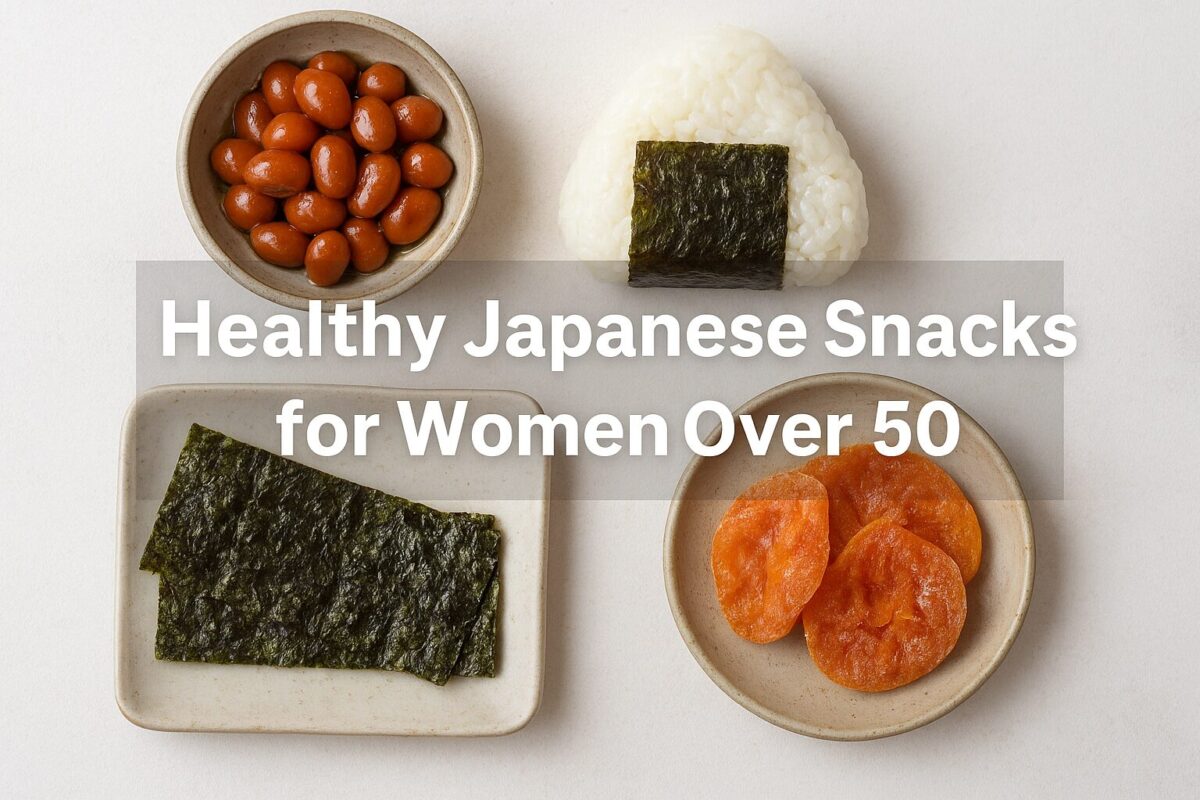
Healthy Japanese Snacks for Women Over 50

As women enter their 50s, nutrition becomes increasingly important for maintaining energy, managing weight, and supporting long-term health. Hormonal changes, slower metabolism, and bone density concerns make choosing the right foods even more essential. While snacking often gets a bad reputation, incorporating wholesome, balanced snacks into your daily routine can be a smart way to fuel your body and avoid overeating at mealtimes. Japanese food culture, with its emphasis on natural, minimally processed ingredients, offers excellent options for guilt-free snacking.

This article explores healthy Japanese snacks for women over 50—such as simmered beans, roasted seaweed, rice balls, and dried persimmons—that are both delicious and nourishing.


Why Healthy Snacking Matters After 50

The Role of Nutrition in Midlife

As women age, estrogen levels decline, which can contribute to bone loss, weight gain, and increased risk of chronic diseases. Smart snack choices rich in protein, fiber, and micronutrients can help counter these changes.

Japanese Philosophy of Snacking

Unlike Western habits that often involve processed, high-sugar treats, Japanese snacks are typically lighter, plant-based, and nutrient-dense. This makes them ideal for maintaining balance and avoiding the blood sugar spikes that lead to fatigue and cravings.

For more insights on healthy eating after 50, visit National Institute on Aging.


Nimame (Simmered Beans): Protein and Fiber Powerhouse

Why Beans Are Beneficial

Simmered beans, or nimame, are a traditional Japanese snack made by cooking soybeans, black beans, or red beans with a touch of soy sauce and sugar. They provide plant-based protein, fiber, and essential minerals like iron and magnesium.

Bone and Heart Health

Beans are especially valuable for women over 50, as they support heart health, regulate blood sugar, and provide nutrients essential for strong bones. The isoflavones in soybeans may also help ease menopausal symptoms.

Easy to Incorporate

Enjoy a small dish of nimame as a mid-afternoon snack or pair them with rice for a light meal. Their naturally sweet and savory flavor makes them satisfying without being heavy.


Yaki Nori (Roasted Seaweed): Light and Mineral-Rich

Nutrient Benefits

Yaki nori, or roasted seaweed sheets, are a staple of Japanese cuisine. They are low in calories but rich in iodine, calcium, magnesium, and antioxidants.

Supporting Thyroid and Bone Health

The iodine in seaweed supports healthy thyroid function, which is crucial for metabolism. Its calcium and magnesium content also contribute to bone strength—an important consideration for postmenopausal women.

A Crunchy Alternative to Chips

Roasted seaweed offers a light, crispy texture, making it a great alternative to processed snack foods. You can eat it on its own, wrap it around rice, or crumble it over salads and soups.

For more about seaweed nutrition, see Harvard T.H. Chan School of Public Health.


Onigiri (Rice Balls): Balanced and Portable

Why Rice Balls Work as Snacks

Onigiri are rice balls often filled with ingredients like salmon, pickled plum (umeboshi), or seaweed. They provide complex carbohydrates for sustained energy and can be customized with nutrient-rich fillings.

Benefits for Women Over 50

Whole grains, including brown rice, are an excellent source of fiber, which supports digestion and heart health. Onigiri’s versatility allows for protein-rich fillings that help stabilize blood sugar.

Convenient and Satisfying

Onigiri are portable, easy to prepare, and portion-controlled, making them perfect for busy women who want a healthy snack at work or on the go.


Hoshigaki (Dried Persimmons): Naturally Sweet and Nutrient-Dense

A Traditional Japanese Treat

Hoshigaki, or dried persimmons, are a naturally sweet snack enjoyed in Japan for centuries. They are rich in fiber, potassium, and antioxidants.

Supporting Digestive and Heart Health

The fiber in dried persimmons aids digestion and promotes satiety, while potassium helps regulate blood pressure. Their antioxidants also protect against age-related cellular damage.

A Guilt-Free Sweet Snack

Unlike processed desserts, hoshigaki are free from added sugars and artificial ingredients. They make a satisfying option when you crave something sweet without the guilt.

For more on the benefits of dried fruits, visit Cleveland Clinic.


Practical Tips for Guilt-Free Snacking

Portion Control

Even healthy snacks can contribute to weight gain if portions are too large. Aim for small servings that provide energy without excess calories.

Pairing Snacks with Other Foods

Combine snacks with complementary foods for better balance—for example, pair nimame with green tea or enjoy roasted seaweed with a small onigiri.

Embracing the Japanese Approach

Japanese snacking culture emphasizes moderation, simplicity, and enjoyment. By adopting this mindset, women over 50 can nourish their bodies while still finding pleasure in food.


Conclusion

Healthy Japanese snacks like nimame, yaki nori, onigiri, and hoshigaki provide nutrient-dense, guilt-free options for women over 50. Packed with protein, fiber, vitamins, and minerals, these traditional foods not only satisfy cravings but also support bone health, heart function, and overall vitality. By integrating these snacks into your daily routine, you can embrace both nourishment and enjoyment, all while promoting long-term wellness.

The natural bone strength complex made from Satsuma mandarin orange

Juveriente®’s Bone Strength Complex provides you the above all 3 essential nutrients for bone health along with a Japanese bone health support food extract. 

That main functional ingredient is simply an extract of a Japanese popular citrus fruit!! Needless to say, it is better to try a natural food before jumping to strong medicines. Though natural and gentle, it has garnered a lot of amazing reviews in Amazon since its launching in 2016.

If you like to try multi-vitamin supplement, how about adding the natural bone therapy fruit extract with Juveriente® Bone Strength Complex?

Please learn details in our product page.

LEARN MORE BSC


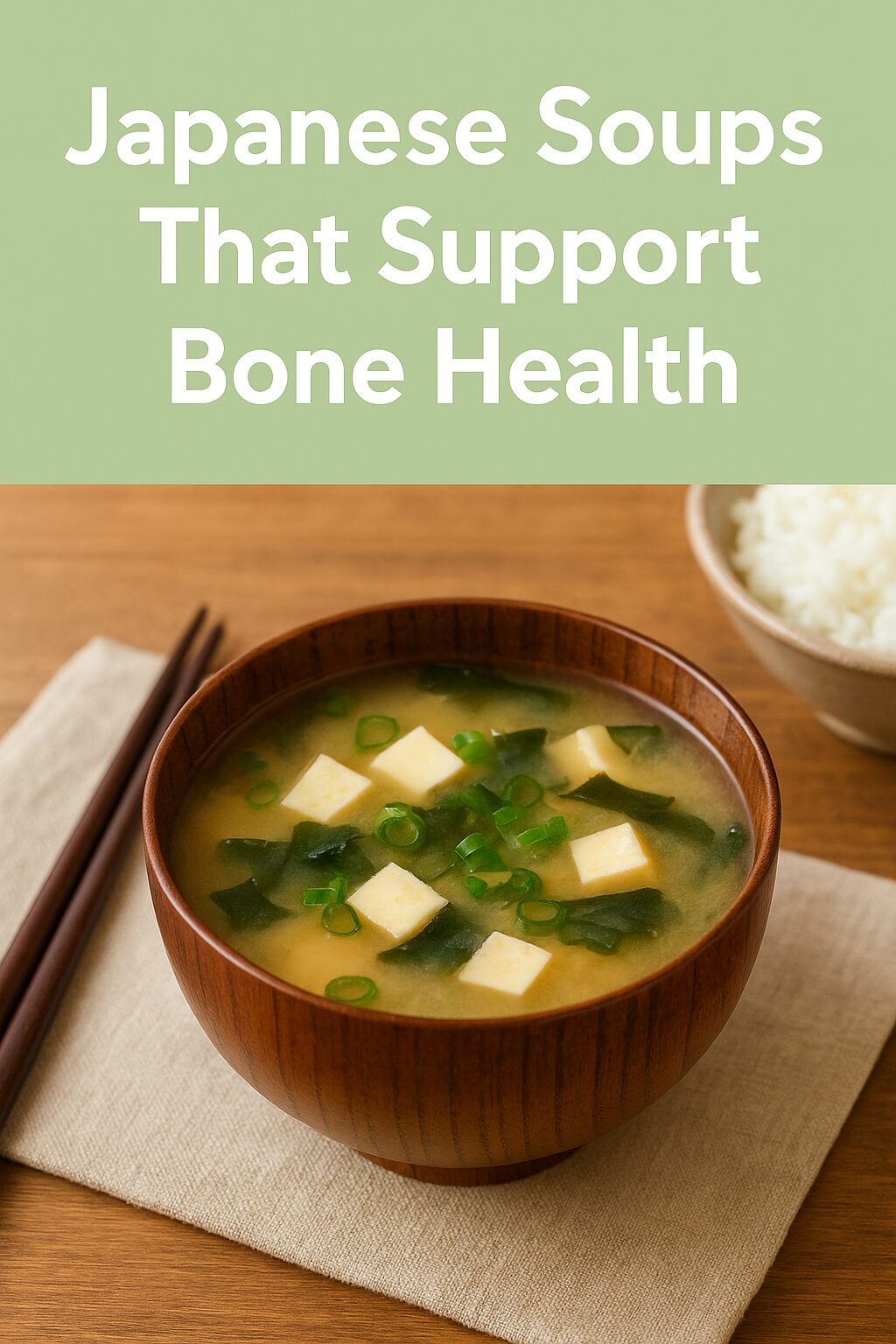
Japanese Soups That Support Bone Health

Bone health is a critical aspect of overall wellness, especially for women navigating menopause and aging. As estrogen levels decline, the risk of osteoporosis and fractures increases. While calcium supplements and medications are often recommended, nutrition plays a powerful role in strengthening bones naturally. Traditional Japanese soups, rich in minerals, collagen, and isoflavones, offer nourishing support for maintaining bone health.

This article explores Japanese soups that can boost bone health, inspired by centuries-old food traditions.


The Connection Between Japanese Diet and Bone Strength

Nutritional Foundations for Healthy Bones

Bones require calcium, vitamin D, magnesium, and protein to stay strong. A balanced diet with mineral-rich foods helps prevent bone density loss.

Why Japanese Soups Are Ideal

Japanese soups often combine seaweed, soy products, fish, and vegetables, creating a mineral-rich and easily digestible meal. Warm broths also enhance nutrient absorption and promote circulation, further benefiting bone health.

For an overview of nutrition and osteoporosis prevention, see the National Osteoporosis Foundation.


Miso Soup: Isoflavones and Minerals in Every Bowl

Soy and Isoflavones

Miso, a fermented soybean paste, is the base of Japan’s most iconic soup. Soy contains isoflavones, plant compounds that mimic estrogen and support bone density. Studies suggest regular soy consumption helps reduce bone loss in postmenopausal women.

Seaweed for Calcium and Magnesium

Miso soup traditionally includes seaweed such as wakame, which is high in calcium, magnesium, and iodine. These minerals are essential for maintaining bone strength and metabolic health.

Tofu as a Protein Boost

Adding tofu cubes to miso soup enhances its protein content, supporting muscle mass that helps protect bones.

Research from the National Institutes of Health highlights the role of soy isoflavones in improving bone mineral density.


Tonjiru (Pork and Vegetable Soup) for Collagen and Nutrients

Collagen from Pork

Tonjiru, or pork miso soup, incorporates thin slices of pork simmered in miso broth with vegetables. Pork provides collagen and protein, both of which are important for bone and joint health.

Root Vegetables for Extra Minerals

Daikon radish, carrots, and burdock root are often included, offering potassium, calcium, and fiber that support bone health.

Comfort and Warmth

This hearty soup not only nourishes bones but also provides warming comfort, making it a staple in colder months.


Fish-Based Soups: Calcium and Omega-3s

Nabe with Small Fish

Japanese hot pot soups (nabe) often feature small fish or fish bones simmered in broth. These provide calcium, phosphorus, and omega-3 fatty acids essential for bone and cardiovascular health.

Salmon Head Soup

A traditional preparation involves simmering salmon heads with miso or soy sauce, yielding a calcium-rich, collagen-boosting broth.

Benefits of Omega-3s

Omega-3 fatty acids reduce inflammation, which may help protect against bone loss and fractures.

For further details on fish and bone health, see Harvard T.H. Chan School of Public Health.


Vegetable-Rich Soups with Seaweed and Mushrooms

Seaweed: A Natural Calcium Source

Kombu and wakame are commonly used in Japanese broths, contributing calcium, magnesium, and trace minerals. These nutrients are vital for bone density.

Mushrooms for Vitamin D

Japanese soups often include shiitake mushrooms, which naturally contain vitamin D precursors. Vitamin D is essential for calcium absorption and bone strength.

Light and Digestible

Vegetable soups are easy to digest and low in calories, making them ideal for long-term bone health support.


Integrating Japanese Soups into Your Daily Routine

Easy Ways to Begin

  • Start your day with a simple miso soup.
  • Add tofu, seaweed, or mushrooms for variety and added nutrients.
  • Experiment with nabe-style hot pots featuring fish, pork, and vegetables.

Consistency Matters

Bone health is built over time. Regularly incorporating these soups into your diet provides consistent nourishment that supports stronger bones.

Complement with Lifestyle Choices

In addition to diet, exercise, sunlight exposure, and stress management are vital for maintaining strong bones.


Conclusion

Japanese soups are more than comfort food—they are nutrient-dense, bone-strengthening traditions. From soy-based miso soup to collagen-rich tonjiru and calcium-packed fish broths, these dishes provide natural support for bone health. By embracing Japanese soup culture, you can enjoy delicious meals while nourishing your bones for long-term vitality.

The natural bone strength complex made from Satsuma mandarin orange

Juveriente®’s Bone Strength Complex provides you the above all 3 essential nutrients for bone health along with a Japanese bone health support food extract. 

That main functional ingredient is simply an extract of a Japanese popular citrus fruit!! Needless to say, it is better to try a natural food before jumping to strong medicines. Though natural and gentle, it has garnered a lot of amazing reviews in Amazon since its launching in 2016.

If you like to try multi-vitamin supplement, how about adding the natural bone therapy fruit extract with Juveriente® Bone Strength Complex?

Please learn details in our product page.

LEARN MORE BSC


Japanese Mindfulness Practices for Menopause and Stress Relief

Menopause is a natural transition in a woman’s life, but it often comes with disruptive symptoms like hot flashes, mood swings, insomnia, and heightened stress levels. While hormone replacement therapy (HRT) is an option, many women seek natural approaches for emotional balance and stress management. Japanese mindfulness practices, rooted in centuries-old traditions, offer calming techniques that support well-being during this transitional stage.

This article explores Japanese mindfulness practices that can help women navigate menopause with greater ease and resilience.


The Connection Between Mindfulness and Menopause

How Stress Affects Menopause Symptoms

Stress intensifies menopause symptoms by disrupting hormonal balance. Elevated cortisol levels worsen hot flashes, insomnia, and anxiety. Mindfulness practices help regulate the nervous system, encouraging calm and reducing the severity of these symptoms.

Why Japanese Mindfulness Stands Out

Japanese culture places a strong emphasis on balance, simplicity, and presence. Practices such as tea ceremonies, forest bathing, and Zen meditation cultivate awareness and emotional stability, which directly benefit women experiencing menopause.


Shinrin-yoku (Forest Bathing) for Calm and Balance

What is Shinrin-yoku?

Shinrin-yoku, or “forest bathing,” is the practice of immersing oneself in nature. It is not about exercise but about slowing down, observing, and connecting with the natural world. Research shows that time spent in forests lowers cortisol levels and blood pressure while improving mood and sleep quality.

Benefits for Menopause

  • Reduces stress and anxiety
  • Improves sleep by regulating circadian rhythms
  • Supports cardiovascular health

Learn more about the science of forest bathing at the Association of Nature & Forest Therapy (https://www.natureandforesttherapy.earth/).


The Japanese Tea Ceremony: Mindful Ritual for Stress Relief

A Practice of Presence

The traditional Japanese tea ceremony, or chanoyu, is more than preparing tea—it’s a mindful ritual emphasizing presence, respect, and tranquility. Every movement, from whisking the matcha to arranging the tea utensils, cultivates focus and calm.

How It Helps During Menopause

  • Encourages mindfulness through ritual
  • Provides antioxidants from matcha, which support overall health
  • Offers a calming social activity that reduces feelings of isolation

Harvard Health highlights the stress-reducing benefits of mindfulness rituals like tea practice (https://www.health.harvard.edu/mind-and-mood/mindfulness-meditation-may-ease-anxiety-mental-stress).


Zen Meditation and Breathing Practices

Zazen: The Core of Zen Mindfulness

Zazen, or seated meditation, is a cornerstone of Zen Buddhism. Practitioners sit in stillness, focusing on posture and breath. This discipline quiets the mind and strengthens emotional resilience.

Breathing for Hormonal Balance

Deep, slow breathing is proven to reduce hot flashes and anxiety. Techniques such as hara breathing (focusing energy in the abdomen) help stabilize emotions and induce relaxation.

Benefits for Menopausal Women

  • Reduces frequency and intensity of hot flashes
  • Improves mood stability
  • Supports restful sleep

For beginners, resources like Zen Studies Podcast (https://zenstudiespodcast.com/) provide accessible introductions to zazen and breathing techniques.


Wabi-Sabi and Ikigai: Finding Meaning in Midlife

Embracing Wabi-Sabi

Wabi-sabi is the Japanese philosophy of appreciating imperfection and impermanence. For women in menopause, it offers a way to reframe this life stage as a natural and beautiful transformation rather than a decline.

Discovering Ikigai

Ikigai, or “reason for being,” is another Japanese concept encouraging individuals to find meaning and joy in daily life. It combines passion, skills, values, and contribution to others. Discovering one’s ikigai during menopause fosters emotional resilience and positivity.

Stress Relief Through Purpose

Both wabi-sabi and ikigai encourage acceptance and purposeful living, reducing stress while enhancing well-being.


Integrating Japanese Mindfulness into Daily Life

Small Steps Toward Balance

You don’t need to live in Japan to benefit from these traditions. Start with:

  • A daily walk in a park or natural setting
  • Preparing tea slowly and with intention
  • Setting aside 10 minutes for mindful breathing
  • Journaling about gratitude and impermanence

Building Consistency

Consistency is more important than duration. Even short, regular mindfulness practices can significantly ease menopause symptoms and stress.


Conclusion

Menopause brings challenges, but Japanese mindfulness practices provide gentle, natural tools for stress relief and emotional balance. By embracing forest bathing, tea ceremonies, Zen meditation, and philosophies like wabi-sabi and ikigai, women can navigate this life stage with grace, resilience, and renewed meaning.

Take Effisoy®, a natural supplement, to balance your hormone back.

If you are facing an age-related hormonal imbalance, rebalancing it will work with a balanced diet for your beauty, weight management, and daily wellness.

Juveriente®’s Effisoy, launched in 2016, based on fermented soy bean germ extract has been loved as a natural menopause relief since its launching in 2016. 

Its primary function is to boost the weakened synthesis of a hormone precursor, DHEA. It helps the precursor, DHEA. Rebalancing the precursor will eventually recover your hormones in line with your natural balance. It will help recover the hormonal imbalance and help you address various issues in postmenopausal period. 

Here are some of the real product reviews in our Amazon shop.

“Restful sleep finally!!”, “I Am Now Free of Hot Flashes!!”, “Lifesaver”

LEARN MORE About Effisoy, made of fermented soy bean germ
The only supplement to contain fermented soy isoflavone beside Japan. 

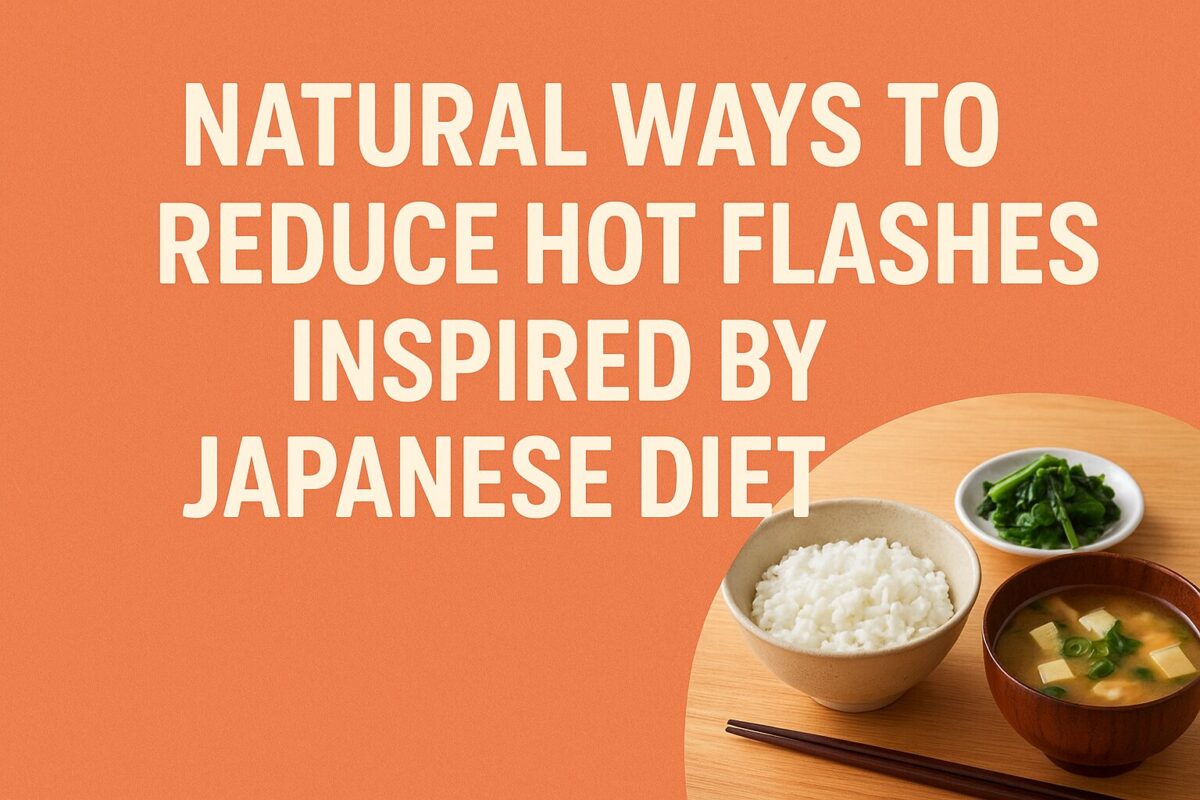
Natural Ways to Reduce Hot Flashes Inspired by Japanese Diet

Hot flashes are one of the most common and frustrating symptoms of menopause. They disrupt sleep, drain energy, and affect overall quality of life. While many women turn to Hormone Replacement Therapy (HRT), not everyone is comfortable with the side effects and risks. Thankfully, natural approaches exist, and Japanese dietary habits provide valuable inspiration. Women in Japan traditionally report fewer menopausal symptoms, and much of this difference comes from their food culture.

This article explores natural ways to reduce hot flashes, guided by Japanese diet principles that emphasize balance, plant-based proteins, and fermented foods.


The Link Between Diet and Hot Flashes

How Food Influences Menopause Symptoms

Hot flashes are triggered by hormonal fluctuations, especially the decline of estrogen. Certain foods can ease these symptoms by supporting hormone balance, reducing inflammation, and stabilizing blood sugar. Conversely, processed foods, excess sugar, and high-fat meals often worsen hot flashes.

Why the Japanese Diet Stands Out

Japanese women traditionally consume more plant-based foods, fermented soy, and green tea while eating less saturated fat and processed sugar. This dietary pattern may explain why studies show lower rates of severe hot flashes among Japanese women compared to their Western counterparts (NIH source).


Soy and Isoflavones: The Japanese Secret

The Role of Soy in Menopause Relief

Soy is a cornerstone of the Japanese diet. It contains isoflavones, plant-based compounds that mimic estrogen’s activity in the body. These natural phytoestrogens may help regulate body temperature and reduce the frequency of hot flashes.

Best Soy Foods to Try

  • Miso soup – a comforting and probiotic-rich option.
  • Tofu – versatile and easy to add to stir-fries or salads.
  • Natto – a fermented soy product rich in vitamin K2, great for bone health.
  • Soy milk – an accessible option for smoothies and drinks.

Research from the North American Menopause Society shows that isoflavones can reduce the intensity of hot flashes in many women.


Fermented Foods and Gut Health

How Fermentation Supports Hormonal Balance

Fermented foods are another highlight of Japanese eating. They not only improve digestion but also enhance nutrient absorption and promote a healthy gut microbiome. Since gut health influences hormone metabolism, this indirectly helps with hot flash management.

Popular Japanese Fermented Foods

  • Miso – made from fermented soybeans, salt, and koji.
  • Natto – sticky, strong-flavored soybeans with powerful health benefits.
  • Tsukemono (pickled vegetables) – provide beneficial bacteria and fiber.

Including small servings of these foods daily may improve both digestive and hormonal health, easing menopausal discomfort.


Cooling and Anti-Inflammatory Foods

Staying Cool with Japanese Dietary Wisdom

Certain Japanese foods naturally help regulate body temperature and reduce inflammation, making them helpful for managing hot flashes.

Hydrating Foods

Cucumber, daikon radish, and watermelon are refreshing and hydrating choices often used in Japanese meals.

Anti-Inflammatory Staples

  • Green tea – rich in antioxidants that calm inflammation.

    (Harvard Health).

  • Seaweed – nutrient-dense and cooling, with minerals that support overall wellness.
  • Fish (like mackerel and salmon) – provide omega-3 fatty acids, reducing inflammation and supporting heart health.

Lifestyle Practices from Japan That Complement Diet

Eating Habits

Beyond food choices, Japanese eating practices also support hormonal balance and reduce hot flash severity:

  • Portion control – smaller, balanced meals reduce blood sugar spikes.
  • Mindful eating – slowing down helps digestion and reduces stress.
  • Less reliance on oil – steaming, simmering, and grilling are favored over frying.

Mind-Body Connection

Traditional Japanese wellness practices, such as forest bathing (shinrin-yoku) and tea rituals, promote relaxation and reduce stress, which can help prevent hot flash triggers.


Bringing Japanese Wisdom into Your Daily Life

Adopting Japanese dietary habits doesn’t require a complete lifestyle overhaul. Start small: add miso soup to breakfast, replace one meat-based meal with tofu, or sip green tea instead of coffee in the afternoon. Over time, these small steps can add up to noticeable relief.

For women seeking additional support, supplements inspired by Japanese nutrition may help. Some products use aglycone isoflavones, the most bioavailable form of soy isoflavones, to promote hormonal balance more effectively. Choosing such natural approaches provides a safer alternative to HRT for many women.


Conclusion

Hot flashes don’t have to dominate life during menopause. By embracing natural ways to reduce hot flashes inspired by the Japanese diet—through soy foods, fermented dishes, hydrating vegetables, and mindful eating—you can find relief while improving overall health. With consistent effort, these small dietary and lifestyle changes may bring long-term balance and comfort.

Take Effisoy®, a natural supplement, to balance your hormone back.

If you are facing an age-related hormonal imbalance, rebalancing it will work with a balanced diet for your beauty, weight management, and daily wellness.

Juveriente®’s Effisoy, launched in 2016, based on fermented soy bean germ extract has been loved as a natural menopause relief since its launching in 2016. 

Its primary function is to boost the weakened synthesis of a hormone precursor, DHEA. It helps the precursor, DHEA. Rebalancing the precursor will eventually recover your hormones in line with your natural balance. It will help recover the hormonal imbalance and help you address various issues in postmenopausal period. 

Here are some of the real product reviews in our Amazon shop.

“Restful sleep finally!!”, “I Am Now Free of Hot Flashes!!”, “Lifesaver”

LEARN MORE About Effisoy, made of fermented soy bean germ
The only supplement to contain fermented soy isoflavone beside Japan. 

Natural Anti-Aging Tips for Women Over 50

As we age, our bodies naturally produce fewer hormones like estrogen, progesterone, and DHEA. This isn’t just about menopause—it’s a shift that can influence almost every aspect of your health, from your skin to your energy levels and metabolism. By supporting your body’s natural hormone production, you can unlock a range of anti-aging benefits that go far beyond relieving hot flashes.

In this article, we’ll explore natural anti-aging tips for women over 50, focusing on how restoring hormone balance can help you feel vibrant, energized, and confident again.


Why Hormone Balance Matters for Anti-Aging

Hormones are chemical messengers that influence nearly every function in your body. When levels drop with age, it can lead to:

  • Persistent fatigue

  • Slower metabolism

  • Dry, thinning skin

  • Reduced muscle tone

  • Weight gain around the abdomen

Many women think of hormone changes only in relation to menopause symptoms. But the truth is, hormone decline affects your entire aging process. Restoring your body’s ability to produce these hormones naturally can help slow—and in some cases, reverse—many visible and invisible signs of aging.


Boosting Energy and Reducing Fatigue

The Link Between Hormones and Energy

Hormones like DHEA and estrogen help regulate how your cells convert food into energy. When they decline, your mitochondria—the “power plants” of your cells—become less efficient.

Natural Ways to Regain Energy

  • Eat a balanced diet rich in lean protein, healthy fats, and complex carbs.

  • Incorporate gentle, regular exercise like walking or swimming.

  • Prioritize 7–8 hours of quality sleep.

Resource: Mayo Clinic’s guide on managing fatigue


Supporting Skin Health and Radiance

How Hormones Affect Your Skin

Estrogen supports collagen production and skin hydration. As estrogen levels drop, skin can become dull, dry, and less elastic.

Ways to Naturally Brighten Skin

  • Eat antioxidant-rich foods like berries, green tea, and dark leafy greens.

  • Protect skin from UV rays with sunscreen and hats.

  • Stay hydrated with at least 8 cups of water daily.

When your hormones are in balance, you may notice smoother skin, better hydration, and even improved makeup application.


Boosting Metabolism for Easier Weight Management

The Hormone-Metabolism Connection

Hormones help control how your body stores fat and burns calories. A slower metabolism after 50 isn’t just about aging—it’s also about hormonal decline.

Practical Metabolism-Boosting Tips

  • Add strength training twice a week to maintain muscle mass.

  • Include spicy foods, green tea, or fermented soy for a natural metabolic boost.

  • Avoid crash diets, which can slow your metabolism further.

Reference: National Institute on Aging – Maintaining a Healthy Weight


Improving Mood and Mental Clarity

Hormones and the Brain

Estrogen influences neurotransmitters like serotonin and dopamine, which affect mood, memory, and focus. Low estrogen can lead to brain fog, irritability, or anxiety.

How to Keep Your Mind Sharp

  • Engage in mentally stimulating activities such as puzzles, reading, or learning new skills.

  • Practice mindfulness or meditation.

  • Ensure you get enough omega-3 fatty acids from fish, walnuts, or flaxseeds.


Natural Ways to Support Hormone Production

While Hormone Replacement Therapy (HRT) is an option for some, many women prefer natural methods that support the body’s own hormone production.

Dietary Choices

  • Include fermented soy products like miso and natto.

  • Eat foods rich in phytoestrogens, such as flaxseeds and sesame seeds.

Lifestyle Habits

  • Manage stress through yoga, tai chi, or walking in nature.

  • Avoid excessive alcohol and processed sugar.


Effisoy® – A Japanese Approach to Natural Hormone Support

For women looking for an extra boost, Effisoy® is a natural menopause supplement inspired by Japanese women’s diets. It contains fermented soy isoflavones in the aglycone form, which your body absorbs more efficiently. This unique approach helps restore your body’s natural hormone production ability, which may:

  • Reduce persistent fatigue

  • Improve skin texture and radiance

  • Support metabolism and healthy weight

  • Enhance mood and focus

Unlike typical menopause supplements that target only hot flashes, Effisoy® works at a deeper level—helping your body help itself.

More on fermented soy isoflavones: WebMD – Isoflavones Overview


Conclusion

Natural anti-aging isn’t about turning back the clock—it’s about giving your body the tools it needs to thrive. By supporting hormone balance through diet, lifestyle, and targeted supplements like Effisoy®, women over 50 can enjoy more energy, better skin, improved metabolism, and a renewed sense of vitality.

Take Effisoy®, a natural supplement, to balance your hormone back.

If you are facing an age-related hormonal imbalance, rebalancing it will work with a balanced diet for your beauty, weight management, and daily wellness.

Juveriente®’s Effisoy, launched in 2016, based on fermented soy bean germ extract has been loved as a natural menopause relief since its launching in 2016. 

Its primary function is to boost the weakened synthesis of a hormone precursor, DHEA. It helps the precursor, DHEA. Rebalancing the precursor will eventually recover your hormones in line with your natural balance. It will help recover the hormonal imbalance and help you address various issues in postmenopausal period. 

Here are some of the real product reviews in our Amazon shop.

“Restful sleep finally!!”, “I Am Now Free of Hot Flashes!!”, “Lifesaver”

LEARN MORE About Effisoy, made of fermented soy bean germ
The only supplement to contain fermented soy isoflavone beside Japan. 

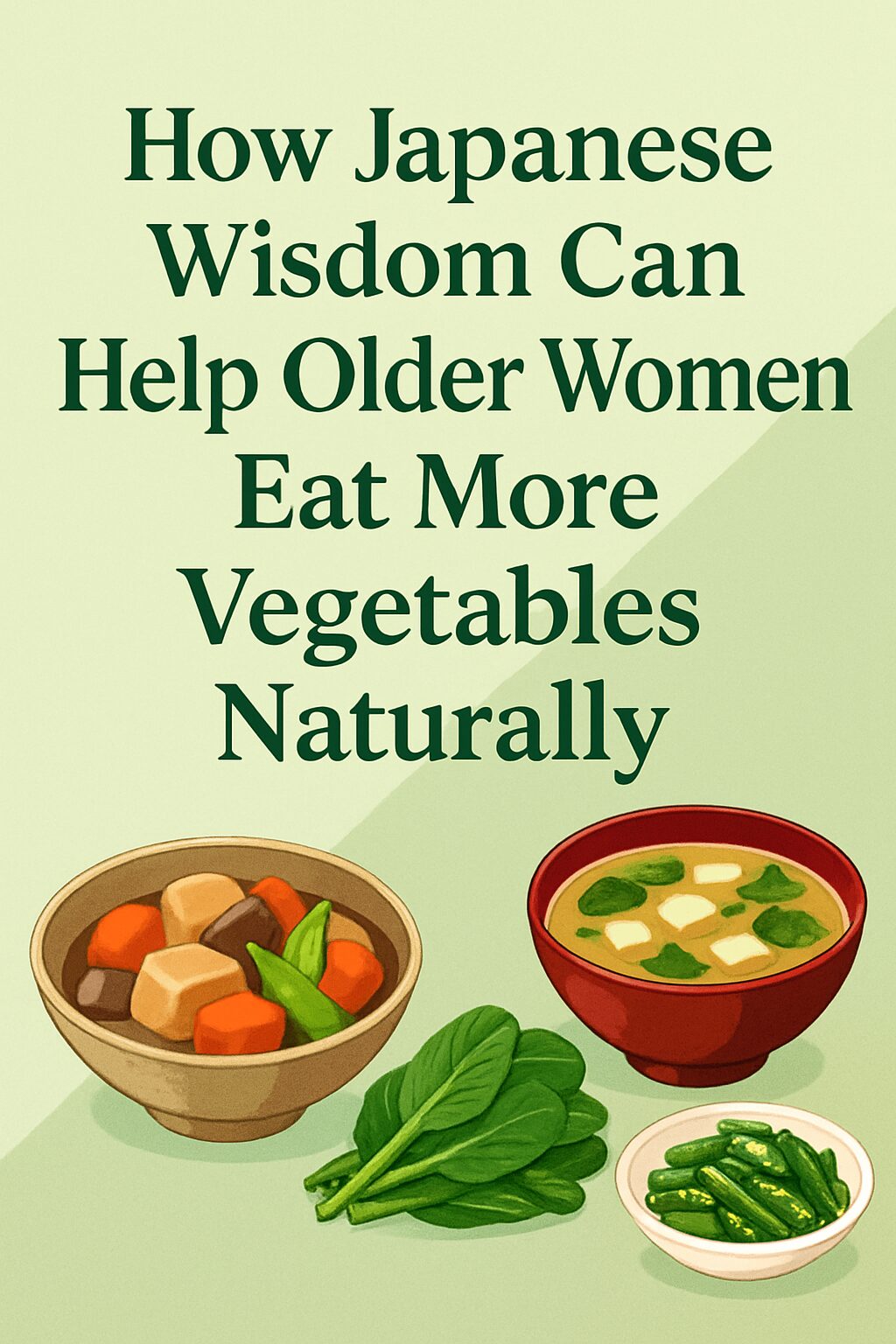
How Japanese Wisdom Can Help Older Women Eat More Vegetables Naturally

Introduction

Many older women in North America find it hard to eat enough vegetables daily. Whether it’s a lack of time, energy, or appetite, this nutritional gap can increase the risk of chronic diseases, fatigue, and poor digestion. But what if there were simple, delicious ways to boost your vegetable intake without extra effort or complex cooking?

Japanese dietary wisdom offers time-tested solutions that naturally increase your vegetable consumption—often without using oil, salt, or sugar. Let’s explore how you can bring these easy and healthy habits into your life.

Take more vegetables!

The Problem: Why Many Older Women Don’t Eat Enough Vegetables

Declining Appetite and Digestion

As we age, metabolism and digestive strength decline. This can lead to smaller appetites, especially for high-fiber foods like raw vegetables.

Lack of Time or Motivation

Many older adults live alone or feel too tired to prepare balanced meals. This often leads to skipping vegetables or relying on processed foods.

Overemphasis on Raw Salads

In many Western diets, vegetables are often served as raw salads. While this can be refreshing in warm weather, raw vegetables can be hard to digest for older adults and may not feel satisfying—especially during colder seasons. Additionally, salads often rely on heavy dressings to add flavor, which can add unnecessary calories and processed ingredients.


JAPANESE WISDOM: MAKE VEGETABLES EASY TO EAT AND ENJOY

Simmered Dishes (Nimono): Flavorful, Comforting, and Voluminous

One of the most effective ways to enjoy vegetables in Japanese cuisine is through nimono, or simmered dishes. Root vegetables such as carrots, daikon, burdock, and sweet potatoes are gently cooked in a seasoned broth made from dashi, soy sauce, and mirin.

This method does more than soften the vegetables—it allows you to consume a much greater volume of vegetables than in raw form. A large handful of raw carrots or burdock shrinks down to a small serving when simmered, making it easier to eat more without feeling overwhelmed.

Another major benefit: the umami-rich broth naturally enhances the flavor of vegetables, so there’s no need for calorie-heavy dressings or sauces. You get a satisfying, flavorful dish with no added oils or processed flavorings.

👉 Prepare a big batch, and you’ll have a ready-to-eat vegetable side for several days—ideal for women living alone or cooking in smaller portions.

Stir-Free Cooking: No Oil Needed

Unlike Western sautéing, Japanese cuisine often avoids oil. Instead, vegetables are steamed, boiled, or lightly simmered.
This means you can increase your vegetable intake without the added calories or inflammation that cooking oils may contribute to.

Miso Soup: A Daily Dose of Veggies

A small bowl of miso soup with seasonal vegetables—like spinach, cabbage, or mushrooms—provides warmth, nutrition, and gut-friendly fermented foods.
Adding tofu gives you plant-based protein and satiety without heaviness.


Easy Japanese-Inspired Habits You Can Start Today

Start Your Day with Soup

Instead of toast or cereal, try a light vegetable soup or miso soup. Warm foods are easier on the stomach and help improve circulation and digestion.

Keep Prepped Veggies in the Fridge

Blanch a batch of spinach or kale and keep it in the fridge. Use it in soups, toss with sesame and soy sauce for a quick side dish, or mix into scrambled eggs.

Use a Light Dashi Broth

Dashi, made from kombu and bonito flakes, adds rich flavor to vegetables without added salt or fat. You can now find dashi packets or concentrate in many Asian grocery stores or online.


Long-Term Benefits of Eating More Vegetables in This Way

Better Hormonal Balance

Vegetables rich in antioxidants and fiber support liver function and hormonal regulation. This is especially important during and after menopause.

Improved Gut Health

Warm, cooked vegetables are easier to digest and help maintain regular bowel movements. Adding fermented foods like miso enhances gut flora.

Sustainable Weight Management

Because these meals are low in fat and high in fiber, they keep you full longer while helping you maintain a healthy weight naturally.


Where to Learn More and Get Started

If you’re interested in applying Japanese-style eating habits to your lifestyle, consider exploring resources that offer beginner-friendly recipes and meal prep tips.

Here are some helpful articles and tools:

By adopting even a few of these practices, you can enjoy a more balanced, satisfying, and nutrient-rich diet—without stress or drastic changes.


Final Thoughts: A Gentle Shift Can Make a Big Difference

You don’t need to become a master of Japanese cooking. Just one bowl of miso soup a day, or a simple simmered carrot dish, can help your body and mind feel more nourished. For middle-aged and older women, these gentle shifts in diet can support hormonal balance, energy levels, and long-term wellness.

Try it this week—and feel the difference vegetables can make when they’re easier, tastier, and smarter to eat.

Lose your weight by boosting your decreased hormone with aging

Juveriente®’s Effisoy, launched in 2016, based on fermented soy bean germ extract has been loved as a natural menopause relief since its launching in 2016. 

Its primary function is to boost the weakened synthesis of a hormone precursor, DHEA. It’s safe as it only heals the natural synthesis function. The hormone boost doesn’t provide the only relief from menopausal symptoms. But, it also supports various aging issues and increases metabolism, which leads to weight loss.

Here are some of the real product reviews in our Amazon shop.

“Restful sleep finally!!”, “I Am Now Free of Hot Flashes!!”, “Lifesaver”

LEARN MORE About Effisoy, made of fermented soy bean germ
The only supplement to contain fermented soy isoflavone beside Japan.
0
0
Your Cart
Your cart is emptyReturn to Shop