Phosphoric acid and bone health have a close link. Phosphorus is an element that plays a vital role in the body. Phosphorus exists as kinds of phosphate, which is phosphoric acid salt.
Almost all phosphorus in the body combines with oxygen to form phosphate. Phosphorus is one of the body’s electrolytes, a mineral that becomes charged when dissolved in fluids such as blood, but most phosphorus in the body is uncharged.
Phosphoric acid and bone health
Bones contain about 85% of the phosphorus in the body. The rest are mainly inside the cell and are involved in energy production. Phosphorus is an essential substance for the formation of bones and teeth. It is also a building block of several vital substances, such as the substances cells use to make energy, cell membranes, and DNA (deoxyribonucleic acid).
Foods to contain phosphorous
Phosphorus is obtained from food and excreted in the urine and sometimes in the stool. How much is excreted in the stool depends on how much you absorb from foods. In this talk about the phosphoric acid and bone health, you will like to know what food contains it richly. They are milk, egg yolks, chocolate, and soft drinks.
Hypophosphatemia
A condition in which the concentration of phosphorus in the blood is deficient.
Phosphorus is one of the body’s electrolytes, a mineral that becomes charged when dissolved in fluids such as blood while most phosphorus in the body is uncharged.
In acute hypophosphatemia, the phosphorus level in the blood suddenly drops to dangerous levels. Acute hypophosphatemia can develop in people who are recovering from conditions such as
Severe undernutrition (such as starvation)
diabetic ketoacidosis
severe alcoholism
severe burns
A sudden drop in phosphorus levels can lead to arrhythmias and death.
chronic hypophosphatemia
In chronic hypophosphatemia, her phosphorus levels in the blood decrease over time. Chronic hypophosphatemia usually results from excessive phosphate excretion. Causes include:
hyperparathyroidism
chronic diarrhea
Long-term use of diuretics
Long-term use of large doses of aluminum antacids
Use of high doses of theophylline (used to treat asthma)
Take Phosphorous from Juveriente® Bone Strength Complex!
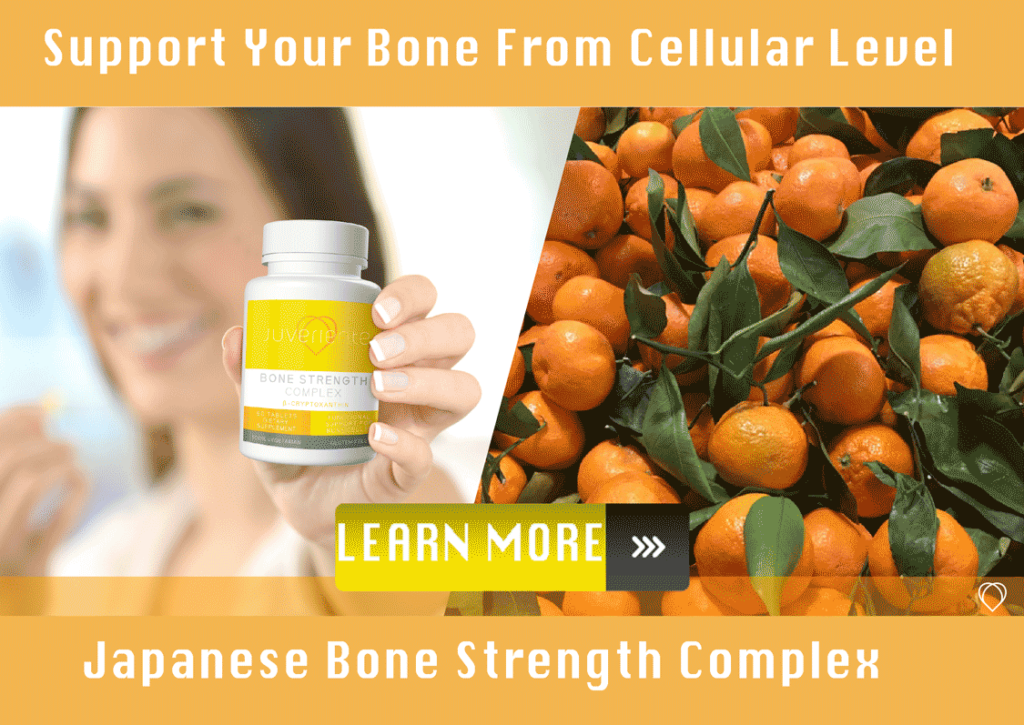
You can also take care of phosphoric acid and bone health through supplements. Juveriente’s Bone Strength Complex will provide you phosphorous in shape of Tricalcium Phosphate among its vitamin set for bone health while it also helps your bone health from the cellular level. (Learn about it more here.)
Middle-aged and older women are more likely to develop osteoporosis due to a rapid bone density decline in female hormones. And even the younger generation tends to have less bone density buffer due to lifestyle changes. Here I like to talk about the vitamin D deficiency and bone density.
Bones not only support the body but are also closely related to the functions of internal organs, such as the flexibility of blood vessels, the ability to lower blood sugar, and the work of the kidneys. From the beauty viewpoint, the bones in the face decrease, and it causes “sagging and wrinkles” and affects the “appearance impression.” Keeping your bones healthy is good for your body and appearance.
Calcium has a strong image of nutrients that are good for bones, but I recommend (1) vitamin D, (2) calcium, and (3) vitamin K in that order. Vitamin D deficiency and bone density have a strong relation. Calcium cannot be absorbed sufficiently into the bones with low vitamin D.
What foods contain vitamin D? Rich in fish and mushrooms. Cloud ear mushrooms, maitake mushrooms, and sun-dried shiitake mushrooms contain it richly. However, eating fish is overwhelmingly efficient. You should eat one piece of fish a day. It also helps prevent arteriosclerosis.
Vitamin D strengthens the bones and the immune system, strengthening muscles and preventing falls. I continue to take vitamin D and live with an awareness of “bone activity” and “immunity enhancement.”
I often make steamed salmon and mushrooms in foil. Sprinkle some soy sauce and sake on the raw salmon, put your favorite mushrooms and butter on top, cover with foil, and steam in a walnut frying pan for about 15 minutes. Add ponzu sauce if you like. It’s so easy and helpful!
You can also take vitamin D through supplements. Juveriente’s Bone Strength Complex will provide you vitamin D among its vitamin set for bone health while it also helps your bone health from the cellular level. (Learn about it more here.)
Bone density decreases with age. When bone density decreases, the bones become fragile, and without knowing it, it may lead to the breakage of the back and hips. In addition, even a slight fall can easily lead to fractures. It is so-called osteoporosis.
It is essential to increase bone density to stay healthy for a long time. But what is the bestway to improve your bone health?
Exercise, sleep, and nutrition are vital in building strong bones. This time, Here are the ways how to make strong bones below.
Exercise for bones
Bone stimulation increases bone density. It would be best if you also had muscle strength to keep your bones strong. Move your body with moderate exercise such as walking, running, and lightweight training to stimulate your bones.
[e.g., One-legged gymnastics]
Putting a load on the base of the foot will strengthen the bones. It will also improve the muscle strength and balance of the lower body.
Do it next to a desk that you can easily reach.
■ Gymnastics
Lift one leg 5-10 cm off the floor and hold for 1 minute. Do the same with the opposite leg.
■ How much should I do it?
1 set for left and right, 1 to 3 sets per day
Sleeping will grow bones
Again, what is the best way to improve your bone health?
If you sleep too little or too lightly, your body will not produce growth hormones, which affects bone growth and repair. Get plenty of sunshine during the day, stay active, and try to get a good night’s sleep.
Nutrition for strong bones
Eating a well-balanced diet every day is the basis of good health. Let’s be conscious of adequate nutrients to promote bone metabolism. It will make your bone strong and durable.
■ Calcium
Necessary for bone and tooth formation and muscle contraction. Milk and dairy products contain a lot of and have a high absorption rate. Soybean products and small fish are rich in calcium.
■Vitamin D
It helps absorb calcium and strengthen bones—Salmon, mushrooms, etc. Moderate sunbathing is also effective for its production in the body.
■ Protein
Collagen material enhances bone quality. It is also essential for building muscles that prevent fractures—Meat, fish, eggs, soy products, etc.
■Vitamin K
It activates proteins and works directly on bones to improve bone quality. Abundant in natto (fermented soybean), green and yellow vegetables, eggs, etc.
A natural bone supplement
Juveriente®’s natural bone supplement, “Bone Strength Complex” may be the new best supplement for elderly.Since its launching in 2016, it has gathered positive feedbacks as the following.
“I have been taking Juveriente Bone Strength Complex for two years. I was waiting for my bone density test this year to write a review. My bone density test results improved. I was diagnosed with Osteoporosis two years ago. The prescription medications for Osteoporosis have too many side affects and I was looking for a good alternative. I am proud to report this product works and has no side affects. The gel capsules are easy to swallow.” (Nov. 17th 2022, a product review for our Amazon shop)
The main functional ingredient is simply an extract of a Japanese popular citrus fruit. Needless to say, it is better to try a natural food before jumping to strong medicines. Please learn details in our product page.
A fall that may only cause bruises or scrapes in a young person can significantly impact an older person’s life. In addition, fractures due to falls are likely to lead to bedridden, and women prone to osteoporosis have an increased risk of fractures. Preventing falls at home is critical and it requires your cautions.
Falls at home often lead to becoming bedridden.
Elderly people and households with elderly people must be careful about “falling.” You may take tripping and falling at home too lightly as a common accident, but as you get older, your physical function declines, and your muscles weaken. Compared to when they were young, they are less able to move their bodies, and it is not uncommon for them to become more prone to stumble over only small steps or to become bedridden after a fall. Even a minor fall can lead to the need for nursing care.
Fractures can lead to bedridden or requiring nursing care…
Injuries and bruises aren’t the only consequences of a fall. As you get older, the risk of fractures from falls increases. Above all, attention is necessary for “femoral neck fracture,” which is likely to occur due to falls. A femoral neck fracture happens near the hip joint (groin). Even a minor fall, such as missing a step on the stairs at home, can result in a broken bone. Surgery and long periods of bed rest may be sometimes necessary, and the muscles may become weak and bedridden.
As a result, the muscles of the legs and lower back become weak, and even after the fracture has healed, walking becomes difficult, and in many cases, it requires nursing care.
Note that osteoporosis increases the risk of fractures.
Muscle weakness is one of the reasons why older adults are more likely to fall.
The prevalence of osteoporosis, which reduces the strength of bones, increases with age, and falls make fractures more likely. Osteoporosis is more common in women than men, and its prevalence is about three times higher than in men. Falls are likely to occur in familiar places such as living rooms and bedrooms, so it is necessary to take adequate measures to mitigate the impact of osteoporosis.
If you go out less due to self-restraint and spend less time in the sun and walking, you will be worried about losing bone mass. If such a life is prolonged, there is concern about health problems due to bone loss.
You will also need to know the critical relationship of beauty and bones.
Middle-aged and older women are more likely to develop osteoporosis due to a rapid decrease in bone density due to the effects of decreased female hormones. And even the younger generation tends to have less bone savings due to lifestyle changes.
The relation between the beauty and bones
Bones not only support the body but are also closely related to the functions of internal organs, such as the flexibility of blood vessels, the ability to lower blood sugar, and the function of the kidneys. In terms of beauty matter, the decrease of facial bone volume causes “sagging and wrinkles” and affects the “appearance impression.” Keeping your bones healthy is good for your body and appearance.
Eat well-balanced meals three times a day.
Calcium intake is vital for bone health, but it’s not the only one. Various nutrients are also required, such as vitamin D, which promotes calcium absorption, and vitamin K, which helps calcium uptake into bones. It is crucial to take in enough energy and nutrients.
Skipping meals increases your chances of getting the energy and nutrients you need.
balanced diet
What is a balanced diet
Staple food (rice, bread, noodles),
Side dishes (vegetables, mushrooms, potatoes, seaweed dishes),
Main dish (meat, fish, egg, soybean dish)
A complete meal.
In addition, if you try not to bias the food in your daily diet as much as possible, you can ingest various nutrients in each food.
In particular, to increase calcium intake, it is possible to incorporate green and yellow vegetables such as spinach, seaweed such as hijiki, and soy products such as tofu.
If it’s not easy to take soy foods in your daily diet, you can try supplements like Effisoy® by Juveriente®.
Healthy diet will lead to your healthy bones, and eventually your beauty.
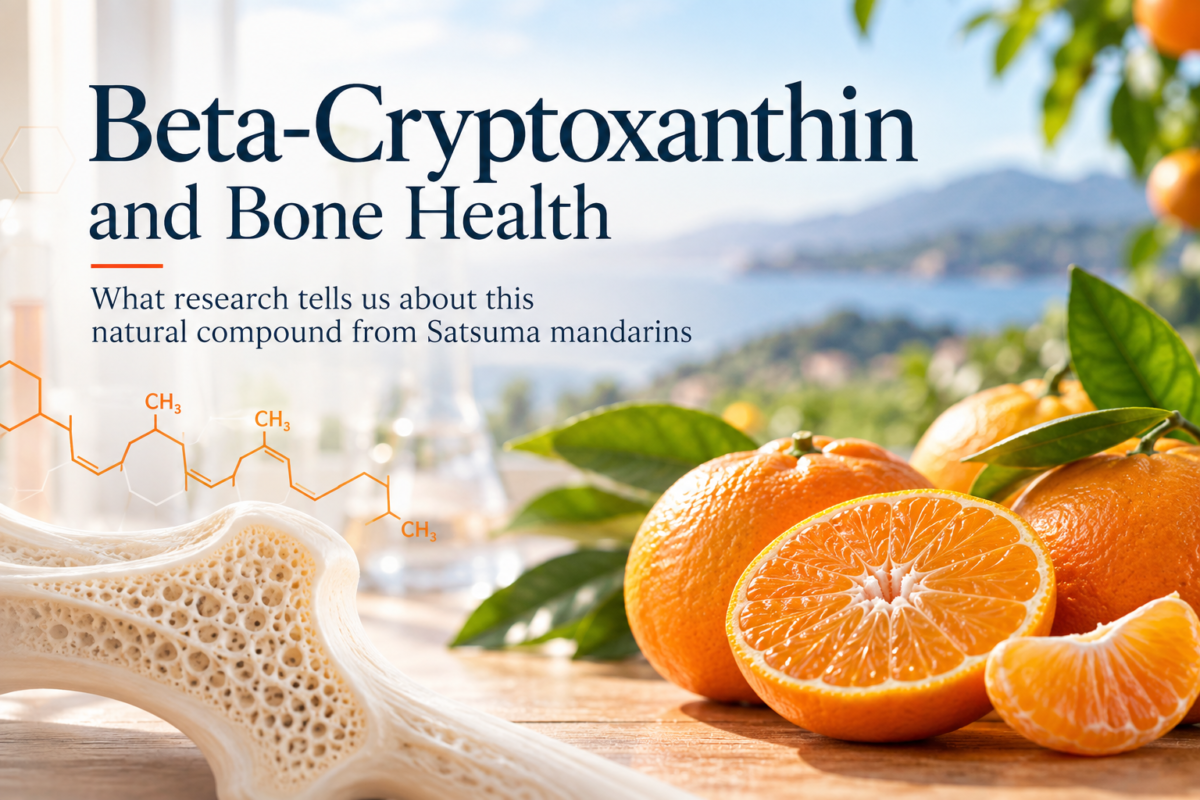
Beta-cryptoxanthin is a naturally occurring carotenoid found in a variety of fruits and vegetables—and it is particularly abundant in Satsuma mandarins, known as mikan in Japan.
Most people associate bone health with familiar nutrients such as calcium and vitamin D. But researchers have also investigated whether other dietary compounds may play a role in the complex process of bone remodeling.
Beta-cryptoxanthin is one of them.
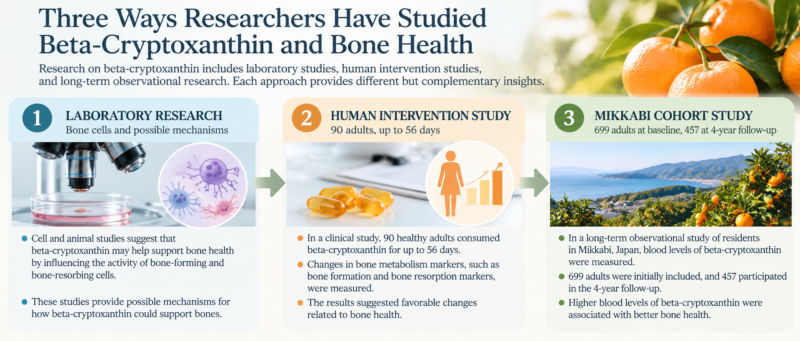
Over the past several decades, research has examined beta-cryptoxanthin from several different perspectives. Laboratory studies have explored its effects on cells involved in bone formation and bone resorption. Small human intervention studies have measured changes in markers of bone metabolism after consuming beta-cryptoxanthin-rich beverages. And observational studies in Japan have investigated associations between blood levels of beta-cryptoxanthin and measures of bone health.
These findings are intriguing, but they need to be interpreted carefully. Laboratory findings do not automatically translate into clinical benefits, and observational associations do not prove that beta-cryptoxanthin prevents or treats osteoporosis.
So what does the research actually show?
This article takes a closer look at the evidence behind beta-cryptoxanthin and bone health—and, just as importantly, what that evidence does not yet prove.
What Is Beta-Cryptoxanthin, and How Is It Related to Bone Health?
Beta-cryptoxanthin is a carotenoid—a family of natural pigments responsible for many of the yellow, orange, and red colors found in fruits and vegetables.
It is found in foods including papaya, persimmons, red peppers, and citrus fruits. One particularly rich dietary source is the Satsuma mandarin (Citrus unshiu), a small, easy-to-peel citrus fruit widely eaten in Japan and commonly known there as mikan.
Satsuma mandarins, known as mikan in Japan, are a particularly rich dietary source of beta-cryptoxanthin.
Beta-cryptoxanthin also has provitamin A activity, meaning the body can convert it into vitamin A when needed. But researchers have become interested in beta-cryptoxanthin for reasons beyond its role as a vitamin A precursor.
One area of research is bone metabolism.
Bone is living tissue that is continually renewed through a process known as bone remodeling. Cells called osteoblasts are involved in forming new bone, while osteoclasts break down older bone tissue. Maintaining bone health depends in part on the balance between these processes.
Laboratory studies have investigated how beta-cryptoxanthin may interact with these cellular processes. Human studies have approached the question differently, examining bone-metabolism markers or associations between beta-cryptoxanthin status and bone health.
Understanding the difference between these types of evidence is important—and we’ll look at each of them separately below.
Laboratory Research: What Happens in Bone Cells?
Much of the early research on beta-cryptoxanthin and bone metabolism was conducted in laboratory models using bone tissue and cultured cells.
These studies examined two important types of bone cells: osteoblasts, which are involved in forming new bone, and osteoclasts, which break down older bone tissue as part of the normal remodeling process.
In laboratory experiments, beta-cryptoxanthin has been associated with increased activity related to osteoblast function and bone mineralization. Other experiments found effects on the formation and activity of osteoclasts, including pathways involved in bone resorption.
These findings helped researchers develop a possible biological explanation for why beta-cryptoxanthin might be relevant to bone metabolism.
However, this distinction is important: these were primarily cell-culture and animal studies. They help us understand possible mechanisms, but they do not by themselves demonstrate that consuming beta-cryptoxanthin will increase bone density or prevent osteoporosis in humans.
Human Intervention Study: Changes in Bone Metabolism Markers
Researchers have also investigated beta-cryptoxanthin in humans.
In one intervention study, 90 adults between the ages of 27 and 65—including 36 postmenopausal women—were assigned to groups consuming a daily juice containing different amounts of beta-cryptoxanthin or a placebo juice.
The beta-cryptoxanthin groups received 1.5, 3.0, or 6.0 mg per day for up to 56 days.
Researchers measured several blood markers associated with bone formation and bone resorption. In participants consuming 3.0 or 6.0 mg of beta-cryptoxanthin per day, changes were observed in multiple markers of bone metabolism. Similar changes were also reported in the subgroup of postmenopausal women.
This study is interesting because it moves beyond laboratory models and examines biological responses in people.
But it is also important to understand what was measured.
The study evaluated circulating markers of bone metabolism—not changes in bone mineral density or fracture rates. A change in a biomarker is not the same as demonstrating that a nutrient prevents osteoporosis or fractures.
For questions about long-term bone health, we therefore need to look at a different kind of human evidence: observational studies that follow people over time.
The Mikkabi Cohort Study: Beta-Cryptoxanthin and Bone Health Over Time
Some of the most interesting human evidence comes from Mikkabi, a mandarin-growing region in Shizuoka Prefecture, Japan.
The Mikkabi Study began by examining 699 adults—222 men and 477 women—and measuring factors including serum carotenoid levels and bone mineral density.
In the initial cross-sectional analysis, higher serum beta-cryptoxanthin levels were associated with higher radial bone mineral density in postmenopausal women, although the association became weaker after additional adjustment for dietary mineral and vitamin intake.
Researchers then continued to follow participants over time.
Four years later, 457 participants—146 men and 311 women—took part in a follow-up examination. Among the 212 postmenopausal women in this follow-up analysis, 15 developed new-onset osteoporosis during the four-year period.
After adjusting for multiple potential confounding factors, women with the highest baseline serum beta-cryptoxanthin concentrations had lower odds of developing osteoporosis than women in the lowest group. Higher beta-cryptoxanthin levels were also associated with a lower risk of developing osteopenia or osteoporosis.
These findings are noteworthy because they come from people observed over several years rather than from cells or short-term changes in blood markers.
However, the Mikkabi Study was observational. It can identify associations, but it cannot establish that beta-cryptoxanthin itself caused the lower risk. People with higher beta-cryptoxanthin levels may also differ in diet, lifestyle, or other factors that influence bone health.
What the Research Shows—and What It Doesn’t Yet Prove
Taken together, the research on beta-cryptoxanthin and bone health is promising—but it is important to distinguish between what the evidence suggests and what it has actually demonstrated.
Laboratory studies provide a possible biological explanation for how beta-cryptoxanthin may influence processes involved in bone formation and bone resorption. Human intervention studies have also reported changes in blood markers associated with bone metabolism after beta-cryptoxanthin intake.
Longer-term observational research from Japan adds another piece to the picture. In the Mikkabi Study, higher blood levels of beta-cryptoxanthin were associated with more favorable measures of bone health in some analyses, including a lower incidence of osteoporosis among postmenopausal women during follow-up.
These different types of evidence point in an interesting direction, but they are not equivalent to proof that beta-cryptoxanthin prevents or treats osteoporosis.
Laboratory findings do not always translate into meaningful clinical effects in humans. Changes in bone-turnover markers do not necessarily mean that bone mineral density will increase or fractures will be prevented. And observational studies can identify associations, but they cannot fully separate the effects of beta-cryptoxanthin from other differences in diet, lifestyle, and overall health.
Most importantly, large, long-term randomized clinical trials examining outcomes such as bone mineral density and fracture risk are still limited.
For these reasons, beta-cryptoxanthin is best viewed as an interesting dietary compound being studied for its potential role in bone health—not as a treatment for osteoporosis or a replacement for established approaches to maintaining healthy bones.
Research Results Are Not Always Consistent
Not all studies of beta-cryptoxanthin and bone health have produced the same results.
While studies from Japan—particularly the Mikkabi Study—have reported associations between higher beta-cryptoxanthin levels and more favorable measures of bone health, research in other populations has been less consistent.
For example, the Framingham Osteoporosis Study followed older adults in the United States and examined dietary intake of several carotenoids in relation to bone mineral density and fracture risk. In these analyses, beta-cryptoxanthin intake was not significantly associated with bone mineral density or a lower risk of hip fracture.
Why might the results differ?
The studies involved different populations, diets, levels of beta-cryptoxanthin intake, methods of measuring exposure, and bone-health outcomes. Beta-cryptoxanthin intake is also generally higher in Japan than in the United States, particularly in regions where Satsuma mandarins are commonly consumed.
A 2016 review of beta-cryptoxanthin research noted these differences and concluded that variations in study design, population, and diet may help explain the inconsistent findings.
More recently, a systematic review and meta-analysis published in 2021 found that higher beta-cryptoxanthin intake was associated with a lower risk of osteoporosis and hip fracture across the observational studies analyzed. However, the authors also emphasized important limitations in the available evidence and called for further longitudinal studies and randomized controlled trials.
Taken together, the evidence remains encouraging, but not definitive. The differences between studies are another reason to view beta-cryptoxanthin as a promising area of nutritional research rather than as a proven treatment for osteoporosis.
How Beta-Cryptoxanthin Fits Into the Bigger Picture of Bone Health
Beta-cryptoxanthin is only one piece of a much larger bone-health picture.
Strong bones depend on many factors working together. Adequate calcium and vitamin D remain important, while protein and other nutrients contribute to maintaining the tissues that support movement and strength. Regular weight-bearing and resistance exercise also helps support bones and muscles, balance, and mobility.
For women during and after menopause, this broader perspective becomes especially important. Declining estrogen can affect the balance of bone remodeling, while changes in muscle mass and strength can influence mobility and the risk of falls.
Beta-cryptoxanthin adds an interesting nutritional dimension to this picture. Its presence in foods such as Satsuma mandarins, together with the laboratory, human intervention, and observational research discussed above, makes it a worthwhile subject for continued study.
But it should not be viewed in isolation—or as a substitute for established approaches to bone health.
Instead, the research on beta-cryptoxanthin offers another example of how foods and dietary patterns may contain compounds that contribute to the complex process of healthy aging.
For women interested in the broader picture, our guide to natural ways to support bone health during menopause explores how hormonal changes, nutrition, exercise, muscle strength, and Japanese dietary habits fit together.
Why Juveriente Became Interested in Beta-Cryptoxanthin
At Juveriente, our interest in beta-cryptoxanthin began with a simple question: could traditional Japanese foods offer useful clues for supporting healthy aging?
Satsuma mandarins have long been a familiar part of everyday life in Japan. Research from mandarin-growing regions such as Mikkabi drew our attention to beta-cryptoxanthin, one of the naturally occurring carotenoids found in particularly high concentrations in this fruit.
As we looked more closely at the research, what interested us was not a single dramatic finding, but the different layers of evidence—from laboratory studies of bone metabolism to human intervention studies and long-term observational research.
At the same time, the limitations of that evidence are important. Beta-cryptoxanthin should not be viewed as a treatment for osteoporosis, and bone health cannot be reduced to any single nutrient or dietary compound.
Instead, we see beta-cryptoxanthin as one interesting part of a broader approach to nutrition and healthy aging—an approach inspired in part by foods and dietary habits that have long been familiar in Japan.
From Research to Bone Strength Complex
This interest in beta-cryptoxanthin eventually became part of the thinking behind Juveriente® Bone Strength Complex.
The formula includes beta-cryptoxanthin from Satsuma mandarin extract together with nutrients commonly associated with maintaining healthy bones, including calcium, vitamin D, magnesium, and vitamin K.
The idea is not that beta-cryptoxanthin—or any supplement—can replace a balanced diet, regular physical activity, or appropriate medical care. Rather, Bone Strength Complex was developed as a nutritional option for people who want to support bone health as part of a broader healthy-aging lifestyle.
The research discussed on this page helps explain why beta-cryptoxanthin became an ingredient of particular interest to us. It should not, however, be interpreted as evidence that Bone Strength Complex prevents or treats osteoporosis.
Beta-cryptoxanthin is a fascinating example of how a naturally occurring compound in an everyday food can become the subject of scientific research.
Laboratory studies have suggested possible effects on processes involved in bone remodeling. Human intervention studies have reported changes in markers of bone metabolism, while observational studies—particularly those conducted in Japan—have found associations between higher beta-cryptoxanthin levels and certain measures of bone health.
At the same time, the evidence has important limitations. Results have not been completely consistent across populations, and the research available today does not establish beta-cryptoxanthin as a treatment for osteoporosis or as a substitute for established approaches to maintaining bone health.
Healthy bones are supported by the bigger picture: good nutrition, adequate calcium and vitamin D, regular physical activity, strong muscles, and appropriate medical care when needed.
Beta-cryptoxanthin may be one interesting part of that picture—and one that deserves continued research.
Juveriente® Have Received A Lot Of Great Reviews since 2017
We, Juveriente®, have received various feedbacks for our 2 products, Effisoy® and Bone Strength Complex. We are happy to see in many reviews that our effort is helping so many women.
“I have severe hot flashes for the past 7 years. After watching Dr Melissa YouTube video, I’ve been taking this product plus other supplements (Milk Thistle, Iodoral) and it completely took my hot flashes away. (Nothing else worked for me.). I’ve been using this product for over a year. I ran out of it and the hot flashes returned. I recommend watching Dr Melissa YouTube video it was a life changer for me.”
We also receive some negative feedbacks claiming that a few weeks or even a few days dosage doesn’t help them. We always explain to such customers by saying they need more patients with continual taking, and the duration before they see certain effects will vary depending on individuals.
The Concept of Oriental Medicine
The above explanation may sound obsolete to you. You might have already heard the same from a lot of supplement brands.
But such notices, “It may take time” and “The duration before you feel certain effects will vary depending on individuals” are never define the supplement as weaker versions of medicines for us. They are rather the key concepts of the basic of Juveriente’s supplements, Oriental Medicine.
The standard, or modern medicine, which we call Western medicine hereafter, specifies the deceased part and remove it or fix it directly. Drugs for it are often made of a single chemical.
But the idea of Oriental medicine is totally different. It will pursue the root cause of decease in the disorder or imbalance of your daily life and health. It may be in your imbalanced diet, a disorder of your discharging like sweat or bowel movement, or a disorder of circulation and metabolism.
Then it will aim the recovery of such imbalances sometimes with a little help of herbal medicines or acupuncture and moxibustion, and mainly through daily diet.
Such indirect treatment will not remove the problem immediately. “It may take time” and “The duration before you feel certain effects will vary depending on individuals”
But surely safe, and it addresses the root cause of the problem and provides you sustainable help.
(Of course, there are a lot of cases that such mild oriental medicine is not enough. We will discuss it in our next post.)
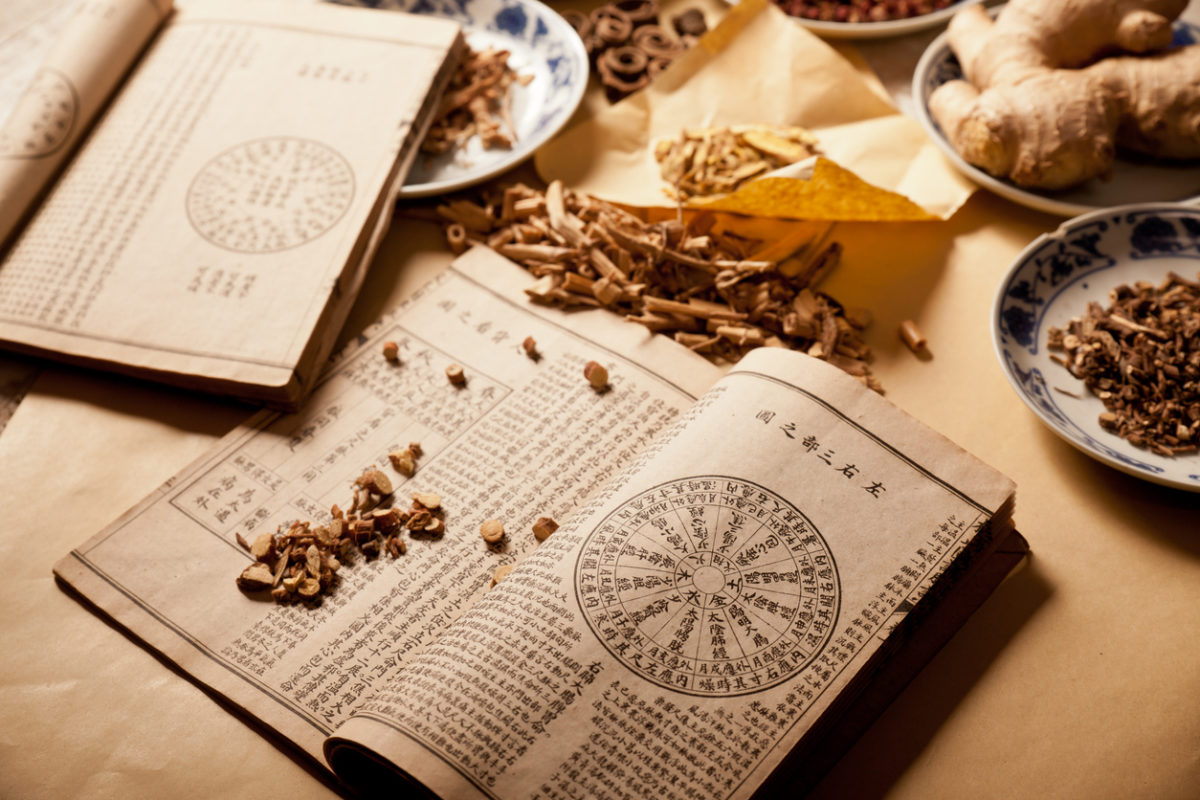
The old grinding of Chinese herbal medicine of traditional Chinese medicine
Japanese Diet and Oriental Medicine
“Medicine” meant Chinese traditional medicine in Japan in most of its long history (about 1,500 years) and it was simply called “Medicine”.
Japanese first modern government, which replaced the last and long lasted Samurai government in the late 19 century, adopted modern medicine imported from the Western countries as the official medicine.
Since then, Japanese people call modern Medicine Western Medicine, or only Medicine, and their former standard medicine Oriental medicine or Kanpo.
Regardless of this historical major change of their public policy, Oriental medicine is deeply rooted in their culture and daily life. Even doctors of Western medicine sometimes recommend Oriental medicine treatments to their patients.
Its idea is also rooted in the Japanese diet and makes it healthy. It never is their principle idea that a specific food provides them a particular health effect. Each food has various and general health effects, and good health needs multiple and diverse foods.
But there are surely various foods which help your health in some specific problems. We, Juveriente focused on some of them, which have back data and great performances in Japan, made them into supplements, and introduced them to the world.
Thus, the concept of Juveriente supplements is an extension of Oriental medicine. “It may take time” and “The duration before you feel certain effects will vary depending on individuals” “But surely safe, and it addresses the root cause of the problem and provides you sustainable help.”
Men also get osteoporosis as their age gets higher.
Men have bigger and thicker skeleton than women and have more bone mass when they are young. They don’t experience a steep decline in their hormones like women’s menopause. These factors moderate the men’s osteoporosis risk. But, such a chance gets higher also on men as they age higher.
Osteoporosis in men happens after their age of 60, generally, and its ratio becomes about half of women. The bone mass of men aged around 80 is only about 70% of their youth and many of them can get osteoporosis.
Men also have factors to facilitate osteoporosis risk besides the factors to moderate it as the above. They have more tendency to have diabetes or hypertension. More men smoke and drink than women. These are related to the onset of osteoporosis.
Men’s osteoporosis can bring them more lifetime health risks.
Both men and women become easy to fall due to the waned muscle and sense of balance. Weakened bone by osteoporosis is easy to be broken even by a little falling. Men have bigger bodies, and their moves are strong; they tend to hit their bodies harder on the ground or floor and it may break their bones or cause a head injury. So, we can tell you that the osteoporosis in men has higher risk of such injury.
Thus men tend to shut themselves in their house after such injuries worry the same trouble from happening again. As a result, they will not move their bodies enough, and their muscle strength and muscle strength will decline. Eventually, it leads to the deterioration of their body functions and mental depression. In the worst case, they may fall into the condition to need care.
Laying on a hospital bed and having nothing to do
Which bones are broken? What happens as a result?
The bone parts often to be broken for older men are the same as women, vertebral body (backbones), proximal portions of femur, base of upper arms, and wrists.
Among these parts, the bone-breaking at the base of the femur often brings down the patients into the condition needing care, and you will need to be very careful.
The spinal cords pass through your backbones. If the backbones are broken, it can cause health disorders beyond the broken bones. The broken part may press the nerve to cause disturbance of gait or urination disorder.
The possibility of bone-breaking increases after the age of 70, even in men, and it can lead to further severe health problems. Thus men should take care of bone health as well as women.
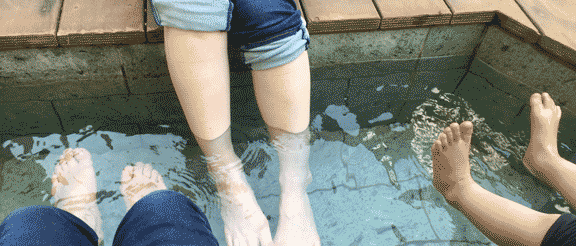
Footbath will improve your bloodstream and change your life better.
Breast cancer rate is far lower in Japan. Why?
What is Natto?
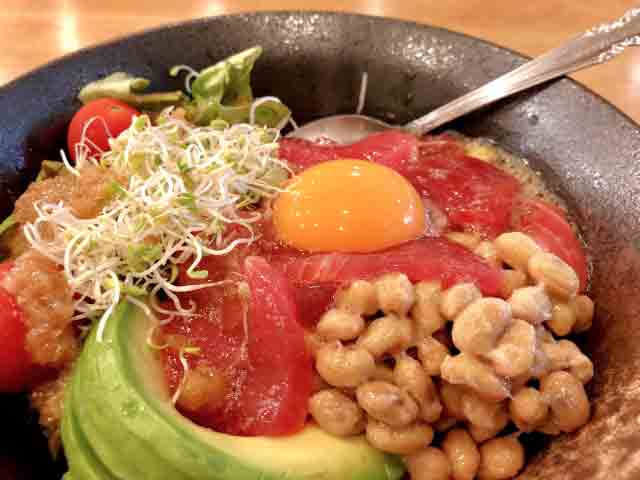
Japanese Natto Food: Our recent article explored the benefits of fermented food, particularly foods like miso, and soy sauce. A deep-dive into another fermented food, natto, shows that this particular food may have many benefits that help women going through menopause. Natto, not nearly as popular as its “cousin” tofu, has been eaten in Japan for millennia. It is made of fermented soybeans, soybeans which are fermented with the bacteria bacillus subtilus. The beans are first cooked for hours before the bacteria are introduced in a temperature-controlled fermentation room. After a day or so, the beans are cooled and stored in a refrigerator for the flavor to mature.
The
beans develop into a slightly sticky texture, though they still look
like gooey chickpeas. Some complain that the odor of natto is not the most
appetizing, ranging from exercise socks to paint thinner, from ammonia to
Camembert cheese, and yet, depending how it’s prepared, the odor does not have
to be overly pungent. It is certainly an acquired taste, but with that
acquisition come all of the health benefits.
Health
Benefits of Natto
Supplement is the best way to take only the benefit of fermented soybeans, without unfamiliar odor and texture.
The
active ingredient in Natto is nattokinase. This enzyme not only helps aid circulation, but it also works
to clean out the blood vessels which reduce the risk of hypertension, stroke
and heart disease. It is also strong in K2, a vitamin that helps with bone
health. The ability to bolster bone strength is one of the reasons why natto should
be considered by menopausal and postmenopausal women. One study of Japanese women who were postmenopausal showed that those who
consumed natto regularly were less likely to develop bone density loss which
helped protect them against osteoporosis. In comparison to other soy products
like tofu, there was no correlation between improved bone density and
consumption.
Superfood
Benefits
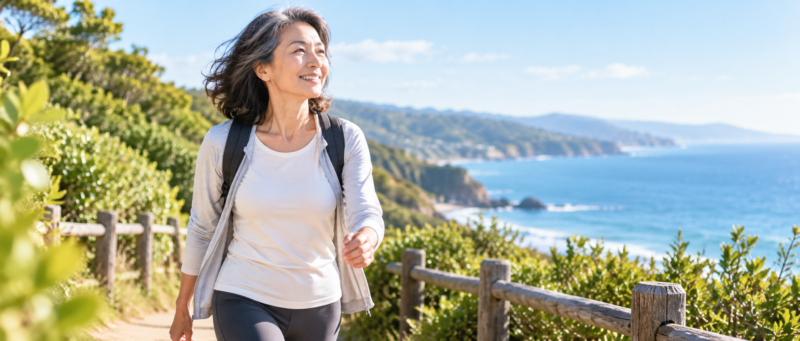
A healthy Japanese old woman
When looking at the chemical breakdown of natto, it’s easy to see why it’s such a superfood. Natto has no cholesterol, and also contains lots of potassium and dietary fiber, two of the elements responsible for cleaning out the arteries. Because natto is fermented, the bacteria it contains helps to clean out the gut while the enzyme nattokinase cleans out the blood vessels. Vitamins, protein, and iron are all abundant in natto as well, making it not only healthy food to consume, but a good weight loss food that is both filling and nutritious.
Natto
Recipe Preparation
When
making a dish with natto, there are many methods for preparation. In Japan, it
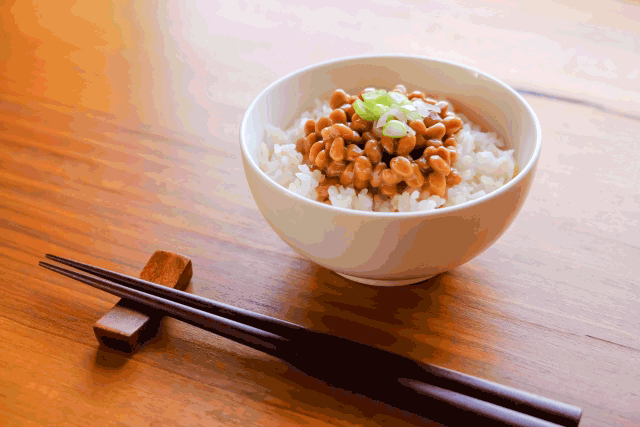
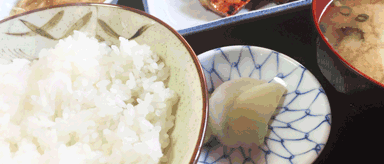
is commonly served with rice and fermented vegetables. This way of serving
natto is a traditional breakfast in Japan. Another
way to eat natto is to
whip it with a fork, making it into a sort of fluffy paste, and then use apple
cider vinegar, mustard, and cultured vegetables to add more flavor. It is, as
mentioned above, an acquired taste, so finding a way to prepare it that works
for you and your loved ones is best.
As more evidence comes out that much of menopause is influenced by lifestyle, more so than genetics, it’s important to consider healthy diet and exercise choices that can minimize any difficult symptoms of menopause. Natto is one of the foods that can best alleviate negative symptoms while working to ensure healthy flow of systems in the body.
When it comes to having healthy bones as you age, one of the best things you can do is exercise. Like muscles, bones are, quite simply, living tissue. Always changing, always growing, always capable of strengthening. Through food and supplemental choices, one can bolster the body’s ability to fortify bones with calcium, vitamin D and phosphorus, but another important component, especially when combating risk of osteoporosis, is exercise..
Simple, specific movements, specifically when working against gravity or using weight as resistance are two of the best ways to improve bone strength. In general, humans reach their peak bone mass in the third decade, and from that span of time, are in a slightly degenerative process that requires more attention and care to support healthy bones. Starting a daily exercise routine, 30 minutes as many days as possible, as recommended by the Surgeon General, is one of the best ways to weave healthy habits into your daily life.
Anti-Gravity Exercises
When working to strengthen aging bones, some of the best exercises require minimal investment. Walking, jogging, and hiking are three ways that your body is working against gravity, and three ways that your bones can strengthen over time. The force that you exert as you lift and lower, move and stretch your legs, is one of the best ways for the body to work within its own limits, to use what is naturally available, in order to become stronger. Similarly, other anti-gravity exercises could be playing tennis, dancing, or climbing stairs. All of these activities, with the exception of tennis, require no financial investment in other objects, like a racquet or a ball. There are dance classes available for all ages, and all stages of dance, in most cities, and dancing on your own, or with the assistance of online videos, is always an option. Finally, climbing stairs, whenever you get the chance, rather than taking the escalator or the elevator, is a direct way you can strengthen your bones. Think about it with each step: my bones are getting stronger.
Resistance Training
Coupling anti-gravity exercises with resistance exercises is the best combination you could create. Resistance exercisesare essentially strength training and using weights to improve muscles and bones. It essentially uses force to strengthen. Higher weights with shorter repetitions are recommended for younger folks, but as we age, higher weights may not be as feasible for older folks. Newer studies have shown that light weights coupled with a lot of repetitions also work to increase bone density. Noting that osteoporosis most often affects the hips, wrists, and vertebrae in the spine. The hip bones, or pelvis, can be strengthened with leg lifts, squats, lunges (weighted or not), and other types of weighted movement with resistance bands. For wrists, strengthening the ulna and radius, the two bones that are below the elbow, as well as the humerus, can all help the bones in the wrist. Various combinations of bicep and tricep exercises, as well as lateral lifts and even light bench pressing, can help strengthen this part of the body.
Taking Care of the WholeOverall, while exercise is a vitally important component of bone strength, it should be paired with healthy food and daily supplements to help bones to become as healthy as possible. These exercises can be practiced in small moments of daily life, even at an office or at home, rather than at a gym. Walking, taking the steps, and lifting light weights above the head (even if it’s a book or an object in the office) are ways that you can bring health into everyday practices.



 “