Difference Between Perimenopause and Premenopause: Key Distinctions Explaine

What is the difference between perimenopause and premenopause? This is a question sometimes searched. It may be apparent for some people, but maybe confusing for others.

Here let us explain the difference and issues around them.

Definition of Perimenopause and Premenopause

What is Perimenopause?

Perimenopause is a transitional phase in a woman’s reproductive life, occurring several years before menopause. During perimenopause, hormonal fluctuations occur due to the natural decline in ovarian function which ultimately leads to reproductive cessation. The duration of perimenopause can vary, typically starting in a woman’s 40s, but sometimes in the 30s. Symptoms may include irregular menstrual cycles, hot flashes, night sweats, sleep disturbances, and mood swings. Unlike premenopause, which refers to the period of a woman’s life before any menopausal symptoms or hormonal changes, perimenopause represents the time when these hormonal shifts and symptoms begin to occur. Eventually, perimenopause transitions into menopause, which is confirmed after 12 consecutive months without menstruation.

What is Premenopause?

Premenopause is the stage in a woman’s life leading up to menopause, characterized by a gradual decline in estrogen levels and changes in the menstrual cycle. It is distinct from perimenopause, which is the phase immediately before menopause when hormonal fluctuations become more pronounced. Premenopause typically begins in a woman’s mid to late 30s or early 40s and can last for several years. During this time, women may experience irregular periods, changes in menstrual flow, and other symptoms related to hormonal imbalances. It is essential to understand the difference between premenopause and perimenopause to manage symptoms effectively and navigate the transition to menopause more smoothly.

Hormonal Changes

Hormonal Fluctuations in Perimenopause

Perimenopause is characterized by significant hormonal fluctuations, which can cause various physical and emotional symptoms. During this time, estrogen and progesterone levels rise and fall unevenly, leading to irregular menstrual cycles, hot flashes, night sweats, and mood swings.

The main difference between perimenopause and premenopause lies in the hormonal changes experienced in each stage. In perimenopause, these fluctuations are more pronounced as the body undergoes adjustments in preparation for menopause. Some women may experience more symptoms and discomfort during this period, while others may have fewer or no noticeable changes.

Hormonal Stability in Premenopause

Premenopause refers to the phase when a woman is still menstruating and has not experienced any major hormonal fluctuations or decline in fertility. This stage typically occurs between puberty and perimenopause.

Hormonal stability in premenopause signifies that women’s reproductive hormone levels are relatively consistent, and their menstrual cycles continue with minimal disruptions. This contrasts with the hormonal changes experienced during perimenopause, which are marked by significant fluctuations and a range of physical and emotional symptoms. In premenopause, hormonal balance is maintained, ensuring regular menstrual cycles and preserving fertility, while in perimenopause, this balance begins to shift as the body prepares for menopause.

Natural menopause supplement from Japan: Juveriente® Effisoy®

Safe and moderate healing backed by a lot of happy reviews

Juveriente®’s Effisoy, launched in 2016, based on fermented soy bean germ extract has been loved as a natural menopause relief since its launching in 2016. 

Its primary function is to boost the weakened synthesis of a hormone precursor, DHEA. It helps the precursor, DHEA, and then help men and women respectively in line with their natural systems. The hormone boost doesn’t provide the only relief from menopausal symptoms including insomnia by regulating the heathy hormone balance. It will help you balance hormones during premenopause, perimenopause, or postmenopause.

Here are some of the real product reviews in our Amazon shop.

“Restful sleep finally!!”, “I Am Now Free of Hot Flashes!!”, “Lifesaver”

LEARN MORE About Effisoy, made of fermented soy bean germ
The only supplement to contain fermented soy isoflavone beside Japan. 

Extreme Fatigue for No Reason: Causes and Solutions

Do you ever find yourself feeling utterly exhausted, even when you can’t pinpoint any specific reason for your fatigue? Welcome to the world of “extreme fatigue for no reason,” where countless individuals struggle with unexplained tiredness. This pervasive issue can impact your daily life, productivity, and overall well-being. In this article, we will delve into the potential causes of this seemingly inexplicable exhaustion, as well as provide you with practical solutions to reclaim your energy levels and vitality. Read on to understand what’s behind your unrelenting fatigue and how you can overcome it.

Understanding Extreme Fatigue

Defining Extreme Fatigue

Extreme fatigue for no reason refers to an overwhelming and persistent sense of tiredness or exhaustion that seemingly occurs without a discernible cause.

This type of fatigue often leaves individuals struggling to perform daily tasks and can begin to negatively impact both their physical and mental well-being. Unlike typical tiredness that is temporary and can be relieved with rest, extreme fatigue is not easily remedied and may persist for an extended period of time.

It’s essential to identify the underlying causes, which can include sleep disorders, stress, poor nutrition, or medical conditions, and implement appropriate solutions such as lifestyle changes, therapy, or medical intervention to address and alleviate the fatigue.

Common Symptoms of Extreme Fatigue for No Reason

Extreme fatigue for no reason can be a perplexing condition that leaves people feeling exhausted and drained without any identified cause. This type of fatigue goes beyond normal tiredness and can last for days, weeks, or even months.

Common symptoms associated with extreme fatigue can include difficulty waking up in the morning, persistent tiredness throughout the day, lack of motivation, difficulty concentrating, forgetfulness, irritability, headaches, muscle weakness, and an overall feeling of being unwell.

These symptoms can have a significant impact on a person’s daily life, making it challenging to perform tasks and engage in social interactions. Identifying the causes of extreme fatigue is crucial for finding effective solutions and improving one’s quality of life.

Possible Causes of Extreme Fatigue for No Reason

Anemia

Anemia occurs when your body lacks enough healthy red blood cells, leading to insufficient oxygen supply to your tissues. This results in tiredness, weakness, and overall exhaustion. Common causes of anemia include iron deficiency, vitamin B12 deficiency, chronic diseases, and certain genetic conditions.

Sleep Disorders

Extreme fatigue for no reason can often be attributed to various sleep disorders, which can impact an individual’s energy levels and overall health. Some common sleep disorders include insomnia, sleep apnea, restless leg syndrome, and narcolepsy. Insomnia involves difficulty falling or staying asleep, leading to prolonged periods of fatigue. Sleep apnea is characterized by interrupted breathing during sleep, causing poor sleep quality and daytime sleepiness. Restless leg syndrome, a neurological disorder, can cause discomfort or an uncontrollable urge to move the legs, leading to sleep disturbances. Narcolepsy is a chronic sleep disorder resulting in excessive daytime sleepiness, sleep attacks, and even hallucinations. If you experience extreme fatigue without a clear cause, it may be worthwhile to consult a healthcare professional for further evaluation and potential treatment options.

Thyroid Problems

Extreme fatigue for no reason could be a result of thyroid problems, as the thyroid gland plays a crucial role in regulating the body’s metabolism and energy production. Two common thyroid issues that can cause extreme fatigue are hypothyroidism (underactive thyroid) and hyperthyroidism (overactive thyroid).

In hypothyroidism, the thyroid gland doesn’t produce enough thyroid hormones, causing the body’s metabolic processes to slow down. This can lead to symptoms such as unexplained weight gain, cold intolerance, dry skin, and extreme fatigue. Hypothyroidism can be caused by an autoimmune disease called Hashimoto’s thyroiditis, iodine deficiency, or damage to the thyroid gland.

On the other hand, hyperthyroidism occurs when the thyroid gland produces too much thyroid hormone, speeding up the body’s metabolism. Symptoms of hyperthyroidism often include unintentional weight loss, heart palpitations, anxiety, increased sweating, and exhaustion. Causes of hyperthyroidism include an autoimmune disease called Graves’ disease, inflammation of the thyroid gland, or thyroid nodules.

Both conditions can be diagnosed through blood tests that check the levels of thyroid hormones and can usually be managed with appropriate medication or treatment. If you experience extreme fatigue without any apparent reason, it is crucial to consult a healthcare professional for proper evaluation and diagnosis.

Chronic Fatigue Syndrome

One primary cause of unexplained, persistent fatigue is Chronic Fatigue Syndrome (CFS), also known as Myalgic Encephalomyelitis (ME). CFS is a complex disorder that is not yet fully understood, but it is characterized by extreme fatigue that cannot be attributed to any underlying medical condition.

The exact cause of CFS is still unknown, but some theories suggest it may be related to viral infections, immune system disorders, hormonal imbalances, or psychological factors. Risk factors for CFS include a history of allergies or mental health issues, as well as genetic predisposition.

Symptoms of CFS may include unrefreshing sleep, difficulty concentrating, and chronic pain. It is essential to consult a healthcare professional for proper diagnosis and treatment options, as the symptoms of CFS can overlap with other medical conditions. Treatment typically focuses on managing symptoms and improving quality of life, and may include a combination of medication, therapy, and lifestyle adjustments.

Depression

Depression is a mood disorder that affects how you feel, think, and handle daily activities. Often, individuals dealing with depression experience constant exhaustion and lack of energy, even when they have had sufficient rest.

While there could be numerous reasons for unexplained fatigue, depression is a common cause due to its impact on the body’s hormonal levels and brain chemicals. The changes in hormones and neurotransmitters may disrupt sleep patterns, appetite, and general well-being, leading to the experience of persistent tiredness. Additionally, the low motivation, negative thoughts, and feelings of helplessness often associated with depression can exacerbate the sensation of extreme fatigue.

Dehydration

One possible cause is dehydration. When your body doesn’t receive enough water, it can lead to several issues, including extreme fatigue. Dehydration can result from insufficient water intake, excessive sweating, diarrhea, or vomiting. As water is essential for proper bodily functions, lack of it can negatively impact your energy levels, causing you to feel unusually tired.

To prevent dehydration, it is essential to drink enough fluids throughout the day, especially during hot weather or when engaging in physical activities. Other symptoms of dehydration may include dizziness, dark urine, headaches, and dry mouth or skin.

Nutrient Deficiencies

Here are some essential vitamins you need sufficient intake to prevent extreme fatigue.

Extreme fatigue for no reason can be caused by various nutrient deficiencies. Some of these include:

1. Iron deficiency anemia: A lack of iron in the body results in a lower production of hemoglobin, which is responsible for transporting oxygen to the cells. This can lead to extreme fatigue, weakness, and shortness of breath.

2. Vitamin D deficiency: Vitamin D helps maintain bone health and supports the immune system. A deficiency can result in muscle weakness, fatigue, and mood changes.

3. Vitamin B12 deficiency: Vitamin B12 is essential for nerve function and red blood cell production. B12 deficiency symptoms include fatigue, weakness, and anemia.

4. Magnesium deficiency: Magnesium plays a vital role in energy production and muscle function. A deficiency can cause fatigue, muscle cramps, and weakness.

5. Potassium deficiency: Potassium aids in muscle function and helps maintain the body’s balance of fluids. When potassium is low, one can experience fatigue, muscle cramps, and weakness.

A well-balanced diet and appropriate supplementation can help correct these nutrient deficiencies and alleviate extreme fatigue. Additionally, consult a healthcare professional for proper diagnosis and personalized treatment recommendations.

Fibromyalgia

One possible cause is fibromyalgia, a chronic disorder characterized by widespread musculoskeletal pain, tenderness, and fatigue. People with fibromyalgia often experience extreme fatigue even after a full night’s sleep. This is due to disrupted sleep patterns and non-restorative sleep.

Stress and Anxiety

Extreme fatigue for no apparent reason can be perplexing and concerning. One potential cause is stress and anxiety. When an individual encounters stressful situations or mental tension, the body releases stress hormones, which can lead to various physical and psychological manifestations. Among these is fatigue, as the body may be constantly on high alert or struggling to relax. This often leaves a person feeling physically drained.

Additionally, mental and emotional strain caused by anxiety can sap one’s energy, leading to constant exhaustion. It is essential to address the sources of stress and anxiety, develop coping techniques, and seek professional help if necessary to manage fatigue.

Medications and Substances

Extreme fatigue for no reason may be caused by various medications and substances. Some common contributors include sedatives, antihistamines, blood pressure medications, antidepressants, and anti-anxiety drugs, which can cause drowsiness or lethargy. Consuming excessive amounts of alcohol, caffeine, or nicotine can also lead to fatigue.

Additionally, illicit drugs, such as opioids or stimulants, and certain prescription medications, like sleeping pills or muscle relaxants, may contribute to extreme tiredness.

Furthermore, exposure to toxins or allergens, as well as withdrawal from certain substances, may cause extreme fatigue. It is important to discuss any unexplained fatigue with a healthcare professional to determine the underlying cause and appropriate treatment.

Take Effisoy® if hormonal imbalance with aging lies behind the extreme fatigue  for no reason.

Juveriente®’s Effisoy, launched in 2016, based on fermented soy bean germ extract has been loved as a natural menopause relief since its launching in 2016. 

Its primary function is to boost the weakened synthesis of a hormone precursor, DHEA. It helps the precursor, DHEA. Rebalancing the precursor will eventually recover your hormones in line with your natural balance. It will help you refresh your various functions and alleviate your fatigue. 

Here are some of the real product reviews in our Amazon shop.

“Restful sleep finally!!”, “I Am Now Free of Hot Flashes!!”, “Lifesaver”

LEARN MORE About Effisoy, made of fermented soy bean germ
The only supplement to contain fermented soy isoflavone beside Japan. 

Beauty sleep for skin: How can I improve my sleep quality for my skin?

Beauty sleep for skin

Beauty sleep for skin is one the matters most women want to know.
Just as an example, you tend to shorten your sleep time when you’re busy working late at night or doing housework,
Regarding sleep, “The golden time for your skin is from 10:00 p.m. to 2:00 a.m. Sleeping during that time is better to keep your skin’s cycle intact.”

We often hear, “It’s good to sleep eight hours daily.” But even if you know it as knowledge, not many people can do it.
Sleep and skin have a deep relationship. You will need beauty sleep for your skin because your sleep tends to be irregular as you grow up.

The deep relationship between skin and sleep

Lack of sleep makes getting rid of daily fatigue difficult and causes rough skin. Mammals live in a system that sleep repairs the damage received during the day. That’s the reason. In other words, lack of sleep is the enemy of beautiful skin. Here, we discuss the specific relationship between sleeping and beautiful skin.

Sleep affects skin turnover.

Skin turnover is the metabolism and rebirth of cells that occur in the outermost layer of the skin (epidermis).
When you get beauty sleep, the growth hormone that encourages this turnover will be secreted. Growth hormone not only supports the promotion of turnover but also promotes cell division and protein synthesis. It also works to recover fatigue and skin damage during the day. For this reason, we can say that taking high-quality sleep, which is beauty sleep for the skin, promotes the skin’s metabolism and creates beautiful skin without any problems. And it is also effective in relieving fatigue during the day.

Beauty sleep for skin is a deep sleep.

Sleep quality refers to the depth of sleep. Profound sleep is about 3 hours after falling asleep, and after deep sleep, “non-REM sleep,” light sleep, “REM sleep” alternates. During sleep, one set of this “non-REM sleep” and “REM sleep” is repeated for about 90 minutes. They say that if you want to wake up refreshed, it is good to calculate so that you will wake up during light sleep, “REM sleep,” so please try it during a nap when you can not sleep for a long time.

Lifestyle habits for your beauty sleep for skin

If you don’t get enough sleep, it will hamper the turnover that encourages the rebirth of your skin. Therefore, lack of sleep or poor sleep quality may lead to skin problems such as rough skin and acne. If you always feel like you’re not getting enough sleep, the quality of your sleep may be related to the lack of sleep. Better to improve the quality of sleep by reviewing lifestyle habits and actions.

You’ve learned that lack of sleep causes rough skin and that sleep quality is vital to keep your skin in good condition. Here are some tips you should know for your beauty sleep for skin. Please try to take care of yourself with your daily care.

Bathe in the morning sun

Exposing yourself to sunlight after waking up helps regulate your internal clock and improves your sleep. They say that exposure to sunlight immediately after waking up in the morning resets the body’s 24-hour rhythm, making it easier to fall asleep in the night and have a clearer head in daytime.
Sunlight is also closely related to the hormone serotonin, which plays an essential role in sound sleep. Serotonin stimulates the release of melatonin, a hormone that promotes natural sleep. Your body secretes serotonin by exposure to sunlight, and melatonin is said to be secreted about 14 to 16 hours after the serotonin secretion.

It’s a good idea to make it a habit to bathe in the sun every morning to help you fall asleep naturally at night. Always wear sunscreen when you are in the sun for long periods to prevent your skin from burning or drying out in the sun.

Prevent dryness with good moisturizing care.

Dry air and sleep patterns during sleep can dry out your skin and cause external stimuli, so applying sufficient moisturizing care with basic cosmetics after bath soaking* is necessary. Don’t just use lotion; cover your face with milky lotion or cream to keep it moisturized. You should use highly moisturizing products that keep you moisturized for a long time while you sleep. It would be better to stick to the shape, such as using a gel type that stays on the skin for a long time rather than a lotion type.

For those who find it troublesome to apply multiple coats, it is better to use an all-in-one item that functions as a lotion, milky lotion, and serum. With just one application, you can effectively apply the necessary moisture and oil to your skin in a well-balanced manner to take care of your skin correctly, even on a tired day.

*”bath soaking” hear means the Japanese style bath soaking. If you don’t have a Japanese bath at home (most people won’t outside Japan), you have alternative options to get the same benefits. 

Sleep in pajamas and loungewear that are gentle for the skin.

We recommend pajamas that are not too constricting, have excellent absorbency, and are breathable.
People tend to sweat about a cup while sleeping, so avoiding clothing that doesn’t breathe well is best.
Also, choosing one that feels good on your skin is essential. Choosing clothes that are comfortable to the touch is vital, as materials that stick to your skin or make you feel uncomfortable in your sleep may interfere with it. You’ll wear it for a long time, so look for products that will keep you comfortable in bed.
Sleeping in clothes with low breathability can cause heat rashes in the summer. Suppose you scratch your skin while you sleep or are concerned about skin problems such as eczema. In that case, it is a good idea to consult a dermatologist and get expert advice on pajama materials and care methods.

To relax

You may not be able to fall asleep smoothly if you are in a state of excitement or if you are not calm due to stress. By calming the mind and body, the parasympathetic nervous system becomes dominant. It can lead to a state where it is easier to fall asleep. Create a relaxing atmosphere.

You should avoid strenuous exercise before bedtime, but some gentle exercise, such as yoga or stretching, will help you fall asleep by loosening and relaxing your body. Suppose you stretch after a bath soaking*when your blood circulation is good, and your body is warm. You can stretch your body without difficulty in that time.
Ideally, it is good to take a bath* 1.5 to 2 hours before bed, not just before bed. They say that drowsiness occurs when the body temperature rises temporarily before falling asleep and then when the body temperature drops. Better to take a warm bath than a sauna.

NG actions to hamper beauty sleep for skin

Here, I discuss some things you should avoid for your beauty sleep for skin. They are small things, but you can tend to do them easily if you don’t care consciously.

Avoid strenuous exercise

When you exercise vigorously, the sympathetic nervous system becomes dominant, and you become alert. It makes you hard to fall asleep. It’s a good idea to finish your exercise 3 hours before bedtime for a good night’s sleep.

Refrain from eating

As with vigorous exercise, eating at least three hours before bed is best so you digest food before you sleep. If you eat shortly before falling asleep, the hormone leptin activates the gastrointestinal tract. It consumes energy in the body to digest food, resulting in light sleep. You may not be able to get a good night’s sleep as the quality of your sleep may fall poor. If you come home late and have to eat before bed, choose foods that are easy to digest. Be careful not to lie down immediately after eating, as this can lead to indigestion.

Do not use smartphones, computers, etc.

Be aware that the blue light emitted by bright screens on electronic devices can make it difficult to fall asleep. Exposing yourself to strong light before going to bed may interfere with melatonin secretion, making you wakeful and less likely to fall asleep. It’s a good idea to set a rule and make it a habit, such as not touching your smartphone when you go to bed at night.

When menopause make you sleepy, try a natural supplement from Japan.

Juveriente®’s Effisoy, launched in 2016, based on fermented soy bean germ extract has been loved as a natural menopause relief since its launching in 2016. 

Its primary function is to boost the weakened synthesis of a hormone precursor, DHEA. It helps the precursor, DHEA, and then help men and women respectively in line with their natural systems. The hormone boost doesn’t provide the only relief from menopausal symptoms including insomnia but also general aging issues by regulating the heathy hormone balance. It is not limited only for menopause people, but also after menopause or older. 

Here are some of the real product reviews in our Amazon shop.

“Restful sleep finally!!”, “I Am Now Free of Hot Flashes!!”, “Lifesaver”

LEARN MORE About Effisoy, made of fermented soy bean germ
The only supplement to contain fermented soy isoflavone beside Japan. 

Collagen for bone and joint health

Estrogen, one of the female hormones, promotes collagen production in the human body. It retains the firmness and luster of the skin. If female hormones are insufficient, collagen production will not go well. You will need to balance female hormones in natural ways. But today, we will discuss collagen for bone and joint health.

Decrease in bone quality due to deterioration of collagen
for bone and joint health

Collagen for bone and joint health is critical in caring for bone health. Calcium is not the only component of bones. About 50% of the volume consists of collagen. Bone requires hardness and suppleness; “bone density” due to mineral components such as calcium creates hardness, and “bone quality” due to collagen makes suppleness.

rebar concreteIf you compare the bones to a reinforced concrete building, the reinforcing bars that make up the framework are collagen, and the concrete is calcium. Calcium and other substances adhere to where the elastic collagen stretches the tissue to form the bone. Just as a building crumbles when rebar deteriorates, bones cannot stay maintained without healthy collagen.

Osteoporosis, likely to cause bone fractures, is a condition in which calcium and other substances decrease, creating gaps in the bones and making them fragile. Bone density is an indicator of this. However, we have recently found that osteoporosis can occur due to the deterioration of bone collagen, even if there is no problem with bone density.

Risk of deteriorated collagen for bone and joint health

The cartilage in the knee joint is only a few millimeters thick!

Knee joint pain is more common among middle-aged and older people than osteoporosis. Many of them are due to the deterioration of cartilage function due to aging.
Cartilage is an elastic and soft bone that contains a lot of collagen fibers and hyaluronic acid. It exists in the joints between bones and plays a significant role in absorbing the impact during exercise. Still, it is a thin layer, and the knee cartilage is only a few millimeters thick.

As we age, the collagen fibers in our cartilage deteriorate, causing the cartilage to wear down and become unable to act as a cushion. The bones come into direct contact with each other, causing pain. In addition, since the subchondral bone, which is the base of cartilage, is strongly impacted, it also causes bone deformation. Collagen for bone and joint health plays such a critical role.

What foods contain a lot of collagen?

Foods that contain a lot of collagen for bone and joint health are animal foods and marine foods. Animal foods include chicken wings, bones, pig feet, and beef tendons. Marine foods include shark fins, flatfish, fish skins, and eels. In addition, gelatin is a food made by heat-processing animal collagen. Gelatin is absorbed faster than collagen contained in food, so you can easily take collagen by mixing it with drinks or using jelly.

Rebalance your hormone and refresh your collagen synthesis capacity.

We have been discussing the deterioration of collagen for bone and joints due to hormonal imbalance and how to address it. While intake of collagen from foods is crucial, it will also help you if you improve the root cause, hormonal imbalance in an natural way.

Juveriente®’s Effisoy, launched in 2016, based on fermented soy bean germ extract has been loved as a natural menopause relief since its launching in 2016.

Its primary function is to boost the weakened synthesis of a hormone precursor, DHEA. It helps the precursor, DHEA, and then help men and women respectively in line with their natural systems. The hormone boost doesn’t provide the only relief from menopausal symptoms. But, it also supports various aging issues including your collagen synthesis capacity. It is not limited only for menopause people, but also after menopause or older.

Here are some of the real product reviews in our Amazon shop.

“Restful sleep finally!!”, “I Am Now Free of Hot Flashes!!”, “Lifesaver”

LEARN MORE About Effisoy, made of fermented soy bean germ
The only supplement to contain fermented soy isoflavone beside Japan. 

Menopause make you sleepy. Why? How can I address it?

Why does menopause make you sleepy?

If drowsiness and sluggishness persist, menopause may be the cause. When you think of menopause, you may imagine poor physical conditions peculiar to women. However, recent studies have shown that menopausal disorders can occur in women and men. Thus, menopause make you sleepy in both genders.

In this post, we will explain in an easy-to-understand manner the typical symptoms of menopause, the characteristics of male menopause (LOH syndrome), and why menopause make you sleepy.

What are menopausal disorder?

Menopause is a term that refers to the period from the 40s to 50s when the secretion of sex hormones declines. For women, it generally refers to the period before and after menopause when the secretion of the ovarian hormone estrogen decreases. You may have an image of a period peculiar to women for menopause. But it also affects men. For men, menopause occurs after age 40 when testosterone levels in the testicles decrease.

Menopausal disorders are mental and physical disorders that are likely to occur during menopause.

Common symptoms of menopause are called menopausal disorders. The menopausal disorders are very similar to those of autonomic imbalance. Both disorders include physical symptoms such as hot flashes, palpitations, shortness of breath, abnormal sweating, headache, dizziness, tinnitus, frequent urination, and psychiatric symptoms like depression, anxiety, irritability, and sleep disorders.

Menopausal disorder for men is called male menopause (LOH syndrome). Male menopause is characterized by symptoms peculiar to men, such as decreased libido and erectile dysfunction (ED), in addition to the above. According to the Ministry of Health, Labor and Welfare of Japan, “Awareness Survey on Menopausal Symptoms and Disorders,” the proportion of men and women with the slightest impact on their daily lives has reached approximately 30%. (*)

*Source: Ministry of Health, Labor and Welfare. “Awareness Survey on Menopausal Symptoms and Disorders.”

Two causes why menopause make you sleepy

A common symptom of menopause is excessive daytime sleepiness. Especially in women, sleep disorders are common during menopause. According to the Ministry of Health, Labor and Welfare’s “2019 National Health and Nutrition Survey Results,” about 40% of women in their 40s and 50s average less than 6 hours of sleep, and sleep time is shorter than before menopause. You can see that in a report of a Japanese health ministry. (*)
Some may wonder, “Why am I sleepy during menopause?” They say that there are two leading causes of why menopause make you sleepy.

    1. Hormonal imbalance
    2. Disruption of the sleep cycle due to aging

During menopause, the secretion of sex hormones such as estrogen and testosterone decreases, causing hormonal imbalance. Disturbances in hormone balance lead to disruptions in the autonomic nervous system that regulates the body. Therefore, menopause often make you sleepy.

Menopause is also when the sleep cycle is likely disturbed due to aging. Sleep time decreases with age and the number of awakenings in the middle of sleep increases. The decrease in the number of REM sleep, which affects the quality of sleep, is one of the reasons why menopause make you sleepy.

Human sleep consists of REM sleep, during which you dream, and non-REM sleep, in which you rest your brain. Since REM sleep is the pre-deep sleep phase, a decrease in REM sleep frequency leads to inadequate sleep.

*Source: Ministry of Health, Labor and Welfare. “Results of the 2019 National Health and Nutrition Survey”.

How to deal with menopause that make you sleepy

Menopause is a disease that can affect anyone regardless of gender. How should I deal with the symptoms of menopause? Here are two ways to deal with menopause.

    1. Live a regular life
    2. Consult an expert

First, it is essential to review your daily lifestyle to improve the autonomic nervous system disorder peculiar to menopause. If you find it difficult to sleep during the day, try the following lifestyle habits to improve the quality of your sleep.

    1. Keep wake-up and bedtime consistent
    2. Soak in the sun every morning
    3. Keep exercising regularly
    4. Get relaxed with habits such as reading and stretching before bed
    5. Do not look at your smartphone or TV screen for a long time before going to bed
    6. Avoid drinking a nightcap, etc.

When you are unsure, please consider talking to your family doctor. If abnormal sleepiness continues, there may be a hidden cause other than menopause. It is essential to consult a medical institutions.

When menopause make you sleepy, try a natural supplement from Japan.

Juveriente®’s Effisoy, launched in 2016, based on fermented soy bean germ extract has been loved as a natural menopause relief since its launching in 2016. 

Its primary function is to boost the weakened synthesis of a hormone precursor, DHEA. It helps the precursor, DHEA, and then help men and women respectively in line with their natural systems. The hormone boost doesn’t provide the only relief from menopausal symptoms. But, it also supports various aging issues and increases metabolism, which leads to weight loss. It is not limited only for menopause people, but also after menopause or older. 

Here are some of the real product reviews in our Amazon shop.

“Restful sleep finally!!”, “I Am Now Free of Hot Flashes!!”, “Lifesaver”

LEARN MORE About Effisoy, made of fermented soy bean germ
The only supplement to contain fermented soy isoflavone beside Japan. 

Dry hair during menopause and other issues

In your 40s and 50s, you may feel or might have felt that your hair is dryer and less manageable than it was when you were younger. It is dry hair during menopause.

 The secretion decrease of female hormones

Menopause and hair are closely related. Estrogen is a type of female hormones responsible for hair growth and maintenance. Most people in their late 20s, when female hormone secretion peaks, are in good hair condition. Hair bounce and volume are also sufficient. In your 30s, female hormones decrease gradually, and dry hair. Dry hair during menopause tends to absorb moisture and get frizzy in humidity.

When you reach menopause in your 40s and 50s, the female hormone secretion drops sharply, and the quality of your hair declines, such as loss of firmness and stiffness, hair thinning, and dryness. This trend becomes more noticeable, and, in addition, the hair may get thinner.

Life style and dry hair during menopause

Unhealthy lifestyle habits can disrupt the balance of female hormones. So the first thing you should do is review your lifestyle and keep it better.

Sleeping well, eating a well-balanced diet, and avoiding stress are essential. I also recommend taking foods to balance your hormones. In Japan, it is common sense that fermented soy food helps balance hormones. They usually take it as miso soup.

Hair care items for your age

Scalp condition change with age

In addition, the scalp environment changes with age, so please review your hair care items and use hair care products that suit your scalp.

You may suffer from hair getting frizzy, hair loss, and thinning hair as you age. Even though your hair is naturally straight, it can become frizzy as you age because the loss of estrogen causes the loss of hair elasticity and bounce. But the scalp condition change is also a critical cause. The sagging scalp distorts pores, and damage such as perms and hair coloring accumulates.

Also, although the timing differs from person to person, some people suffer from thinning hair due to increased hair loss due to decreased female hormone secretion and dry scalp.

Pick hair care items in line with your issues.

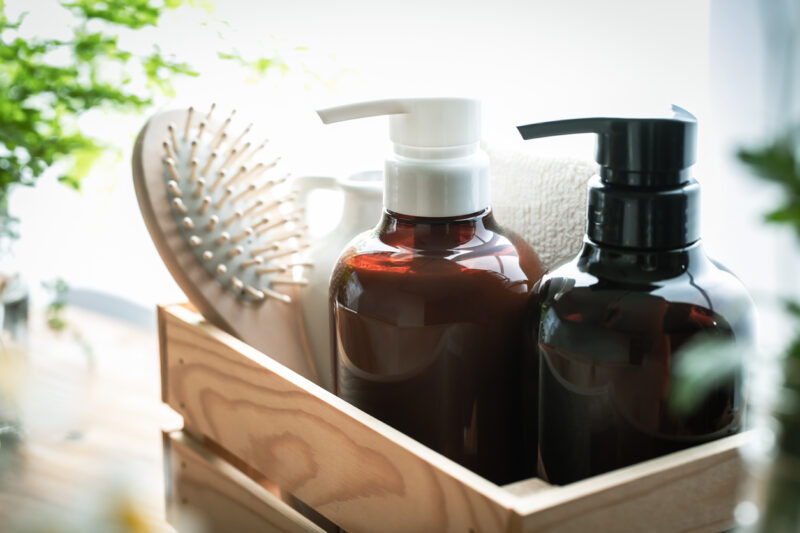
hair care items for menopasue
Shampoo, conditioner, hair care

Both issues, the deteriorated hair condition and hair loss, will make you look old if left untreated. Let’s start hair care in line with the condition of your age including the dry hair during menopause.

Cover up the lack of volume in your hair with a styling product that gives luster and manageability to unfamiliar, acquired curly hair.

Two characteristics of hair quality changes with aging are loss of bounce and dry hair during menopause. It is vital to use hair care items that give strength and elasticity to weakened hair and moisturize to prevent dryness.

Some recommendations

For those who have started worrying about changes in hair quality due to aging, we will introduce two hair care products that you can easily continue daily to improve lost hair bounce and dry hair during menopause.

natural foodsShampoo and treatment are the most familiar and everyday hair care items. When hair quality changes due to aging, the shampoo, and conditioner you have used since you were younger may no longer suit you.

The detergency of shampoo varies depending on the type of surfactant contained.

Suppose your hair is getting weaker and thinner as you get older. In that case, we recommend using a product with a mild detergency that leaves a moderate amount of sebum to maintain moisture on the scalp, which tends to dry out.

Specifically, we recommend you an amino acid-based or betaine-based shampoo.

The conditioner used together may include keratin, a protein that makes up most of the hair, and hematin, which combines with keratin to repair the hair and adjust the texture, giving the hair firmness and elasticity.

Help balance your hormones with a natural supplement

Japanese staple, Miso, fermented soybean paste, helps Japanese women to balance their hormones in menopause. When it’s not easy outside Japan, we recommend to take it by a natural supplement.

Juveriente®’s Effisoy, launched in 2016, based on fermented soy bean germ extract has been loved as a natural menopause relief since its launching in 2016. It has gained reputation as a menopause supplement. In addition, it also has high anti-oxidant power coming from fermented soy. Isoflavone aglycone contained in Effisoy® has about 1,000 times of anti-oxidant potency than standard isoflavones. 

Its primary function is to boost the weakened synthesis of a hormone precursor, DHEA. It’s safe as it only heals the natural synthesis function. The hormone boost doesn’t provide the only relief from menopausal symptoms. But, it also supports various aging issues including hair quality deterioration. It is not limited only for menopause women, but also after menopause or older. 

Here are some of the real product reviews in our Amazon shop.

“Restful sleep finally!!”, “I Am Now Free of Hot Flashes!!”, “Lifesaver”

LEARN MORE About Effisoy, made of fermented soy bean germ
The only supplement to contain fermented soy isoflavone beside Japan. 

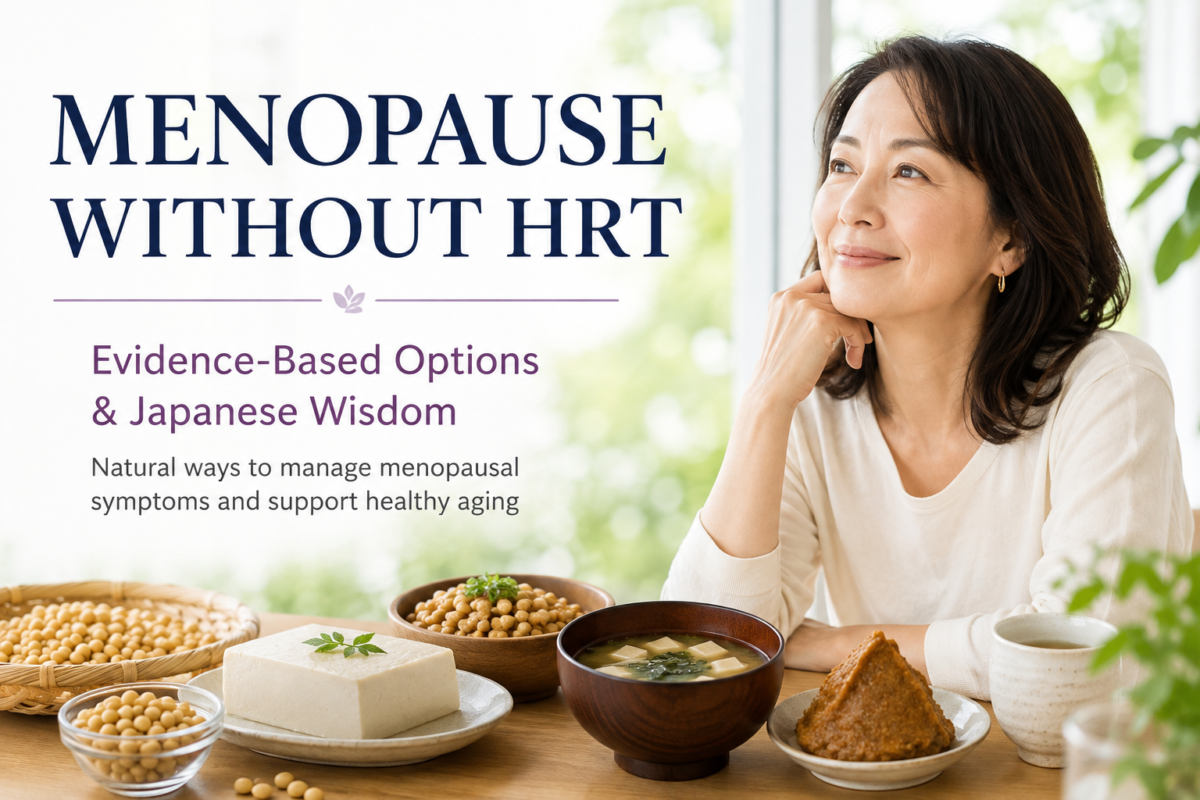
Menopause Without HRT: Evidence-Based Ways to Manage Symptoms Naturally

Menopause is a natural stage of life, but every woman experiences it differently.

Some women go through menopause with relatively few symptoms. Others struggle with hot flashes, night sweats, sleep problems, mood changes, fatigue, and other symptoms that can interfere with everyday life.

Hormone replacement therapy (HRT) can be a highly effective treatment for menopausal symptoms. However, some women cannot use HRT for medical reasons, while others simply prefer to explore nonhormonal approaches first.

So, can you manage menopause without HRT?

For many women, the answer is yes.

But choosing not to use HRT does not mean doing nothing. Nor does it mean relying only on “natural remedies.”

Today, women have a range of options, from nonhormonal medical treatments to exercise, diet, sleep, and stress management.

At Juveriente®, we have also spent years looking at another fascinating area: the traditional Japanese diet, soy isoflavones, and fermented soy.

In This Article, You’ll Learn

If you’re looking for ways to manage menopause without hormone replacement therapy (HRT), there are more options than you might think.

In this article, we’ll explore:

  • Nonhormonal options that may help manage common menopause symptoms such as hot flashes and sleep problems
  • Lifestyle and dietary approaches that can support your health and well-being during menopause
  • What research says about soy isoflavones, including fermented soy and isoflavone aglycones

There is no single approach that works for every woman. The goal is to understand your options and find the combination that works best for your body, lifestyle, and health needs.

Can You Manage Menopause Without HRT?

Many women go through menopause without using hormone replacement therapy.

That does not mean that natural approaches are necessarily better than HRT.

HRT can be particularly effective for symptoms such as hot flashes and night sweats. Whether it is appropriate for an individual woman depends on factors including her health history, age, symptoms, and personal preferences.

The important point is not to think of menopause management as a simple choice between:

HRT or natural remedies.

There are many options in between.

If menopausal symptoms are significantly affecting your sleep, work, or quality of life, it is worth discussing the available options—including HRT—with a qualified healthcare professional.

Nonhormonal Treatments for Menopause Symptoms

When people hear “menopause without HRT,” they may immediately think about herbs or supplements.

But nonhormonal medical treatments are also available.

Certain SSRIs and SNRIs, gabapentin, and other medications may be used to help manage vasomotor symptoms such as hot flashes and night sweats.

More recently, nonhormonal medications that target neural pathways involved in the body’s temperature regulation have also become available.

In other words:

Without HRT does not mean without medical treatment.

If your symptoms are severe or are interfering with everyday life, talking with a healthcare professional should be part of the conversation.

Common Menopause Symptoms and Non-HRT Options

Symptom Options to consider
Hot flashes Nonhormonal medication, cooling strategies, lifestyle changes
Night sweats Temperature management, sleep environment, medical options
Sleep problems Sleep habits, exercise, addressing night sweats
Mood changes Exercise, stress management, professional support

These options serve different purposes. Some nonhormonal medications have demonstrated effectiveness for hot flashes, while lifestyle strategies may improve comfort, sleep, and overall well-being without necessarily reducing hot flash frequency.

Lifestyle Still Matters

Whether or not you use medication, everyday lifestyle habits matter during and after menopause.

Lifestyle changes may not eliminate every menopausal symptom, but movement, sleep, nutrition, and stress management can support your health well beyond the menopausal transition.

Keep Moving

Walking, strength training, and other forms of regular physical activity can help support your muscles, bones, cardiovascular health, mood, and overall well-being.

This becomes particularly important after menopause, when both bone and muscle loss can accelerate.

You do not necessarily need an intense exercise program.

Walking, taking the stairs, shopping, gardening, and simply continuing to move throughout the day all count.

Staying active is not just about managing your weight. It is also about protecting your ability to stay active and independent as you grow older.

Protect Your Sleep

Hot flashes and night sweats can make good sleep difficult.

Keeping your bedroom cool, reconsidering the timing of caffeine and alcohol, and maintaining a regular sleep schedule may help create a better environment for sleep.

If sleep problems persist for a long time, however, it may be worth discussing them with a healthcare professional, since menopause is not the only possible cause of poor sleep.

Find Your Way to Relax

Stress cannot always be avoided, especially during midlife.

For many women, menopause arrives at the same time as career pressures, caring for aging parents, family responsibilities, and other major life changes.

Walking, reading, spending time with friends, or simply setting aside quiet time can all help.

In Japan, soaking in a warm bath has long been part of everyday life.

A bath should not be thought of as a “menopause treatment.” But the Japanese habit of creating a little time at the end of the day to relax both body and mind may still be worth borrowing.

What You Eat During Menopause Matters

Menopause is not only about dealing with the symptoms you are experiencing today.

It is also a good time to think about your health 10 or 20 years from now.

A balanced diet built around vegetables, fruits, fish, whole grains, legumes, and good sources of protein provides a strong foundation for healthy aging.

Bone health deserves particular attention after menopause.

Estrogen decline can accelerate bone loss, so it is important to think beyond calcium alone. Vitamin D, protein, magnesium, physical activity, and other factors also play important roles in maintaining strong bones.

There is no single miracle food that can “solve” menopause.

What matters much more is the pattern of small choices you make every day.

What Can We Learn From Japanese Women?

This brings us to a subject that Juveriente has been interested in for many years.

Historically, researchers have reported differences in how Japanese and Western women experience and report menopausal symptoms.

That does not mean we can simply say:

“Japanese women have fewer menopausal symptoms because they eat soy.”

The reality is much more complicated.

Diet, body composition, lifestyle, genetics, cultural differences in how symptoms are perceived and reported, and many other factors may all play a role.

For a broader look at the dietary traditions behind healthy aging in Japan, explore why Japanese food is considered healthy and its connection to longevity.

Nevertheless, one part of the traditional Japanese diet has attracted considerable scientific interest:

Why Juveriente Is Interested in Fermented Soy

Traditional Japanese diets include many soy foods, including fermented soy. Juveriente has focused particularly on aglycone isoflavones—the form produced when fermentation removes the sugar portion from isoflavone glycosides.

Learn more about aglycone isoflavones and the research behind them ↓

Why Are Soy Isoflavones Called Phytoestrogens?

Soybeans naturally contain compounds called isoflavones.

Because their molecular structures have some similarities to estradiol and they can interact with estrogen receptors, isoflavones are often described as phytoestrogens, or plant estrogens.

But this term can easily cause misunderstanding.

Soy isoflavones are not estrogen.

Their estrogen-like activity is far gentler than that of the body’s own estrogen.

So eating soy is not the same thing as taking estrogen.

During menopause, the body’s estrogen levels decline substantially. Isoflavones can interact weakly and selectively with estrogen receptors, which is one reason researchers have been interested in their potential role during menopause.

The key idea is not that soy “replaces estrogen,” but that isoflavones have a much gentler estrogen-like interaction with the body.

Glycoside vs. Aglycone: Not All Isoflavones Are the Same

At Juveriente, we have been particularly interested not only in how much isoflavone you consume, but also in what formit takes.

Many isoflavones found naturally in soy foods are present as glycosides.

A glycoside has a sugar molecule attached to it. Before it can be absorbed in aglycone form, that sugar portion must first be removed in the digestive tract.

In simple terms:

Glycoside → removal of the sugar portion → Aglycone

Aglycone isoflavones have already had this sugar portion removed.

And this is where something familiar from traditional Japanese food culture becomes especially interesting:

fermentation.

Fermentation Does Part of the Work Before We Eat

Japan has a long tradition of eating fermented soy foods.

One of the most familiar examples is miso.

Miso, natto, and soy sauce are all traditional Japanese fermented soybean foods, but their fermentation processes differ considerably. These differences can also influence the composition of soy isoflavones.

To explore how these foods are made and how fermentation affects their nutritional properties, read our guide to fermented soybeans, their health benefits, and isoflavones.

During fermentation, microorganisms and their enzymes transform compounds in soy. One of these changes is the conversion of some isoflavone glycosides into their aglycone forms.

In a sense, fermentation performs part of the transformation before we eat the food.

As a result, aglycone isoflavones can differ from glycosides in how quickly they become available for absorption.

This is why we believe it is worth looking beyond simply asking:

“How many milligrams of soy isoflavones does this contain?”

Another useful question is:

“What form are those isoflavones in?”

So, Should We Just Eat More Miso?

At this point, there is an obvious question.

If fermented soy contains aglycone isoflavones, why not simply drink more miso soup?

Miso is a wonderful traditional Japanese food, and it can certainly be part of a healthy diet.

But simply increasing miso consumption is not necessarily the answer.

Miso also contains salt. Drinking more and more miso soup simply to increase your intake of fermented soy isoflavones would therefore not be a sensible strategy.

There is also a practical cultural issue.

For someone who grew up in Japan, a bowl of miso soup may feel like an ordinary part of daily life. For a woman who grew up with a completely different food culture, drinking miso soup every day may not be realistic or appealing.

The goal is not to copy the Japanese diet literally.

A better approach is to ask what we can learn from traditional Japanese food culture—and how some of those ideas might fit into modern life.

What Does the Research Say About Aglycone Isoflavones?

This is where we need to separate an interesting idea from scientific evidence.

What One Clinical Study Found

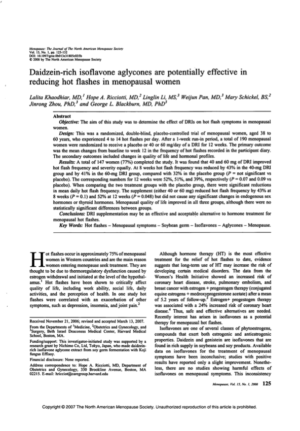
In a randomized, double-blind, placebo-controlled study, postmenopausal women with hot flashes received 40 mg or 60 mg per day of daidzein-rich isoflavone aglycones.

Hot flash frequency decreased by approximately 43%–52%

after 8 to 12 weeks in the supplementation groups.

That does not mean that aglycone isoflavones have been proven to eliminate hot flashes or that they work for every woman.

Research on soy isoflavones and menopausal symptoms as a whole has produced mixed results.

But studies such as this raise an interesting question: rather than treating all “soy isoflavones” as identical, should we also be paying attention to their form and composition?

We think that question is worth exploring.

Reference 1 (Clinical Study)
Another Interesting Finding: AglyMax® and DHEA-S

There is another area of research that has attracted our attention.

AglyMax® is a daidzein-rich isoflavone aglycone ingredient produced from fermented soy germ.

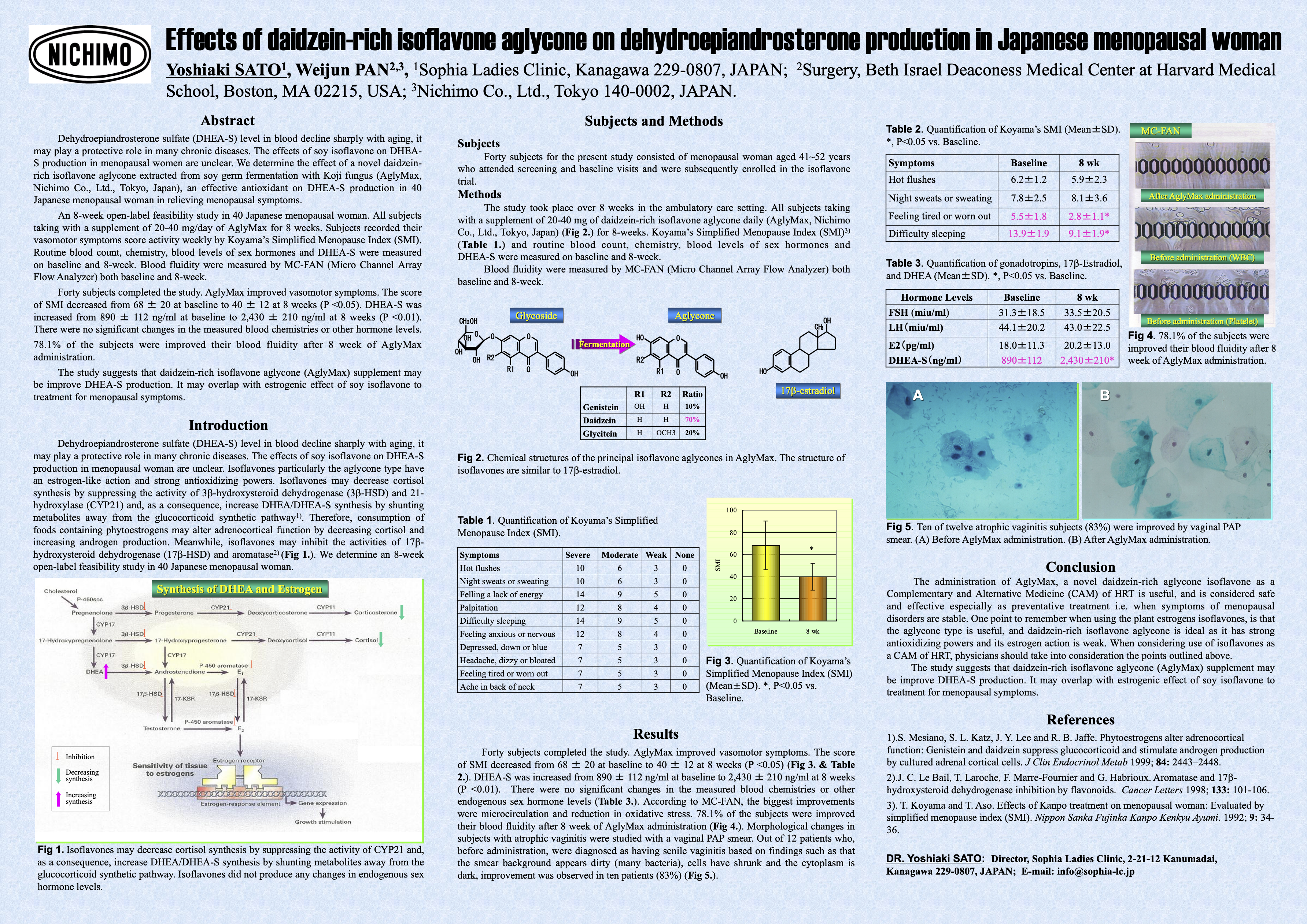
In an eight-week open-label feasibility study, 40 Japanese menopausal women consumed 20–40 mg per day of AglyMax®, a fermented soybean germ extract rich in isoflavone aglycones.

Their average blood DHEA-S level increased from 890 ± 112 ng/ml at baseline to 2,430 ± 210 ng/ml after eight weeks.

Because this was a small, open-label study without a placebo control group, the observed increase in DHEA-S cannot be attributed conclusively to AglyMax®. Larger, well-controlled clinical studies are needed to determine whether this finding is reproducible and clinically meaningful.

Reference 2 (Symposium Presentation)
Importantly, the researchers reported no significant changes in the other measured endogenous sex hormone levels.

That last point is important.

This study does not show that AglyMax simply raises estrogen.

Instead, it points toward another potentially interesting relationship between soy isoflavones and the body’s steroid hormone pathways.

A Possible Mechanism Behind the DHEA Finding

Why might soy isoflavones influence DHEA-S?

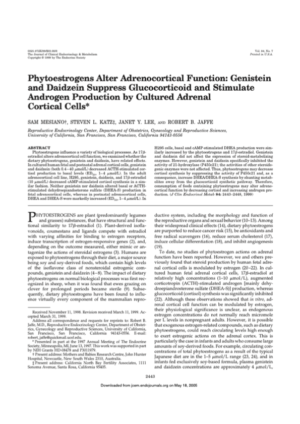
Laboratory research using human adrenal cortical cells provides one possible clue.

Researchers found that the soy isoflavones genistein and daidzein decreased cortisol production under certain experimental conditions, while DHEA and DHEA-S production increased in some adrenal cell models.

One mechanism proposed by the researchers is that suppressing part of the cortisol synthesis pathway could leave more steroid precursors available for DHEA synthesis.

This is especially interesting because DHEA is a precursor in the body’s pathways for producing both androgenic and estrogenic sex steroids. The researchers therefore proposed that increased adrenal androgen production could potentially contribute indirectly to some of the biological effects associated with dietary phytoestrogens.

But we need to be careful here.

This does not prove that taking AglyMax causes the body to produce exactly the estrogen it needs.

That would go beyond what these studies demonstrate.

What the research does give us is an interesting scientific reason to continue investigating how soy isoflavones may interact with the body’s own hormone pathways.

Reference 3 (Laboratory Study)
From Japanese Food Culture to Modern Menopause Support

Now we can bring the pieces together.

For generations, people in Japan have eaten soy not as a special “menopause food,” but simply as part of everyday life—in tofu, miso, natto, and many other foods.

Some of those foods are fermented.

Modern research has allowed us to look more closely at what happens during that fermentation and to distinguish between different forms of isoflavones.

The story becomes:

Soy → Isoflavones → Glycoside and Aglycone Forms → Fermentation → Absorption and Metabolism

This does not mean that copying the Japanese diet will automatically give someone the health outcomes of a Japanese woman.

Instead, our approach at Juveriente is to look at traditional Japanese food culture, identify ideas that are scientifically interesting, and then examine what modern research actually tells us about them.

Where AglyMax® and Juveriente® Effisoy® Fit In

Juveriente® Effisoy® AM/PM contains AglyMax®, a daidzein-rich aglycone isoflavone ingredient derived from fermented soy germ.

There is an important distinction we want to make clear.

The research discussed above was not conducted on the current Juveriente® Effisoy® finished product.

The studies investigated AglyMax® or daidzein-rich isoflavone aglycone preparations related to the ingredient approach used in our product.

Effisoy is not HRT, and it should not be considered a replacement for medical treatment.

Rather, it was created for women who are interested in soy isoflavones—and particularly in the fermented, aglycone form—as one part of their daily approach to healthy aging and menopause support.

Our Effisoy® menopause support guide explains the thinking behind our formula and why we chose fermented soy germ as its foundation.

Interested in why we chose AglyMax® for Effisoy®?
Learn more about Effisoy® and AglyMax® →

Prefer to hear from women who have actually used Effisoy®?
Read real Effisoy® customer stories →

Menopause Without HRT Is Not One-Size-Fits-All

There is no single correct way to manage menopause.

For some women, HRT may be the right choice.

Others may benefit from nonhormonal medications.

Some women may have relatively mild symptoms and focus primarily on nutrition, exercise, sleep, stress management, and other everyday habits.

Soy isoflavones are one more area that has been studied within this much larger picture.

Menopause is also about more than getting through hot flashes and night sweats.

It can be a time to think about the decades ahead: keeping your bones strong, maintaining your muscles, staying active, going where you want to go, and continuing to enjoy the things that matter to you.

For a broader look at protecting your long-term health, explore our guide to natural ways to support bone health during menopause.

There are things we can learn from traditional Japanese food culture. There are things we can learn from modern medicine. And there are things we are continuing to learn from nutrition science.

None of them needs to be treated as the one and only answer.

The goal is to understand your options, look at the evidence, and find an approach that fits your own body, health, and life.

3 Natural ways to prevent hair fall in women

Natural ways to prevent hair fall in women

By learning natural ways to prevent hair fall in women, you will avoid or mitigate hair loss and help you grow stronger hair in the future.

(1) Improvement of lifestyle
(2) Hair care
(3) No stress

Keep doing them every day and help your hair grow from within.

Even when you take medical treatment, you should take those natural care simultaneously.
No matter how much hair grows with the treatment, the hair may weaken again if you leave the underlying health condition not cared for.
Hair is also a barometer of health, so caring for hair from within means caring for your whole body’s health.

I will tell you what to do specifically about the above three natural ways to prevent hair fall in women.

Improvement of lifestyle

Diet, sleep, and exercise are essential natural ways to prevent har fall through improvement of them.
When it comes to diet, the following nutrients are said to be particularly good for hair:

Protein (animal/vegetable)
Vitamins (B group, A, D, E, K)
Minerals (iron/zinc)
Protein is the hair material, and other nutrients work to smooth metabolism and balances female hormones.
Especially when you’re in your 40s and 50s, you’re eating less, so try to be conscious of how much you eat to have a well-balanced diet.

Sleep well

Also, the secretion of growth hormone, essential for hair growth, is affected by sleep time and quality.
Go to bed at least before the date changes, and aim for a solid 6-7 hours of sleep.

In addition, 2 to 3 times a week is OK, so moving your body for about 20 minutes at a time is ideal.
Metabolism and blood flow to the scalp will also improve, and sleep quality will improve.

Hair care

Hair care is so vital that they say, “healthy hair comes from a healthy scalp.”
However, I don’t recommend blindly buying hair care goods and trying everything.
It may worsen the scalp environment if it is not suitable for you.

Rather than which hair care product you use, the important thing is to acquire a shampoo method to keep your hair and scalp clean. It is the point as one of the natural ways to prevent hair fall.
Before shampooing, lightly brush to remove dirt, and then pre-wash with warm water to remove dirt without applying any force during shampooing.
By the way, the temperature of the hot water should be around 38-42°C.

In addition, it is crucial to wash the shampoo gently by massaging the scalp.
The final rinse should be about three times as long as the shampoo, especially the nape and the back of the head, which people often forget to rinse.

No stress

Stress has various effects on the body, so much so that it is said to be the “source of all kinds of illness.”
Lack of blood flow to the scalp caused by the disturbance of the autonomic nerves can lead to hair loss and even hair quality deterioration. So, caring for stress is also one of the natural ways to prevent hair fall.

Aging is beautiful
Photo by Elly Fairytale from Pexels

If you know the cause of your stress, you should keep yourself off it. But there may be situations that you can’t do.
In such a case, do what you like and try to vent regularly.

Communication with like-minded people
move the body
Try watching a movie or reading for a change
Travel
Etc.

It doesn’t matter what you do. So please create a hobby or enjoyment and use it to relieve stress.

A natural way to prevent hair fall through hormone balancement

Juveriente®’s Effisoy, launched in 2016, based on fermented soy bean germ extract has been loved as a natural menopause relief since its launching in 2016. 

Its primary function is to boost the weakened synthesis of a hormone precursor, DHEA. It’s safe as it only heals the natural synthesis function. The hormone boost doesn’t provide the only relief from menopausal symptoms. But, it also supports various aging issues and increases metabolism, which leads to weight loss.

Here are some of the real product reviews in our Amazon shop.

“Restful sleep finally!!”, “I Am Now Free of Hot Flashes!!”, “Lifesaver”LEARN MORE About Effisoy, made of fermented soy bean germ

The only supplement to contain fermented soy isoflavone beside Japan.

Hair fall during menopause 2

Hair fall during menopause

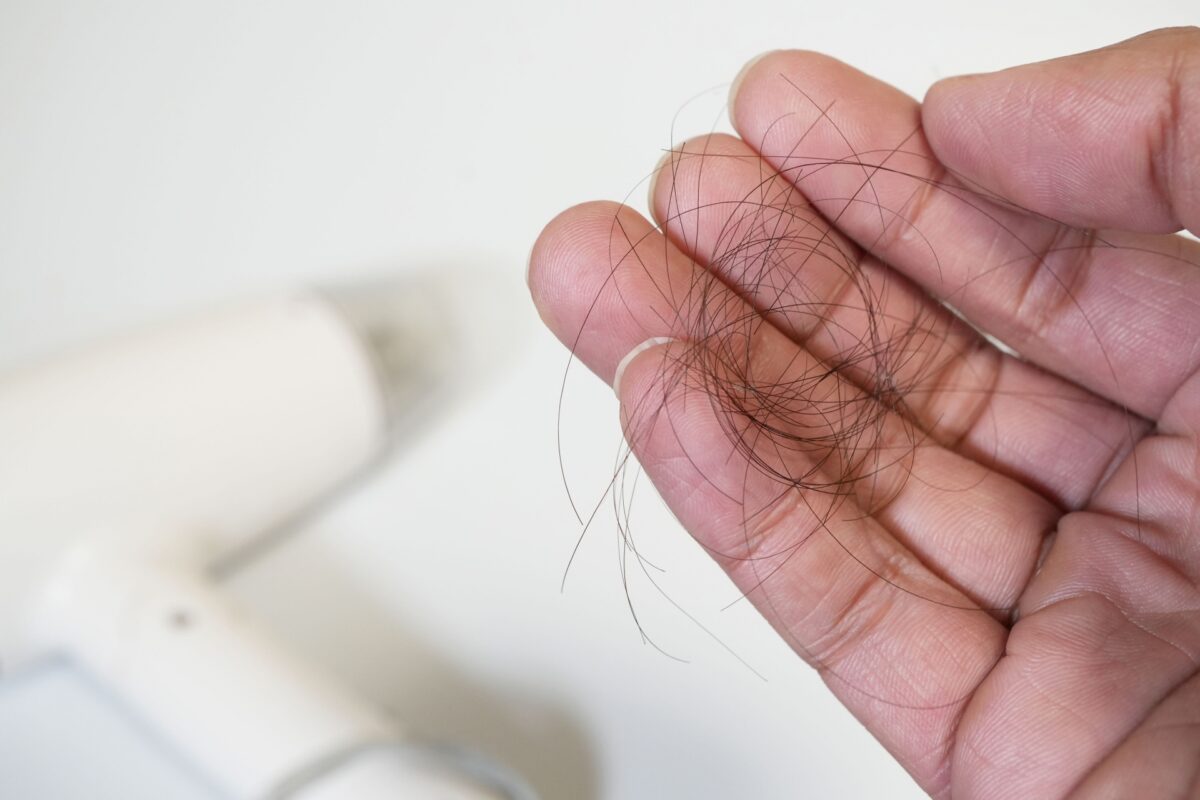
Changes in hair volume and quality characterize hair fall during menopause. It may be one of the symptoms of menopause seen in people in their 40s and 50s.

Thinning hair in women can occur by various causes besides hair fall during menopause. It is difficult to tell the reason by looking at the initial external symptoms. You may be able to suspect hair loss during menopause if you have other menopausal symptoms like the following.

Typical menopausal symptoms

Mental symptoms

⇨ Irritability, low motivation, depressed mood, insomnia, etc.

Physical symptoms

⇨ Headache, stiff shoulders, dizziness, heart palpitations, pain in the waist and back, etc.

Symptoms related to blood vessels

⇨ Hot flashes, sweating, cold hands and feet, etc.

Major causes of hair fall other than menopause

In addition to hair fall during menopause, there are other types of hair fall such as:

Alopecia areata symptom

Illness-related alopecia

including thyroid dysfunction, iron deficiency anemia, gynecological disorders such as ovarian cysts and polycystic ovaries

Traction alopecia

The causes of hair loss in women are complex, and medical conditions may trigger it. Treatment methods vary depending on the symptoms, so it is essential first to clarify why hair fall occurs.

3 Ways to address hair fall during menopause

There are various methods to deal with hair fall during menopause, from over-the-counter hair care products to natural supplements to pharmaceuticals, as the following.

(1) Treatment to promote hair growth
(2) Hormone balancement
(3) Coping methods other than treatment

Let’s take a closer look at these three treatments.

Treatment to promote hair growth

You can use minoxidil for hair fall during menopause. It seems to have a hair growth effect regardless of gender. But, please consult your doctor before considering treatment with drugs.

Hormone balancement

Menopause is a 10-year period that includes menopause, and a decrease in the secretion of the female hormone (estrogen) causes various physical and mental symptoms, including hair loss.

You can expect recovery from the symptoms with HRT (hormone replacement therapy), which compensates for the lack of female hormones.

Types of HRT include:

Oral medicine
Transdermal medicine (patch, ointment)

There are two types, but neither is a treatment method specialized for hair fall. It is a treatment for menopausal disorders, so please be aware that you can’t directly expect hair growth.

HRT also comes with risks, which can increase the risk of breast and endometrial cancer. If you are considering treatment, have regular breast and uterine examinations.
Other possible side effects are Irregular bleeding, breast tightness and pain, birthing, firmness of the lower abdomen, nausea, etc.

We also recommend a natural supplement made of food extracts. It works moderately but far more safely.

A natural way to rebalance your hormone

Juveriente®’s Effisoy, launched in 2016, based on fermented soy bean germ extract has been loved as a natural menopause relief since its launching in 2016. 

Its primary function is to boost the weakened synthesis of a hormone precursor, DHEA. It’s safe as it only heals the natural synthesis function. The hormone boost doesn’t provide the only relief from menopausal symptoms. But, it also supports various aging issues and increases metabolism, which leads to weight loss.

Here are some of the real product reviews in our Amazon shop.

“Restful sleep finally!!”, “I Am Now Free of Hot Flashes!!”, “Lifesaver”LEARN MORE About Effisoy, made of fermented soy bean germ

The only supplement to contain fermented soy isoflavone beside Japan.

Coping methods other than treatment

As a coping method that does not use pharmaceuticals,

wig
hairpieces

There are effective ways to hide thinning hair on the parting and parietal area.

There are also reports that the QOL of women who use wigs or hairpieces improved, so using them as a temporary measure is one option. However, it will be better to consider that wigs and hairpieces are not real solutions to hair fall during menopause. It’s just a “hidden state.” Depending on the quality, the scalp environment may be disturbed due to stuffiness, and hair fall may worsen. Also, maintenance costs are higher than generally expected. It may exceed the price of medical treatment.

The following article will discuss lifestyle habits to prevent menopausal hair loss.

Hair fall in menopause

You may be suspecting that you have hair fall in menopause. We will talk about hair fall in menopause and the treatments for improvement through the series of posts starting from this one.

Hair fall in menopause and symptoms

Women’s hair troubles are increasing in their 40s and 50s. However, it is natural for hair to lose volume with age. The hair turnover cycle changes from 28 to 45 days, and metabolism slows.

Therefore, only the hair volume reduction does not necessarily mean it’s by menopause. You should suspect hair fall in menopause if you have the following symptoms besides hair volume reduction.

(1) The skin is transparent.
(2) Wide and conspicuous
(3) Changes in hair quality, such as swelling and dryness
a lot of hair fall
(4) Fewer hairs growing from one pore

These symptoms occur when hair growth is not catching up due to disruption of the hair cycle. The leading cause is a drop in female hormones. Other reasons, such as a drop in blood flow, disordered lifestyles, and excessive stress, can also be involved in a complex way.

They also say that genetic influences play a role.

Unlike men, women often maintain a certain amount of hair as they age.

However, various effects on the body and mind are likely to appear when menopause approaches, and hair fall and thinning hair are one of the typical symptoms of menopause.

What happens when hair fall progresses?

As hair fall in menopause progresses, it can majorly impact your mental state as your appearance changes.

– I’m embarrassed to go out in the presence of other people because they can see my head’s skin.
– The hair loses volume, and hair styling does not go well.
– Every time I look in the mirror, I feel depressed.
Etc.

In addition, menopausal symptoms can lead to emotional instability, and the unpleasant feeling of hair loss may drive it.

The number of women who think they like to be “beautiful forever” has recently increased. For that reason, the deterioration of QOL (quality of life) due to the progress of hair loss and menopausal symptoms may change not only the appearance but also the lifestyle of women.

A natural way to rebalance your hormone

Juveriente®’s Effisoy, launched in 2016, based on fermented soy bean germ extract has been loved as a natural menopause relief since its launching in 2016. 

Its primary function is to boost the weakened synthesis of a hormone precursor, DHEA. It’s safe as it only heals the natural synthesis function. The hormone boost doesn’t provide the only relief from menopausal symptoms. But, it also supports various aging issues and increases metabolism, which leads to weight loss.

Here are some of the real product reviews in our Amazon shop.

“Restful sleep finally!!”, “I Am Now Free of Hot Flashes!!”, “Lifesaver”

LEARN MORE About Effisoy, made of fermented soy bean germ
The only supplement to contain fermented soy isoflavone beside Japan.

0
0
Your Cart
Your cart is emptyReturn to Shop