
After 50, many women begin to notice changes in energy, sleep, body composition, and overall well-being. Menopause is an important part of this transition, as declining estrogen levels can affect many systems throughout the body.
Food cannot restore estrogen levels to what they were before menopause, nor should any single food be expected to “balance” hormones. But everyday eating habits can help support the body as it adapts to hormonal change.
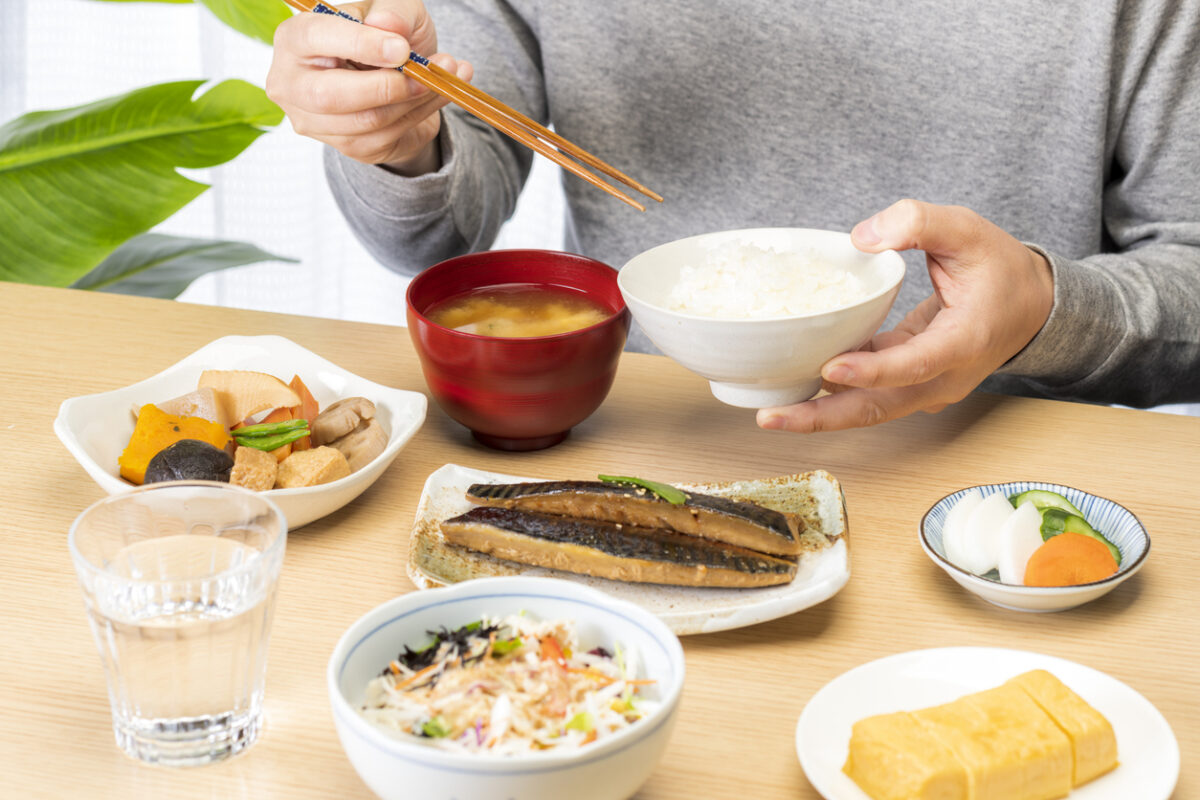
Traditional Japanese eating patterns offer an interesting perspective. Rather than relying on one special ingredient, they tend to combine soy foods, fish, vegetables, fermented foods, seaweed, and a wide variety of seasonal ingredients.
In this article, we’ll look at several Japanese eating habits that may help support women’s health after 50—and explore how foods such as soy can fit into the bigger picture of menopause and healthy aging.

How Hormones Change After 50
The Natural Decline of Estrogen and DHEA
As women age, levels of estrogen, progesterone, and DHEA (a precursor to multiple hormones) drop significantly. This decline can lead to:
-
Menopausal symptoms like hot flashes and insomnia
-
Weakened bone density
-
Slower metabolism
-
Decreased energy and libido
While Hormone Replacement Therapy (HRT) is one option, many women prefer natural approaches that align with long-term wellness.
The Japanese Dietary Approach to Hormone Health
Why Japanese Women Experience Milder Menopause
Studies show that Japanese women often report fewer and less severe menopause symptoms than their Western counterparts. One key reason? Their dietary habits.
Japanese food culture emphasizes whole foods, fermentation, plant-based proteins, and low sugar intake, all of which contribute to hormonal balance.
Let’s explore how these elements work together.
Soy Foods: Natural Phytoestrogens
Soy foods are especially interesting during menopause because they naturally contain isoflavones, plant compounds with a chemical structure similar to estrogen.
Isoflavones can interact with estrogen receptors in the body, but their activity is much weaker than that of human estrogen. For this reason, they are sometimes described as phytoestrogens—but that does not mean they act as a replacement for estrogen or restore hormone levels.
Instead, researchers have studied soy isoflavones for their potential role in supporting women as estrogen levels naturally decline during menopause. Their effects can also vary depending on the type and form of isoflavones consumed, as well as individual differences.
This makes soy particularly interesting as part of a broader dietary approach to healthy aging rather than as a way to simply “balance hormones.”
For a closer look at how declining estrogen affects the body—and what research says about soy isoflavones and other non-HRT approaches—see our guide to coping with menopause without HRT.

Aglycone Isoflavones: The Bioavailable Form
Most Western soy products contain glycoside-form isoflavones, which are harder for the body to absorb. In contrast, fermented soy products commonly eaten in Japan (like miso and natto) naturally contain aglycone isoflavones, which:
-
Are absorbed more easily in the intestine
-
Act more quickly in the body
-
Show stronger estrogen-like effects
This bioavailability may explain the stronger health outcomes observed in Japanese populations.
Source: NCBI study on soy isoflavones
Seaweed and Mineral-Rich Foods
Japanese meals regularly include sea vegetables such as wakame, nori, and kombu. These are high in:
-
Iodine – crucial for thyroid hormone production
-
Magnesium – helps regulate cortisol and sleep
-
Iron – supports energy and oxygen delivery
Since hormonal balance depends on adequate mineral levels, this aspect of the Japanese diet provides strong foundational support.
Fermentation for Gut and Hormonal Health
Fermented foods like miso, natto, tsukemono (pickled vegetables), and amazake promote a healthy gut microbiome. Why does this matter?
Because the gut helps:
-
Convert and regulate hormones
-
Produce neurotransmitters like serotonin
-
Reduce inflammation, which disrupts hormonal signals
Gut health and hormonal health are closely intertwined—and the Japanese diet has prioritized this connection for centuries.
Low Sugar, High Fiber
Excess sugar can spike insulin and cortisol—two hormones that, when out of balance, wreak havoc on estrogen and DHEA levels. The Japanese diet traditionally includes:
-
Minimal refined sugars
-
High-fiber vegetables like daikon and burdock root
-
Complex carbohydrates like brown rice and sweet potatoes
This keeps blood sugar stable, which is essential for hormonal regulation.

A Natural Solution Inspired by Japan: Juveriente Effisoy
While adopting a Japanese eating pattern is beneficial, it can be difficult to maintain—especially outside of Japan. This is where Juveriente Effisoy comes in.
Effisoy is a natural supplement that delivers fermented soy isoflavones in the aglycone form, just as found in Japanese fermented foods.
What Makes Effisoy Different?
-
Aglycone Isoflavones: Derived from fermented soybeans for maximum absorption
-
No Synthetic Hormones: A safe alternative to HRT
-
Made in Japan: Developed based on decades of food science and tradition
Effisoy supports:
-
Hormonal balance after 50
-
Improved energy and mood
-
Relief from menopause-related fatigue
-
Natural restoration of DHEA production
For more information, visit the official Juveriente website or check reviews on Amazon.
How to Incorporate Japanese Eating Habits Into Your Life
Start Small and Build
Even small shifts toward Japanese-style eating can support hormone health:
-
Add miso soup or tofu to lunch
-
Snack on edamame or roasted seaweed
-
Use kombu or bonito flakes in soups for added minerals
Combine Food with Supplements
Pairing a nutrient-rich Japanese-inspired diet with Effisoy can strengthen your body’s ability to maintain hormonal balance naturally and gently.

Final Thoughts
Balancing hormones after 50 doesn’t require synthetic drugs or drastic lifestyle changes. Instead, it can begin with a bowl of miso soup, a plate of tofu, or a few capsules of a fermented soy supplement.
By adopting time-honored Japanese eating habits and supporting your body from within, you can navigate the second half of life with greater energy, clarity, and peace of mind.
External Resources
Take Effisoy®, a natural supplement, to balance your hormone back.
If you are facing an age-related hormonal imbalance, rebalancing it will work with a balanced diet for your beauty, weight management, and daily wellness.
Juveriente®’s Effisoy, launched in 2016, based on fermented soy bean germ extract has been loved as a natural menopause relief since its launching in 2016.
Its primary function is to boost the weakened synthesis of a hormone precursor, DHEA. It helps the precursor, DHEA. Rebalancing the precursor will eventually recover your hormones in line with your natural balance. It will help recover the hormonal imbalance and help you address various issues in postmenopausal period.
Here are some of the real product reviews in our Amazon shop.
“Restful sleep finally!!”, “I Am Now Free of Hot Flashes!!”, “Lifesaver”
The only supplement to contain fermented soy isoflavone beside Japan.