Age and appetite

Why age and appetite are inversely proportional?

Have you ever felt that your appetite has become thinner, such as your stomach becoming full quickly or feeling heavy? Age and appetite have a close correlation. From age 50 onwards, many people find it challenging to eat the same amount of food as they used to. Why do such changes occur?

The reason why you eat less is that your body functions change with age. Let’s take a look at what changes happen to age and appetite.

Stomach function declines with age.

As we age, the elasticity of the stomach gradually decreases. Decreased elasticity means the stomach does not expand enough when food comes in, so you can’t store much food at once and cannot eat as before.
In addition, since your stomach can’t resolve foods with much oil well, it causes discomfort, such as feeling heavy in the stomach, and people tend not to like rich foods.
In addition, the peristaltic movement that moves food from the stomach to the small intestine also deteriorates, so digestion takes longer. As a result, food stays in the stomach for a long time, and you don’t get hungry immediately.
If too much food remains in the stomach, hyperacidity (excessive production of stomach acid) can occur.
Reflux esophagitis is one of the health concerns you must be especially careful about from age 50.

As we age, the functions of the esophagus as well as the stomach gradually decline. Compared to other organs, the changes are said to be small. Still, the peristaltic movement that sends food to the stomach weakens. The place connecting the esophagus and the stomach closes due to the weakening of the sphincter muscle. It becomes difficult.
On the other hand, as explained above, the stomach is prone to hyperacidity. As a result, stomach acid can flow back up from the stomach into the esophagus. It is the course of how reflux esophagitis happens. It often causes Nausea and heartburn.

Changes in functions around the mouth

In addition to changes in the stomach and esophagus, functions around the mouth also decline with age. One is a decrease in saliva. When saliva decreases, the inside of the mouth becomes drier, and periodontal disease and stomatitis increase. The pain and discomfort associated with it can make it challenging to eat.
And the chewing power also goes down. Muscle strength for chewing and swallowing weakens, and teeth are lost due to tooth decay and periodontal disease, making eating hard foods and choking difficult.
Then, the taste buds (organs that sense taste) on the tongue atrophy, making it challenging to feel tastes. It makes seasoning stronger for older people. When the ability to discern taste declines, the food you used to eat will no longer taste good, leading to a loss of appetite.
The decline in these functions related to eating is a primary reason age and appetite are inversely proportional. However, at the same time as the diet becomes thinner, people in their 50s and older have a lower metabolism compared to when they were young. You don’t have to worry too much about it because you don’t need as much energy as you did when you were younger.

What to do when you’re hungry

When eating becomes thin, reflux esophagitis is likely to occur, which increases the risk of developing esophageal cancer. Improving the state of eating less will be a countermeasure to prevent this.
Specifically, one way to do this is to eat foods that are easy to digest, especially those rich in carbohydrates and amino acids (such as low-oil foods, tofu, etc.). It’s easy to eat even after 50 years old, and it’s easy to eat vegetables.
However, people in their 50s and above lose muscle mass, so we recommend actively eating meats such as steaks containing oil. If you can’t eat it anyway, you should take a lot of soy and fish instead of meat.
Soy is a precious source of protein when you don’t feel like eating heavy foods like meat.

Eat less, but still, be well nourished.

As we age, we will inevitably eat less. However, if you don’t eat much, you will become malnourished, leading to the poor physical condition due to muscle weakness and being too thin. You don’t need to eat over the amount you can, but pay attention to the balance and take the necessary nutrition properly.
To make the meal more enjoyable, we recommend eating it with your family and friends and incorporating seasonal ingredients. Let’s continue without overdoing it while making good use of eating out, ready-made foods, and food delivery.

Balance your hormones and recover metabolism and appetite

Japanese staple, Miso, fermented soybean paste, helps Japanese women to balance their hormones in and after menopause. When it’s not easy outside Japan, we recommend to take it by a natural supplement.

Juveriente®’s Effisoy, launched in 2016, based on fermented soy bean germ extract has been loved as a natural menopause relief since its launching in 2016. It has gained reputation as a menopause supplement. In addition, it also has high anti-oxidant power coming from fermented soy. Isoflavone aglycone contained in Effisoy® has about 1,000 times of anti-oxidant potency than standard isoflavones. 

Its primary function is to boost the weakened synthesis of a hormone precursor, DHEA. It’s safe as it only heals the natural synthesis function. The hormone boost doesn’t provide the only relief from menopausal symptoms. But, it also supports various aging issues including metabolism recovery, fatigue mitigation, etc.. It is not limited only for menopause women, but also after menopause or older. 

Here are some of the real product reviews in our Amazon shop.

“Restful sleep finally!!”, “I Am Now Free of Hot Flashes!!”, “Lifesaver”
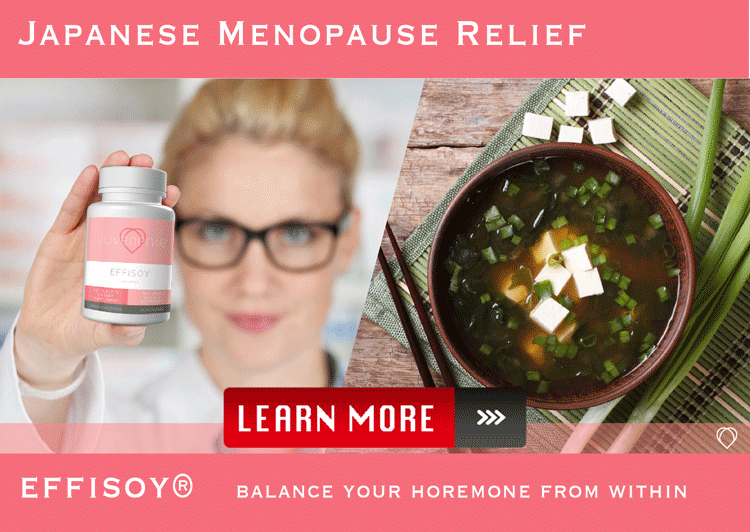
LEARN MORE About Effisoy, made of fermented soy bean germ
The only supplement to contain fermented soy isoflavone beside Japan.

Bone health is another critical issue

By the way, bone health is another critical issue for menopause and after menopause, or even for older women. Age and appetite issue will also affect it. You may take less nutrition for bone health when your appetite weaken. A natural supplement may make it up.

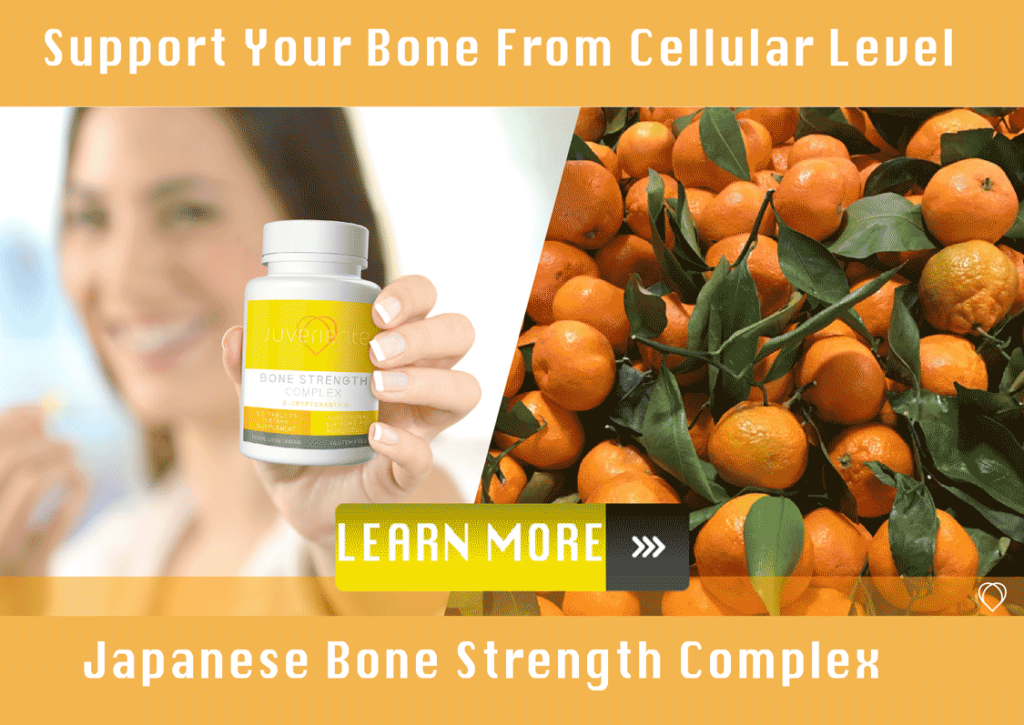
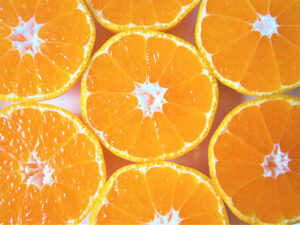
A cohort study in Japan reports that blood concentration of Beta cryptoxanthin, which is richly contained in Satsuma mandarin orange, shows a strong correlation. But, it is rather indigenous to Japan and China, and hard to take for people in other regions.  Juveriente®’s natural bone supplement, “Bone Strength Complex” brings you its essence to you as a natural supplement. Since its launching in 2016, it has gathered positive feedbacks as the following.

Mandarin OrangeI have been taking Juveriente Bone Strength Complex for two years. I was waiting for my bone density test this year to write a review. My bone density test results improved. I was diagnosed with Osteoporosis two years ago. The prescription medications for Osteoporosis have too many side affects and I was looking for a good alternative. I am proud to report this product works and has no side affects. The gel capsules are easy to swallow.” (Nov. 17th 2022, a product review for our Amazon shop)

The main functional ingredient is simply an extract of a Japanese popular citrus fruit. Needless to say, it is better to try a natural food before jumping to strong medicines. Please learn details in our product page.

LEARN MORE BSC


Dry hair during menopause and other issues

In your 40s and 50s, you may feel or might have felt that your hair is dryer and less manageable than it was when you were younger. It is dry hair during menopause.

 The secretion decrease of female hormones

Menopause and hair are closely related. Estrogen is a type of female hormones responsible for hair growth and maintenance. Most people in their late 20s, when female hormone secretion peaks, are in good hair condition. Hair bounce and volume are also sufficient. In your 30s, female hormones decrease gradually, and dry hair. Dry hair during menopause tends to absorb moisture and get frizzy in humidity.

When you reach menopause in your 40s and 50s, the female hormone secretion drops sharply, and the quality of your hair declines, such as loss of firmness and stiffness, hair thinning, and dryness. This trend becomes more noticeable, and, in addition, the hair may get thinner.

Life style and dry hair during menopause

Unhealthy lifestyle habits can disrupt the balance of female hormones. So the first thing you should do is review your lifestyle and keep it better.

Sleeping well, eating a well-balanced diet, and avoiding stress are essential. I also recommend taking foods to balance your hormones. In Japan, it is common sense that fermented soy food helps balance hormones. They usually take it as miso soup.

Hair care items for your age

Scalp condition change with age

In addition, the scalp environment changes with age, so please review your hair care items and use hair care products that suit your scalp.

You may suffer from hair getting frizzy, hair loss, and thinning hair as you age. Even though your hair is naturally straight, it can become frizzy as you age because the loss of estrogen causes the loss of hair elasticity and bounce. But the scalp condition change is also a critical cause. The sagging scalp distorts pores, and damage such as perms and hair coloring accumulates.

Also, although the timing differs from person to person, some people suffer from thinning hair due to increased hair loss due to decreased female hormone secretion and dry scalp.

Pick hair care items in line with your issues.

hair care items for menopasue
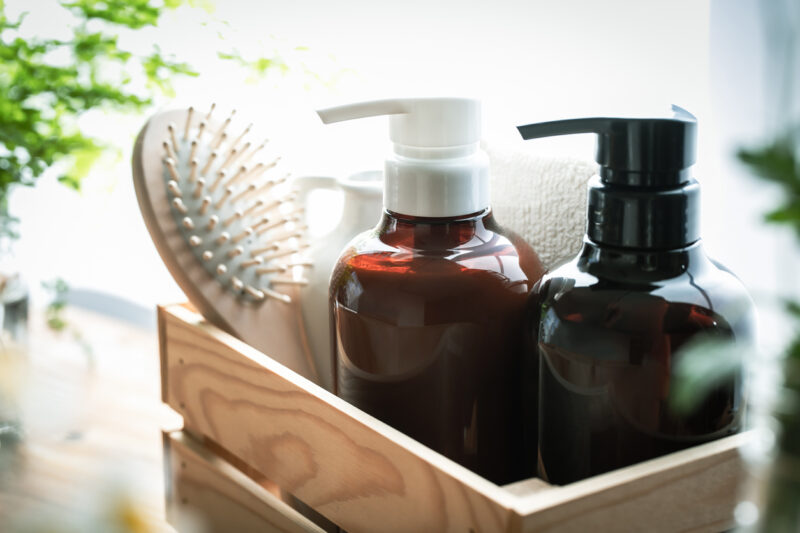
Shampoo, conditioner, hair care

Both issues, the deteriorated hair condition and hair loss, will make you look old if left untreated. Let’s start hair care in line with the condition of your age including the dry hair during menopause.

Cover up the lack of volume in your hair with a styling product that gives luster and manageability to unfamiliar, acquired curly hair.

Two characteristics of hair quality changes with aging are loss of bounce and dry hair during menopause. It is vital to use hair care items that give strength and elasticity to weakened hair and moisturize to prevent dryness.

Some recommendations

For those who have started worrying about changes in hair quality due to aging, we will introduce two hair care products that you can easily continue daily to improve lost hair bounce and dry hair during menopause.

natural foodsShampoo and treatment are the most familiar and everyday hair care items. When hair quality changes due to aging, the shampoo, and conditioner you have used since you were younger may no longer suit you.

The detergency of shampoo varies depending on the type of surfactant contained.

Suppose your hair is getting weaker and thinner as you get older. In that case, we recommend using a product with a mild detergency that leaves a moderate amount of sebum to maintain moisture on the scalp, which tends to dry out.

Specifically, we recommend you an amino acid-based or betaine-based shampoo.

The conditioner used together may include keratin, a protein that makes up most of the hair, and hematin, which combines with keratin to repair the hair and adjust the texture, giving the hair firmness and elasticity.

Help balance your hormones with a natural supplement

Japanese staple, Miso, fermented soybean paste, helps Japanese women to balance their hormones in menopause. When it’s not easy outside Japan, we recommend to take it by a natural supplement.

Juveriente®’s Effisoy, launched in 2016, based on fermented soy bean germ extract has been loved as a natural menopause relief since its launching in 2016. It has gained reputation as a menopause supplement. In addition, it also has high anti-oxidant power coming from fermented soy. Isoflavone aglycone contained in Effisoy® has about 1,000 times of anti-oxidant potency than standard isoflavones. 

Its primary function is to boost the weakened synthesis of a hormone precursor, DHEA. It’s safe as it only heals the natural synthesis function. The hormone boost doesn’t provide the only relief from menopausal symptoms. But, it also supports various aging issues including hair quality deterioration. It is not limited only for menopause women, but also after menopause or older. 

Here are some of the real product reviews in our Amazon shop.

“Restful sleep finally!!”, “I Am Now Free of Hot Flashes!!”, “Lifesaver”
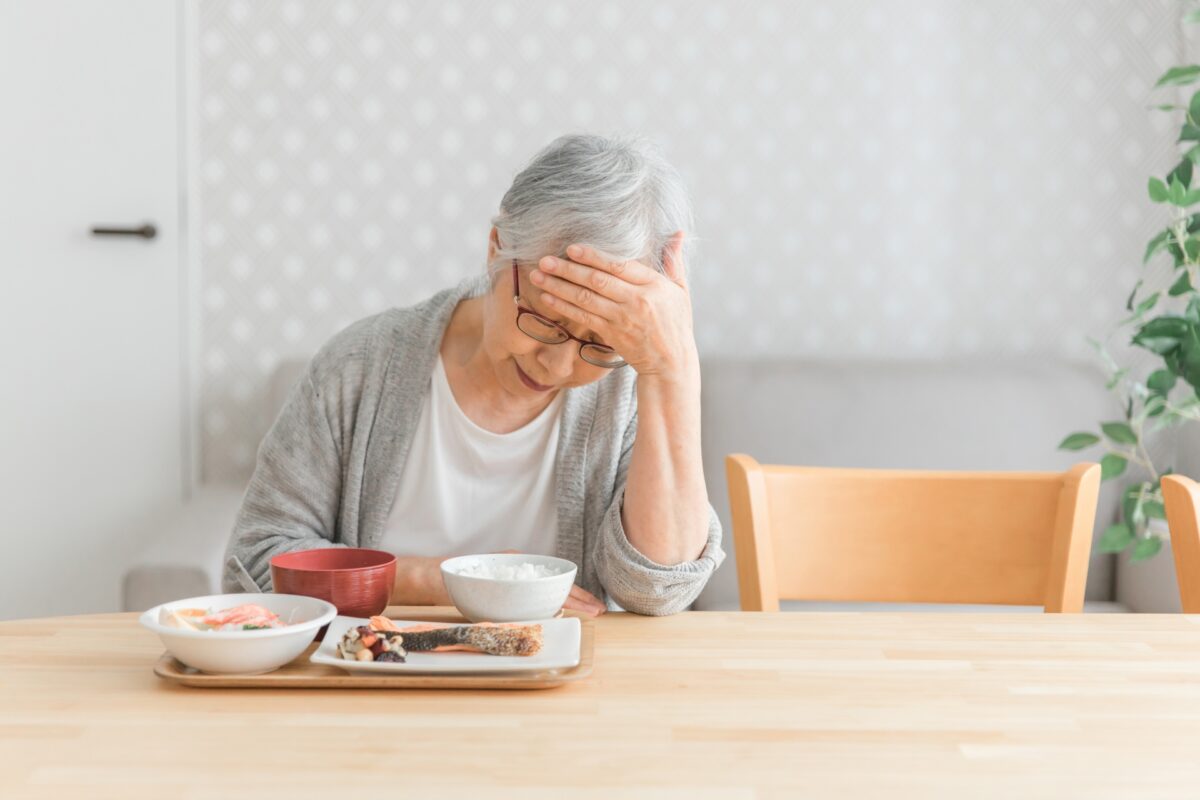
LEARN MORE About Effisoy, made of fermented soy bean germ
The only supplement to contain fermented soy isoflavone beside Japan. 

How to take a Japanese bath at home – take the benefits of Japanese women’s primary health habits

Japanese Bath is one of the principal health routines among Japanese people

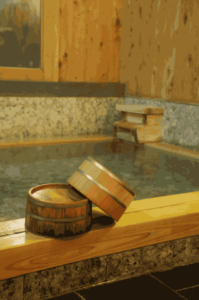
There is one daily routine that everybody says as obviously a principal routine for health, but Westerners don’t have in mind. A Japanese bath bathing habit. You may wonder how to take  a Japanese bath at home, but it’s hard to do it without a dedicated facility, a bath room (not a toilet, but really a “bath” “room”), equipped with a Japanese style deep bathtub and a body washing space.

The cultural difference of sense may also be a challenge. It’s hard to replace the hot water by each person of a family in a day. It’s natural for Japanese families to use the same hot water within a family. But it may be uncomfortable for people from other cultures.

Benefits of Japanese bath

Hot Spring is a typical place to improve bad circulation for Japanese. Before talking about how to take a Japanese bath at home, I like to review the health benefits of it.

Relieves fatigue and relaxes

When you take a Japanese bath, your body temperature rises, and your metabolism increases. It will efficiently discharge the waste products and fatigue substances accumulated from the body. The bloodstream carries oxygen and nutrients to every corner of the body. Hence, the body Feels refreshed, and fatigue is relieved.

In addition, when the body is warm, the tension in muscles and joints is relieved. Some people may suffer shoulder and back pain due to computer work at home, but we can say that these pains are likely to be improved by bathing because the muscles are tense.

In addition, when you take a bath, the function of the parasympathetic nerve becomes dominant. When it happens, it is easy to feel the relaxing effect, and it will solve the stiff mind and body, and you will feel more comfortable.

Metabolism improvement and skin improvement

When your metabolism increases by a Japanese bath bathing, your skin will improve. Most Japanese women feel their skin refreshed, like getting back younger every night by long bathing. Repeating it every day will keep up the healthy skin condition constantly, even when not after bathing.

Bad circulation improvement

When water pressure is applied to the body by bathing, it also applies to the subcutaneous blood vessels. It pushes out blood like a pump, and the heart’s movement becomes active. As a result, it improves blood flow and lymphatic flow.
Improving blood flow also relieves coldness, so we recommend bathing for those who suffer from chronic coldness.

Good sleep

When a person falls asleep, the core body temperature (the temperature inside the body, such as the brain and internal organs) drops. This function enables smooth sleep onset and comfortable sleep. Even if you don’t do anything, your body temperature will naturally drop, and you will feel sleepy.

Take a Japanese bath for 1-2 hours before going to bed. For good quality sleep, it is ideal for the skin temperature to be high and the core body temperature to be low. By taking a bath, you can sleep soundly at night by increasing blood flow in the skin, dissipating heat from the skin, and lowering the core body temperature.

How to take a Japanese bath at home, or is there an alternative measure?

As discussed above, you need dedicated facilities to take a Japanese bath home. If you can do it, it’s lovely. But it’s impossible for most people for various reasons, including the expensive cost, space, etc. But you don’t need to give up from the quest how to take a Japanese bath at home. There are alternatives effective enough.

FootBath

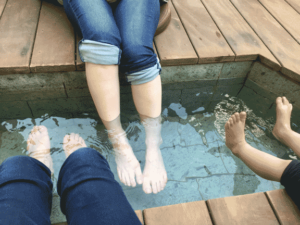
Yes, this will be the most viable and realistic option for everybody to improve bad circulation. Don’t think the foot bath is only for your foot care. It is just a safer variation of the full-body warm water immersion, and it warms up your whole body only with your feet and legs soaked. It is a common-sense among Japanese women.

You will often see the recipe for the bath ingredients, but the primary matter is the warm water. Bath ingredients will add up further benefits, but it’s already beneficial without them.

Japanese love footbath for better circulation
Hot spring footbath is popular in Japan.

It will provide the thermotherapeutic effect as the warmed blood circulates all through your body. If you soak your calves even up to the half, you will also take the water pressure effect. The improved bloodstream will (1) warms your body up (2) discharges your body wastes and facilitate your metabolism (3) mitigates your fatigue (4), loosens up your body (5) helps your internal organs (6) supports you to fall asleep better.

I will explain the details how to take foot bath below.

Showering long

Unfortunately, you can’t raise your core body temperature just by showering. Instead, the shower stimulates the skin and increases the sympathetic nerves, making it easier for the autonomic nerves to become unbalanced. However, there will be days when you just can’t take a bath. In such a case, try to warm your neck in the shower. I will explain you the details of how below. 

How to take the footbath as an alternative of Japanese bath

WARNING

(1) Footbath is far safer and less hefty for your body than full-body warm water immersion or various exercises. But, it still puts some tax on your body depending on your age or the health condition. If you have any concerns, start from some low temperature (around 100F) and short time (about 20 mins). Adjust the temperature, lengthen the soaking time, and gradually monitor your blood pressure and your general health condition.

(2)Take the water adequately to avoid dehydration. A glass of water before the footbath will help you to discharge your body wastes. You can keep up your metabolism by taking some water after the footbath.

(3) Take care of the dryness of your legs. When you add any bath ingredients, take care of any problems on your skin.

(4) I recommend some tools and bath agents, but we are not involved in any of them and can’t take any responsibility. Research those tools and ingredients under your responsibility before you buy and use them.

Footbath Buckets

Any buckets or foot spa with a heater will work. I like the simple foot bath bucket by the famous Japanese manufacturer, Inomata. (Watch out cheaper imitations!) It will be convenient if you take a foot spa with a heater, but you need to study if the size is right for you.

Footbath Ingredients

Even only the warm water without any ingredients will warm you up and provide you various benefits. But some bath ingredients will extend its health benefits. Many people recommend Epsom salt. It is one of the popular ingredients of Onsen (natural hot spring) and helpful for your health. Bath ingredients made in Japan will offer you a more complicated and similar-to-nature formula and health benefits for your luxury.

It will also be beautiful to add some aroma and enjoy the relaxing flavor.

How to do

Pour warm water into the bucket. Soak your feet with some hot water beside you. Start with some lower water surface cause you will need to add the hot water to keep up or adjust the water temperature. Try from as short as 20 minutes if you have any health concerns. Some women enjoy it for about an hour.

One more tip

If you don’t go bed immediately after the foot bath and like to keep your feet warm, it will be better that you pour some cold water on your feet. Otherwise, your body will try to cool down the warmed feet as a natural reaction.

How to take the Shower as an alternative of Japanese bath

It is essential to keep your neck warm.

Try to warm your neck in the shower. The duration will be 3 – 5 minutes. In case of old people or those who are not in a good health, 1 – 2 minute(s) will work enough. 

When the neck warms up, the temperature-controlling sensor in the preoptic area of the brain works, blood vessels expand, and the parasympathetic nervous system increases.

The areas to be warmed are the base of the neck and the back. At the bottom of the neck is a cluster of sympathetic nerves called the stellate ganglion, which regulates blood flow to the head, shoulders, and neck. When you warm up here, the sympathetic nerves decrease, and the parasympathetic nerves dominate. In addition, since thick blood vessels run in the back of the neck, the preoptic area responds by warming this area.

Keep the shower head as close to your skin as possible.

The point of application is to bring the shower head as close to the skin as possible. When you shower from a distance, the water droplets irritate your skin, making it easier for your sympathetic nerves to react. It is a good idea to get as close to the skin as possible so that you can feel it as a “mass of hot water” and warm it to massage it. The temperature and time should be about what you feel comfortable with. And even after taking a shower, it’s a good idea to warm your neck by, for example, putting a hair dryer on the back of your neck when drying your hair or placing a hot towel on it (be careful of burns).

This natural hormone balancing supplement will add further improvement

In addition to the alternatives of the Japanese bath bathing, this natural supplement will help your health in the same course, improving your metabolism by hormone balancing.

Juveriente®’s Effisoy, launched in 2016, based on fermented soy bean germ extract has been loved as a natural menopause relief since its launching in 2016.

Its primary function is to boost the weakened synthesis of a hormone precursor, DHEA. It’s safe as it only heals the natural synthesis function. The hormone boost doesn’t provide the only relief from menopausal symptoms. But, it also supports various aging issues including improvement of metabolism for weight loss, skin refreshment and better sleep.

Here are some of the real product reviews in our Amazon shop.

“Restful sleep finally!!”, “I Am Now Free of Hot Flashes!!”, “Lifesaver”
LEARN MORE About Effisoy, made of fermented soy bean germ
The only supplement to contain fermented soy isoflavone beside Japan. 

Body odor during menopause

Are you in trouble with body odor during menopause? Causes and what you can do

Body odor during menopause varies by different causes. Hormonal change is one of them. On the other hand, the general aging odor, which usually evokes us middle-aged men, happens to women, too. Middle-aged and fatigue odors sound similar to aging odor, but we distinguish them due to their different causes.

What kind of smell is aging odor?

A walking womanAging odor refers to body odor that becomes stronger at about age 50, regardless of whether it is a man or a woman.
Middle-aged oily odor is often confused with aging odor. It smells like fermented foods such as yogurt and cheese or old oil. It is often mixed with aging odor and exacerbates it in people’s 40s and 50s.

In your 20s, the smell of sweat from your armpits is the major part of the body’s smell. It weakens a little in your late 40s and early 50s. At the same time, the middle-aged oily odor becomes stronger, and then the aging odor gradually becomes stronger.

Places where aging odor and middle-aged oily odor occur

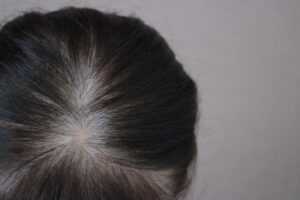
menopause woman's hairMiddle-aged oily odor tends to occur after sweating. It is often stronger in the back of the neck and the back of the ears, where you have sticky and oily sweat. Thus it tends to transfer to your pillow.
On the other hand, aging odor mainly arises in the chest and back, where sebum secretion is active. It often remains in the clothes of the person from whom the smell originated or even in the place where he/she was.

It is not only men! Women also have aging odor

Aging odor was used to describe the smell of middle-aged and older men. However, we know that aging odor occurs in women as they age. It shapes a part of body odor during menopause.
Female hormones usually suppress the excessive secretion of sebum. But the secretion of female hormones decreases during menopause. As a result, it promotes sebum secretion, and 2-nonenal, a skin gas that causes aging odor, is released more and more as we age.

In addition, sweat that flows in hot flashes and hyperhidrosis, two typical menopause symptoms, contain lactic acid, and it is better to pay attention to middle-aged oily odor.
Even for women, after middle-aged and older age, the components that generate unpleasant odors increase, making them smell aging odors. At the same time, the materials that give off pleasant body odors decrease.

For women, “lactone”, a component of fragrance that makes you feel the sweetness peculiar to women, is diffused. However, research results show that after age 35, the released lactone decreases sharply. It emphasizes the body odor during menopause.

What causes body odor during menopause?

Skin gases cause body odors when released at the oxidation and decomposition of secreted sebum and sweat components. Aging odor and middle-aged oily odor are classified as different odors because the elements of skin gases differ.

Cause of aging odor

Shiseido, the most prominent Japanese cosmetics brand, researched body odor and discovered that “2-nonenal” is the main component of body odor in middle-aged and elderly people. They named it “aging odor.” Sebum distribution decreases with age, but the amount of palmitoleic acid and lipid peroxide in the sebum, the raw material for 2-nonenal, increases, so the odor increases with age.

Causes of middle-aged oily odor

On the other hand, “middle-aged oily odor” is a smell named by Mandom. They are one of the famous Japanese cosmetics brands for men. They discovered a component of skin gas called “diacetyl.” “Diacetyl” is generated when bacteria indigenous to the skin decompose sweat containing lactic acid. Middle-aged oily odor tends to be especially strong on the back of the head and the neck we sweat much.

Beware of stress and fatigue odors!

Intense stress can make aging odors stronger. When stressed, it generates active oxygen, oxidizes sebum, and strengthens body odor.
Body odor may also include fatigue odor. When ammonia in the blood increases due to physical fatigue and psychological stress, it produces a pungent smell.

Is there a hidden illness behind body odor during menopause?

Diseases such as constipation, diabetes, gastrointestinal disorders, seborrheic dermatitis, and decreased kidney function can cause odor. If you suddenly feel a strong odor, you may have a hidden disease and need to consult a doctor. (This is not limited to menopausal women.)

How to deal with body odor during menopause? Five odor cares

How to deal with aging odor?

You can mitigate aging odors by taking appropriate measures.

Wipe off sweat

Routine care for sebum and sweat is the key to suppressing the generation of 2-nonenal and diacetyl. Do not let sweat remain on your skin; wipe it off with a handkerchief or sweat-wiping sheet.
Sweat itself has no odor. If you leave sweat unattended, the bacteria on the skin’s surface grow with it and generate the odor. Keeping your skin clean, such as wiping it off when you sweat and changing your clothes frequently, can reduce odors.

Soak in a bathtub

Spending long hours in an air-conditioned environment, many people lose the opportunity to sweat to regulate their body temperature. When the chances of sweating decrease, the function of the sweat glands deteriorates. It decreases the secretion of waste products in the body through sweat, and body odor tends to become stronger.

You can stimulate sweat gland function by soaking in a bathtub and warming the body. (The Japanese-style bathtub is not readily available elsewhere, and we recommend long showering or footbath as alternatives. (Here are some explanations of how.)

Wash one’s body carefully

You can clean away sebum and sweat by washing the body’s surface. Thoroughly wash areas that produce a lot of sebum, such as behind the ears, back of the neck, chest, and back, with soap. In particular, they say the scalp has more sebum than the T-zone of the face. Make sure to lather the shampoo well and not leave the shampoo residue on the scalp and hair.
However, scrubbing too much will increase the secretion of sebum indeed. Wash gently and carefully.

Use medicated soap

It is effective to use medicated soap containing ingredients that suppress the activity of bacteria that cause aging odor. By using medicated soap, you can create an environment where various bacteria can’t multiply actively even after sweating; thus, aging odor is less likely to occur.
For medicated soaps, we especially recommend polyphenols, which can expect to have high antibacterial and deodorizing effects. In addition, “Persimmon Tanitan,” “Tea catechin,” and “Bamboo vinegar liquid” are the ones with a good reputation in Japan.

Use antiperspirant

Using antiperspirants and deodorant sprays is an effective way to suppress aging and middle-aged oily odor. Antiperspirants come in cream, roll, and spray types. Cream and roll types that can be applied directly to the skin are the most effective deodorizing. In addition, the spray type is preferable because you can spray it on hard-to-reach places such as the back.
In addition, you can choose the feeling of use according to your preference. For example, you can pick those with powder that makes your skin smoother or those that give you refreshed feeling when you use it.

Lifestyle habits that prevent body odor during menopause

How to prevent aging

While sweat and body care are crucial to restrain aging odor, it is also essential to take measures from within. Keeping a healthy lifestyle will also help prevent aging. So what should we be careful about?

Don’t smoke

When you smoke, your blood vessels constrict, making it difficult for your blood to circulate. When the blood flow is blocked, it hinders the discharge of waste products and strengthens the odor of sebum.
In addition, the nicotine in cigarette smoke moves from the lungs to the blood when it enters the body and is dispersed through the skin. The smell of tobacco adds to the already challenging mixture of aging odor and middle-aged oily odor. For the sake of body odor and health, we recommend refraining from smoking.

Take a diet that suppresses aging odor, middle-aged oily odor, and fatigue odor

Daily meals are also essential in preventing the deterioration of body odor during and off menopause.

A diet that does not lean towards meat and fish

A well-balanced diet is vital to prevent aging. A diet that is biased towards meat and fish will increase the secretion of sebum. In addition to animal proteins such as meat and fish, it is necessary to devise ways to incorporate vegetable proteins such as soy products that suppress the generation of active oxygen. Of course, plenty of vegetables and the right amount of carbs are also essential. Eat a well-balanced diet to avoid malnutrition.

Foods with antioxidant properties

2-nonenal, which causes aging odor, is also generated by increased active enzymes, so actively take foods with antioxidant properties. Citrus fruits contain a lot of vitamin C, nuts contain vitamin E, green and yellow vegetables such as pumpkin and carrots contain a lot of β-carotene and carotenoids, and blueberries, wine, and bananas contain polyphenols. These foods have rich antioxidant properties.

Ingredients that regulate the intestinal environment

Adjusting the intestinal environment leads to the prevention of fatigue odor. It is crucial to increase the number of good bacteria in the intestine and reduce the number of harmful bacteria for a better intestinal environment. Harmful bacteria break down undigested proteins and amino acids that reach the large intestine, producing ammonia and other substances that cause bad odors.
Foods containing rich dietary fiber, such sea weed, mushroom and oligosaccharides, help increase good bacteria intestine. It will restrain the generation of ammonia, the cause of the bad odor, and help discharge other odorous substances with the stool. That is, it suppresses the aging odor.

Summary

In this article, we have introduced the causes, treatments, and prevention of aging odor. Age-related odor occurs at a certain age, regardless of gender, while menopause is also one of the causes of aging odor. However, you can suppress aging odor by taking appropriate measures. Prevention and countermeasures against aging odors require an external and internal approach.
By reviewing daily life, such as eating habits and body odor care, let’s live a healthy life without worrying about aging odors.

Take a soy food as a natural supplement

Juveriente®’s Effisoy, launched in 2016, based on fermented soy bean germ extract has been loved as a natural menopause relief since its launching in 2016. While it has gained reputation as a menopause supplement, it also has high anti-oxidant power coming from fermented soy. Isoflavone aglycone contained in Effisoy® has about 1,000 times of anti-oxidant potency than standard isoflavones. 

Besides is, its primary function is to boost the weakened synthesis of a hormone precursor, DHEA. It’s safe as it only heals the natural synthesis function. The hormone boost doesn’t provide the only relief from menopausal symptoms. But, it also supports various aging issues and increases metabolism, which leads to weight loss. It is not limited only for menopause women, but also after menopause or older. 

Here are some of the real product reviews in our Amazon shop.

“Restful sleep finally!!”, “I Am Now Free of Hot Flashes!!”, “Lifesaver”

LEARN MORE About Effisoy, made of fermented soy bean germ
The only supplement to contain fermented soy isoflavone beside Japan. 

How to improve blood vessels naturally / For your healthy life expectancy

How to improve blood vessels naturally for your healthy life expectancy

Watch out for rust and burns in your body

Last year, centenarians reached and exceeded 90,000 in the USA and Japan. (Surprising to see the number of centenarians per population in Japan!!.) When this happens, how to extend the “healthy life expectancy” that allows people to eat, bathe, and go out on their own in daily life becomes a significant issue. A doctor of anti-aging medicine claims “How to improve blood vessels naturally is crucial.” The key is your body’s oxidation (rust) and saccharification (burn).

Aging agents

Pay attention to rust and burns in your body

As a 17th-century English physician already said, “People age along with their blood vessels,” the susceptibility of blood vessels to aging has long been known. Professor Michiya Igase of Ehime University School of Medicine (anti-aging medicine) says, “To live a healthy old age, keep your blood vessels young that deliver nutrients and oxygen to every corner of your body. In pursuit of how to improve blood vessels naturally, pay attention to rust and burns in your body. ,” he emphasizes.

Rust: reactive oxygen or oxidation

Rust is the corrosion of metal caused by the redox reaction of oxygen and water. In the body, “reactive oxygen,” which is unstable and highly toxic, damages DNA, causes cancer, and ages blood vessels and other tissues. It is also known as “oxidation.”

Burns: Saccharification

Charred proteins are “advanced glycation end products” (AGEs) degraded by binding sugars. It is the “burns,” or saccharification. In recent years, it has begun to attract attention as the leading cause of aging, such as wrinkles and spots in the skin, arteriosclerosis in the blood vessels, osteoporosis in the bones, and dementia in the brain.

Antioxidant in food

90% of the taken oxygen is used for energy production, but about 2% of it becomes active oxygen. Many factors increase it, such as stress, lack of sleep, smoking, strenuous exercise, and overeating fried foods.olive oil

We have an enzyme (SOD) to degrade active oxygen. Still, it decreases with age, so it is essential to take antioxidant substances. Typical examples are α-hydroxy acids, abundant in pineapples, and vitamins C, E, and A.

“Olive oil and garlic are the first foods that reduce active oxygen,” says Igase. The antioxidant activity of the former is 10 times that of vitamin C. Garlic is rich in vitamins C and E and activates SOD.

Behind the deliciousness

AGEs increase due to smoking, drinking alcohol, and excessive intake of carbohydrates and fats. Glucose in the blood binds to proteins and is taken in from food. “Most of it is excreted, but about 7% accumulates” (Igase)
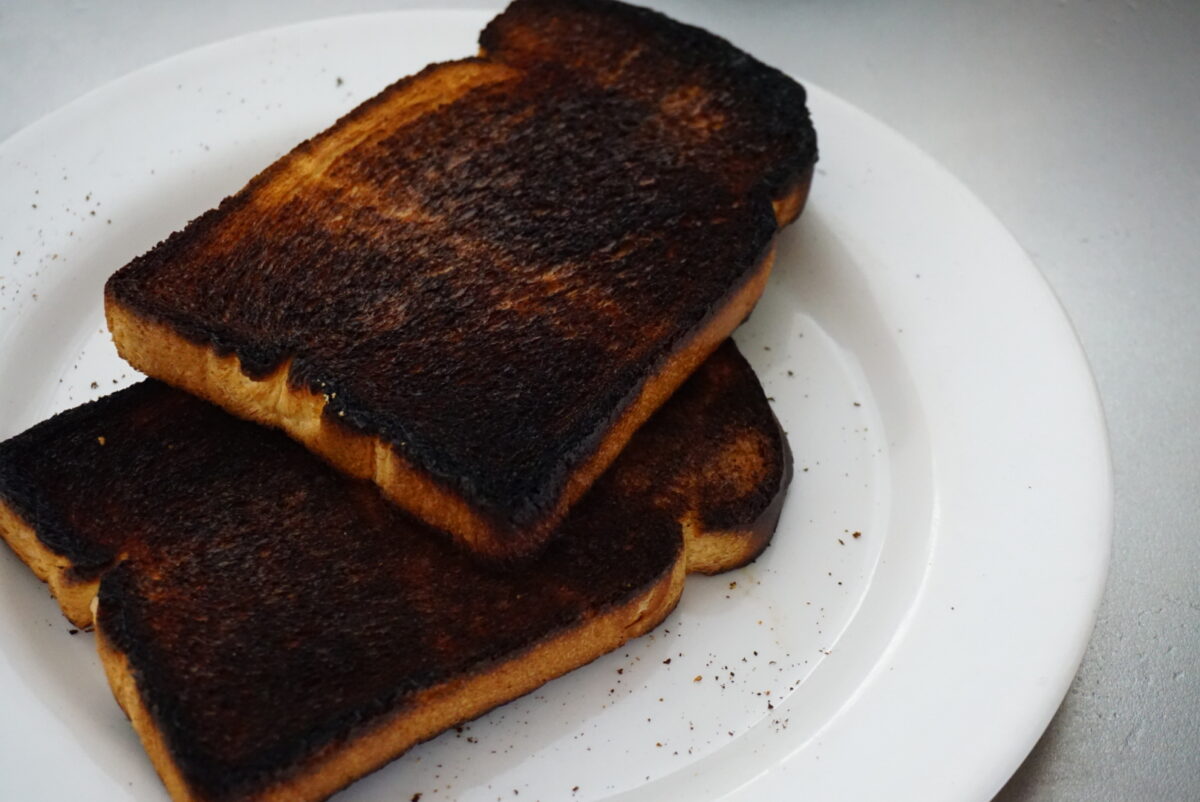
It is produced in food through cooking. It does not increase below the boiling temperature but dramatically when cooking, such as baking or frying.

When heated, the Maillard reaction turns reducing-sugar and protein brown and generates AGEs. The caramel color of well-fried onions, coffee beans, roasted meat, cookies, and bread shows the Maillard reaction. The same is the brown color of chocolate. Be careful not to overeat this kind of food. However, charring by heating is slightly different from the Maillard reaction.

Artificial sweeteners

artificial sweetnersWatch out for artificial sweeteners often used in sweets and soft drinks. It produces AGEs 10 times faster than glucose. It is easy to accumulate when the blood sugar rises rapidly after eating. So it is said that a diet method, eating vegetables at first, then protein, and finally a small amount of carbohydrates, is also effective.
General health methods such as aerobic exercise and other physical activity, smoking cessation, getting enough sleep, and eating a good breakfast also mitigate or restrain the increase of AGEs.

How to improve blood vessels naturally with your daily habits

Active oxygen and AGEs are two significant factors in aging, but their countermeasures have much in common. “Aging can be prevented and treated. Improve your blood vessel health daily. It will extend your healthy life expectancy and prevent aging in other parts of your body, such as your skin and brain,” Igase said.

How to improve blood vessels naturally; deal with active oxygen and advanced glycation end products

DIET

Active oxygen

1 Take Antioxidants
1.1 α-hydroxy acids
1.2 Vitamins C, E and A
1.3 Polyphenols
1.4 Catechin
1.5 β-carotene, etc.
2 Foods such as olive oil and garlic
3 Avoid fried foods

Advanced glycation end product

1. The order of meals is vegetables → protein → carbohydrates
2. Don’t eat too much sugar and fat
3. Avoid Artificial Sweeteners
4. Prefer boiled or steamed foods to baked or fried foods.
5. Eat a good breakfast

OTHERS

Active oxygen

1. Quit smoking and drink less
2. Avoid stress
3. Get enough sleep
4. Avoid strenuous exercise and exercise lightly
5. Avoid UV rays

Advanced glycation end product

1. Quit smoking and drink less
2. Avoid stress
3. Get enough sleep
4. Moderate exercise centered on aerobic exercise

How to improve blood vessels naturally, with a natural supplement

Juveriente®’s Effisoy, launched in 2016, based on fermented soy bean germ extract has been loved as a natural menopause relief since its launching in 2016. While it has gained reputation as a menopause supplement, it also has high anti-oxidant power coming from fermented soy. Isoflavone aglycone contained in Effisoy® has about 1,000 times of anti-oxidant potency than standard isoflavones. 

Besides is, its primary function is to boost the weakened synthesis of a hormone precursor, DHEA. It’s safe as it only heals the natural synthesis function. The hormone boost doesn’t provide the only relief from menopausal symptoms. But, it also supports various aging issues and increases metabolism, which leads to weight loss. It is not limited only for menopause women, but also after menopause or older. 

Here are some of the real product reviews in our Amazon shop.

“Restful sleep finally!!”, “I Am Now Free of Hot Flashes!!”, “Lifesaver”

LEARN MORE About Effisoy, made of fermented soy bean germ
The only supplement to contain fermented soy isoflavone beside Japan. 

Common causes of insomnia in elderly

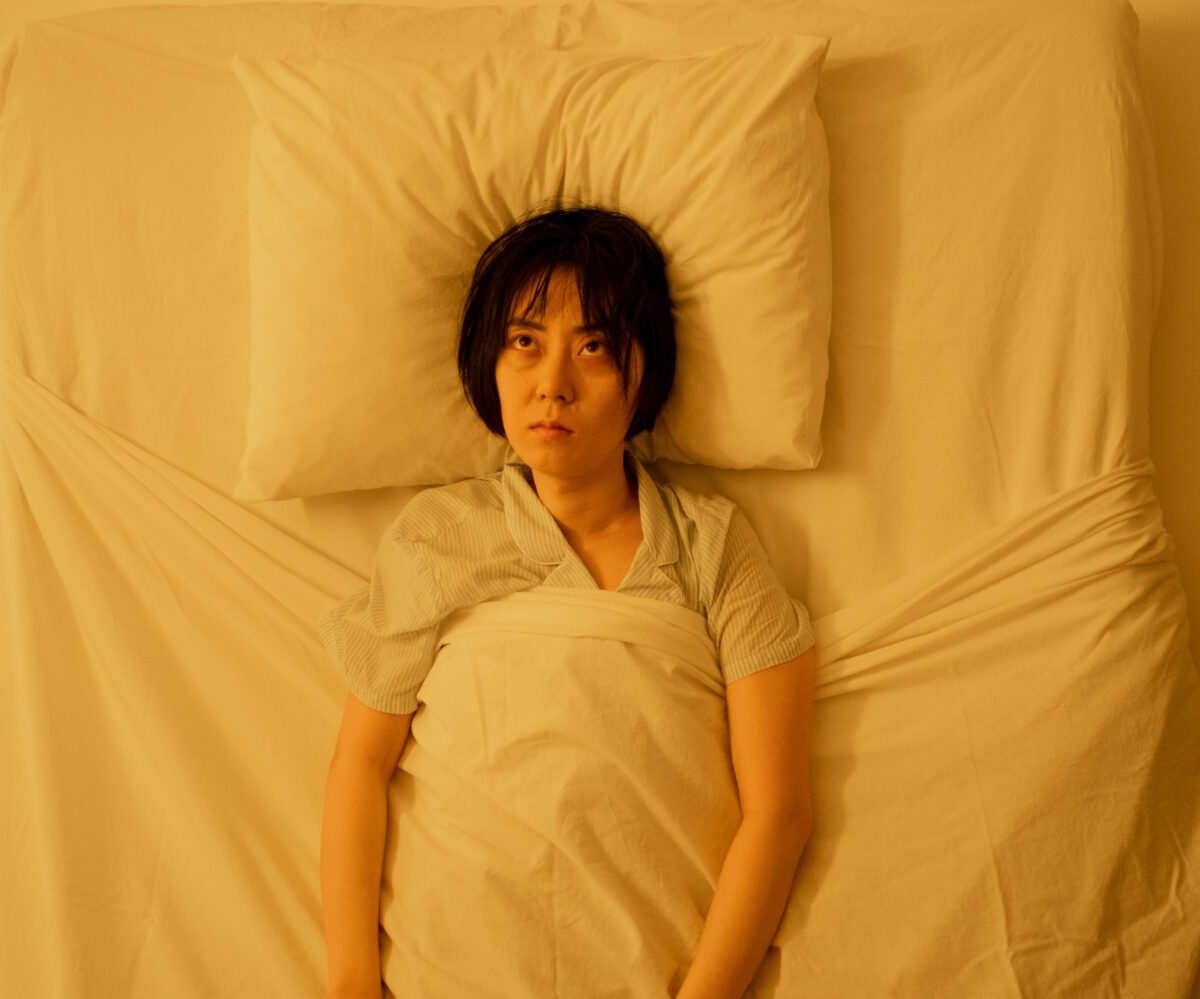
Sleep changes with age. There are some common causes of insomnia in elderly. They make older people sleep shallowly, awakening in the middle of the night and early morning awakening increase. In addition, insomnia appears when a person suffers from a mental or physical disease that interferes with sleep.

(Please also refer our another article, “How can I get myself to fall asleep?”)

Sleep changes with age

As we age, our physical strength declines, we develop presbyopia, and our hair grows gray. The common causes of insomnia in elderly lie in such changes in sleep with age.

Comparison of sleep between young and old people

Older people tend to go to bed and wake up earlier than when they were younger. This is due to age-related changes in the biological clock, and not only sleep, but also many physical function rhythms that support sleep, such as blood pressure, body temperature, and hormone secretion, are brought forward. This is one of the common causes of insomnia in elderly. In this context, early morning awakening in elderly is something normal. Go to bed when you feel sleepy, and if you wake up early and can’t get back to sleep, get out of bed and utilize your morning time.

In addition, sleep becomes lighter in elderly. When we see sleep EEG, deep non-REM sleep decreases, and light non-REM sleep increases. Therefore, even the urge to urinate or the slightest noise will often wake you up.

Maybe you are in bed too long?

Sleep wellEarly to bed and early to rise is OK. But don’t go to bed only because you have nothing to do when you’re not sleepy. It may also be one of the common causes of insomnia in elderly. It makes falling asleep worse and awakening in the middle increases. As you get older, the amount of time you can sleep gets shorter. Trying to have the same amount of sleep as when you were young is unreasonable.

It is known that older adults spend more time in bed. That is, you spend less time sleeping and more time in bed. As a result, the amount of time spent in bed without sleep increases, and the level of satisfaction with sleep decreases.

Mental and physical stresses on older people

Various stresses may make older people susceptible to insomnia. There may be mental stresses from retirement, bereavement and living alone, inactive and lackluster daily life, mental and physical diseases, and side effects of drugs to treat them, etc. There will also be physical stresses like nighttime chest tightness due to angina pectoris or myocardial infarction, frequent urination due to prostatic hyperplasia, itching due to skin pruritus, pains due to rheumatoid arthritis, and many more limitlessly. Drugs for such disorders are also common causes of insomnia in elderly.

Daily habits

In addition, lifestyle habits (lack of exercise, working night shifts, etc.) and luxury items (drinks containing caffeine and alcoholic beverages) that did not affect sleep in your youth can also cause sleep disorders now.

If you have insomnia or drowsiness, treatment starts by identifying the right cause and taking suitable measures.

Special sleep disorders

Besides all the above general issues, there are special sleep disorders that older people are prone to. They are apnea syndrome, restless legs syndrome, periodic limb movement disorder, REM sleep behavior disorder, etc. These special sleep disorders have their own treatments and cannot be cured with ordinary sleeping pills. If these sleep disorders are suspected, we recommend you consult a doctor specializing in sleep difficulties.

Sleeping pills prescribed by doctors are usually safe, so you don’t need to worry too much. However, older people are more sensitive to sleeping pills than younger people (smaller doses are more effective). Their ability to excrete them from the body is weaker, and older people must use them more carefully. Sleeping pills with fewer side effects, such as dizziness, have recently been reported.

Dementia sleep problems

People with dementia, such as Alzheimer’s disease, sleep more lightly than their peers, and various sleep problems can be seen. It is said that people with severe dementia cannot sleep continuously, even for a short period, such as one hour. People with dementia experience insomnia at night and naps during the day. It leads to an irregular sleep-wake rhythm and reverses day and night. In addition, a dizzying state called “delirium” often appears because it is difficult to stay awake. At times like this, they become easily agitated and sometimes aggressive due to anxiety, increasing the burden of caregiving. Some people with dementia have a phenomenon called sunset syndrome, in which abnormal behaviors such as wandering, irritation, excitement, and strange voices are conspicuous from the evening to bedtime. This is also thought to be related to abnormal sleep-wake rhythms.

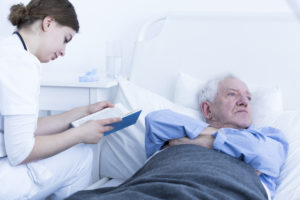
sick old man in bed

Unfortunately, no drug therapy is known to be effective for sleep disorders in dementia patients. Even if the effect appears, it is often temporary, and long-term use should be avoided. If you use such sleeping pills and sedatives excessively because they work low, too much usage can lead to severe drowsiness, aspiration, falls, broken bones, etc., resulting in a lower quality of life. As a result, an increased nursing care burden. Here are some tips for coping with sleep disorders in people with dementia: There is no immediate effect, but we recommend you to keep doing them patiently. While using these as references, please try to “provide them stimulation during the day as much as possible to wake them up,” “maintain a daily rhythm with a regular routine,” and “eliminate factors that interfere with nighttime sleep.”

To help people with dementia sleep

Most of the following will also help to address common causes of insomnia in elderly even without dementia.

Adjust the sleeping environment (room temperature, illuminance)
Soak up the sun in the morning
Make bedtime and awakening times regularly
Arrange meal times regularly
Avoid naps/do not use the bed during the day
Physical exercise at set times (avoid more than 4 hours before going to bed)
Do not drink excessive fluids after the evening
Avoid alcohol, caffeine, and nicotine
Coping with pain adequately (often unnoticed)
Avoid taking dementia medications (cholinesterase inhibitors) Afternoon

Balance your hormone with a natural supplement for the better sleep

Juveriente®’s Effisoy, launched in 2016, based on fermented soy bean germ extract has been loved as a natural menopause relief since its launching in 2016. 

Its primary function is to boost the weakened synthesis of a hormone precursor, DHEA. It’s safe as it only heals the natural synthesis function. The hormone boost doesn’t provide the only relief from menopausal symptoms. But, it also supports various aging issues and increases metabolism, which leads to weight loss. It is not limited only for menopause women, but also after menopause or older. 

Here are some of the real product reviews in our Amazon shop.

“Restful sleep finally!!”, “I Am Now Free of Hot Flashes!!”, “Lifesaver”

LEARN MORE About Effisoy, made of fermented soy bean germ
The only supplement to contain fermented soy isoflavone beside Japan. 

Foods that help bone strength, and habits to weaken your bones

Prevent bedridden! Foods that help bone strength and that weaken your bones

Calcium is essential to keep bones strong and durable. However, many people lack calcium, which is vital for strong bones. A calcium-deficient diet is a major cause of weak bones. When bones become fragile, fractures, being bedridden, and locomotive Syndrome* can greatly hinder daily life. This article introduces foods that help bone strength and dietary habits that weaken your bones. Change your eating habits to improve bone strength.

What is Locomotive Syndrome*?
It refers to the state in which the ability to move, such as standing and walking, a basic human movement, is degraded.

Benefits of healthy bone strength

Strengthening bones means building healthy bone strength with high bone density. Strengthening bones reduces the risk of osteoporosis and bone fractures associated with aging and helps prevent people from needing long-term care and becoming bedridden.

In addition, the method of strengthening bones is closely related to suppressing joint cartilage wear, so it is highly effective in preventing joint and back pain.

Let’s learn about lifestyle habits toward healthy bone strength to live free from fractures and joint pain.

Check items for lifestyle habits that weaken bones

First of all, I will introduce lifestyle habits that are at risk of weakening bones. Check if any of the following items come to mind.

Does anything come to mind?

  1. No milk or yogurt during the day
  2. Rarely eats three meals a day (breakfast, lunch, and dinner)
  3. I like snacks and eat them often
  4. I think I’m obese
  5. No habit of exercising
  6. Bow legs

The more items that apply to the above, the weaker your bones may be without realizing it. Hence, you need to be careful, such as improving your lifestyle.

Also, bones tend to weaken with age, and post-menopausal women have an exceptionally high risk of osteoporosis.

Extreme diets put your bone strength at risk.

extreme diet

However, it is not only middle-aged and elderly people who need to be careful about lifestyle habits that weaken bones. Suppose even young people are on extreme diets or have severe dietary restrictions. In that case, their bodies may become malnourished, and their bone density may become similar to that of the elderly.

A decrease in bone density leads to an increased risk of osteoporosis, so try not to restrict your diet unreasonably.

Calcium is a nutrient that keeps bone strength.

Bones comprise calcium, proteins such as collagen, and phosphorus. Calcium is the nutrient that makes bones particularly hard and robust. Calcium is the most abundant mineral in the human body, 99% of which is found in bones and teeth.

Bone takes in calcium from the blood and repeats regeneration every day. Suppose there is a shortage of calcium and nutrients that support calcium. In that case, the bones will try to replenish calcium even if they dissolve themselves, causing further calcium deficiency.

Main foods that help bone strength with rich calcium

Foods high in calcium include:

Foods that you should actively take to help bone strength;

  1. Milk, dairy products (yogurt)
  2. Soybeans, processed soybeans (tofu, okara, natto, all Japanese foods!!)
  3. Seafood (dried shrimp, small fish)
  4. Vegetables (Kale, Moroheiya)
  5. Seaweed
  6. Satsuma mandarin orange: helps bone metabolism from the cellular level

However, one thing to remember is that if you only eat dairy products, even though they contain a lot of calcium, you will lack other nutrients. A balanced diet with various foods that help bone strength is ideal.

Take the essence of Satsuma mandarin orange with a natural supplement

A cohort study in Japan reports that blood concentration of Beta cryptoxanthin, which is richly contained in Satsuma mandarin orange, shows a strong correlation. But, it is rather indigenous to Japan and China, and hard to take for people in other regions.  Juveriente®’s natural bone supplement, “Bone Strength Complex” brings you its essence to you as a natural supplement. Since its launching in 2016, it has gathered positive feedbacks as the following.

Mandarin OrangeI have been taking Juveriente Bone Strength Complex for two years. I was waiting for my bone density test this year to write a review. My bone density test results improved. I was diagnosed with Osteoporosis two years ago. The prescription medications for Osteoporosis have too many side affects and I was looking for a good alternative. I am proud to report this product works and has no side affects. The gel capsules are easy to swallow.” (Nov. 17th 2022, a product review for our Amazon shop)

The main functional ingredient is simply an extract of a Japanese popular citrus fruit. Needless to say, it is better to try a natural food before jumping to strong medicines. Please learn details in our product page.

LEARN MORE BSC


Nutrients that help bone strength by supporting calcium absorption

Calcium taken from foods is absorbed in the intestine, but calcium is difficult to absorb. Therefore, it is essential to combine nutrients that support calcium absorption.

Nutrients that support calcium absorption and foods rich in them include: It is recommended to take calcium-rich foods together, as this will improve the overall balance of the diet.

  1. Protein (collagen): meat, fish, tofu
  2. Vitamin C: vegetables, fruits
  3. Vitamin D: mushrooms
  4. Vitamin K: broccoli, moroheiya
  5. Magnesium: soybeans, almonds

Nutrients that don’t help but even interfere with bone strength

Even if you take a lot of calcium, it will be challenging to strengthen your bones if you follow a diet that prevents calcium absorption or a lifestyle that weakens your bones.

Phosphorus

Phosphorus is an essential nutrient for the body, but too much interferes with calcium absorption. It is often contained in processed foods, so be careful if you eat out or eat convenience store lunches.

Salt

Be careful not to take too much salt as it interferes with calcium absorption. If you overeat cheese or small fish to get enough calcium, you will overeat salt, so be careful.

Alcohol

Excessive consumption of alcohol impairs the absorption of calcium. Try to keep it to an appropriate amount or make a liver-free day.

Tobacco

Cigarette nicotine also interferes with calcium absorption and increases the risk of osteoporosis. People with a smoking habit can expect the effect of strengthening their bones simply by quitting or reducing the number of cigarettes.
In addition, people who do not have the habit of moving their bodies quickly weaken their bones, so caution is required.

Summary: Prevention of bedriddenness! There are foods that help bone strength and foods that weaken it.

Bone density, which indicates bone strength, decreases with age. In particular, they say women significantly lower bone density during menopause, increasing the risk of osteoporosis. In addition, extreme diets and dietary restrictions are not recommended for middle-aged and elderly people but also for young people, as they cause a decrease in bone density.

Adequate calcium intake and moderate exercise are essential factors in maintaining bone health. Try to avoid foods and lifestyle habits that interfere with calcium absorption.

As mentioned above, there are foods that help bone strength and foods that weaken them. We should be careful in daily life.

Menopause Without HRT: Evidence-Based Ways to Manage Symptoms Naturally

Menopause is a natural stage of life, but every woman experiences it differently.

Some women go through menopause with relatively few symptoms. Others struggle with hot flashes, night sweats, sleep problems, mood changes, fatigue, and other symptoms that can interfere with everyday life.

Hormone replacement therapy (HRT) can be a highly effective treatment for menopausal symptoms. However, some women cannot use HRT for medical reasons, while others simply prefer to explore nonhormonal approaches first.

So, can you manage menopause without HRT?

For many women, the answer is yes.

But choosing not to use HRT does not mean doing nothing. Nor does it mean relying only on “natural remedies.”

Today, women have a range of options, from nonhormonal medical treatments to exercise, diet, sleep, and stress management.

At Juveriente®, we have also spent years looking at another fascinating area: the traditional Japanese diet, soy isoflavones, and fermented soy.

Can You Manage Menopause Without HRT?

Many women go through menopause without using hormone replacement therapy.

That does not mean that natural approaches are necessarily better than HRT.

HRT can be particularly effective for symptoms such as hot flashes and night sweats. Whether it is appropriate for an individual woman depends on factors including her health history, age, symptoms, and personal preferences.

The important point is not to think of menopause management as a simple choice between:

HRT or natural remedies.

There are many options in between.

If menopausal symptoms are significantly affecting your sleep, work, or quality of life, it is worth discussing the available options—including HRT—with a qualified healthcare professional.

Nonhormonal Options Are Available

When people hear “menopause without HRT,” they may immediately think about herbs or supplements.

But nonhormonal medical treatments are also available.

Certain SSRIs and SNRIs, gabapentin, and other medications may be used to help manage vasomotor symptoms such as hot flashes and night sweats.

More recently, nonhormonal medications that target neural pathways involved in the body’s temperature regulation have also become available.

In other words:

Without HRT does not mean without medical treatment.

If your symptoms are severe or are interfering with everyday life, talking with a healthcare professional should be part of the conversation.

Lifestyle Still Matters

Whether or not you use medication, everyday lifestyle habits matter during and after menopause.

Lifestyle changes may not eliminate every menopausal symptom, but movement, sleep, nutrition, and stress management can support your health well beyond the menopausal transition.

Keep Moving

Walking, strength training, and other forms of regular physical activity can help support your muscles, bones, cardiovascular health, mood, and overall well-being.

This becomes particularly important after menopause, when both bone and muscle loss can accelerate.

You do not necessarily need an intense exercise program.

Walking, taking the stairs, shopping, gardening, and simply continuing to move throughout the day all count.

Staying active is not just about managing your weight. It is also about protecting your ability to stay active and independent as you grow older.

Protect Your Sleep

Hot flashes and night sweats can make good sleep difficult.

Keeping your bedroom cool, reconsidering the timing of caffeine and alcohol, and maintaining a regular sleep schedule may help create a better environment for sleep.

If sleep problems persist for a long time, however, it may be worth discussing them with a healthcare professional, since menopause is not the only possible cause of poor sleep.

Find Your Way to Relax

Stress cannot always be avoided, especially during midlife.

For many women, menopause arrives at the same time as career pressures, caring for aging parents, family responsibilities, and other major life changes.

Walking, reading, spending time with friends, or simply setting aside quiet time can all help.

In Japan, soaking in a warm bath has long been part of everyday life.

A bath should not be thought of as a “menopause treatment.” But the Japanese habit of creating a little time at the end of the day to relax both body and mind may still be worth borrowing.

What You Eat During Menopause Matters

Menopause is not only about dealing with the symptoms you are experiencing today.

It is also a good time to think about your health 10 or 20 years from now.

A balanced diet built around vegetables, fruits, fish, whole grains, legumes, and good sources of protein provides a strong foundation for healthy aging.

Bone health deserves particular attention after menopause.

Estrogen decline can accelerate bone loss, so it is important to think beyond calcium alone. Vitamin D, protein, magnesium, physical activity, and other factors also play important roles in maintaining strong bones.

There is no single miracle food that can “solve” menopause.

What matters much more is the pattern of small choices you make every day.

What Can We Learn From Japanese Women?

This brings us to a subject that Juveriente has been interested in for many years.

Historically, researchers have reported differences in how Japanese and Western women experience and report menopausal symptoms.

That does not mean we can simply say:

“Japanese women have fewer menopausal symptoms because they eat soy.”

The reality is much more complicated.

Diet, body composition, lifestyle, genetics, cultural differences in how symptoms are perceived and reported, and many other factors may all play a role.

Nevertheless, one part of the traditional Japanese diet has attracted considerable scientific interest:

soy.

Why Are Soy Isoflavones Called Phytoestrogens?

Soybeans naturally contain compounds called isoflavones.

Because their molecular structures have some similarities to estradiol and they can interact with estrogen receptors, isoflavones are often described as phytoestrogens, or plant estrogens.

But this term can easily cause misunderstanding.

Soy isoflavones are not estrogen.

Their estrogen-like activity is far gentler than that of the body’s own estrogen.

So eating soy is not the same thing as taking estrogen.

During menopause, the body’s estrogen levels decline substantially. Isoflavones can interact weakly and selectively with estrogen receptors, which is one reason researchers have been interested in their potential role during menopause.

The key idea is not that soy “replaces estrogen,” but that isoflavones have a much gentler estrogen-like interaction with the body.

Glycoside vs. Aglycone: Not All Isoflavones Are the Same

At Juveriente, we have been particularly interested not only in how much isoflavone you consume, but also in what formit takes.

Many isoflavones found naturally in soy foods are present as glycosides.

A glycoside has a sugar molecule attached to it. Before it can be absorbed in aglycone form, that sugar portion must first be removed in the digestive tract.

In simple terms:

Glycoside → removal of the sugar portion → Aglycone

Aglycone isoflavones have already had this sugar portion removed.

And this is where something familiar from traditional Japanese food culture becomes especially interesting:

fermentation.

Fermentation Does Part of the Work Before We Eat

Japan has a long tradition of eating fermented soy foods.

One of the most familiar examples is miso.

During fermentation, microorganisms and their enzymes transform compounds in soy. One of these changes is the conversion of some isoflavone glycosides into their aglycone forms.

In a sense, fermentation performs part of the transformation before we eat the food.

As a result, aglycone isoflavones can differ from glycosides in how quickly they become available for absorption.

This is why we believe it is worth looking beyond simply asking:

“How many milligrams of soy isoflavones does this contain?”

Another useful question is:

“What form are those isoflavones in?”

So, Should We Just Eat More Miso?

At this point, there is an obvious question.

If fermented soy contains aglycone isoflavones, why not simply drink more miso soup?

Miso is a wonderful traditional Japanese food, and it can certainly be part of a healthy diet.

But simply increasing miso consumption is not necessarily the answer.

Miso also contains salt. Drinking more and more miso soup simply to increase your intake of fermented soy isoflavones would therefore not be a sensible strategy.

There is also a practical cultural issue.

For someone who grew up in Japan, a bowl of miso soup may feel like an ordinary part of daily life. For a woman who grew up with a completely different food culture, drinking miso soup every day may not be realistic or appealing.

The goal is not to copy the Japanese diet literally.

A better approach is to ask what we can learn from traditional Japanese food culture—and how some of those ideas might fit into modern life.

What Does the Research Say About Aglycone Isoflavones?

This is where we need to separate an interesting idea from scientific evidence.

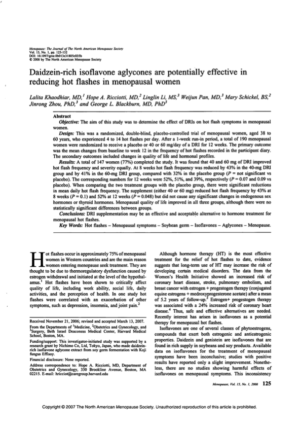
In a randomized, double-blind, placebo-controlled study involving postmenopausal women with hot flashes, researchers investigated daily supplementation with 40 mg or 60 mg of daidzein-rich isoflavone aglycones.

Hot flash frequency decreased by approximately 43% to 52% after 8 to 12 weeks in the supplementation groups.

That does not mean that aglycone isoflavones have been proven to eliminate hot flashes or that they work for every woman.

Research on soy isoflavones and menopausal symptoms as a whole has produced mixed results.

But studies such as this raise an interesting question: rather than treating all “soy isoflavones” as identical, should we also be paying attention to their form and composition?

We think that question is worth exploring.

Another Interesting Finding: AglyMax® and DHEA-S

There is another area of research that has attracted our attention.

AglyMax® is a daidzein-rich isoflavone aglycone ingredient produced from fermented soy germ.

In an eight-week open-label feasibility study, 40 Japanese menopausal women consumed 20–40 mg of AglyMax per day.

Their average blood DHEA-S level increased from 890 ± 112 ng/ml at baseline to 2,430 ± 210 ng/ml after eight weeks.

Importantly, the researchers reported no significant changes in the other measured endogenous sex hormone levels.

That last point is important.

This study does not show that AglyMax simply raises estrogen.

Instead, it points toward another potentially interesting relationship between soy isoflavones and the body’s steroid hormone pathways.

A Possible Mechanism Behind the DHEA Finding

Why might soy isoflavones influence DHEA-S?

Laboratory research using human adrenal cortical cells provides one possible clue.

Researchers found that the soy isoflavones genistein and daidzein decreased cortisol production under certain experimental conditions, while DHEA and DHEA-S production increased in some adrenal cell models.

One mechanism proposed by the researchers is that suppressing part of the cortisol synthesis pathway could leave more steroid precursors available for DHEA synthesis.

This is especially interesting because DHEA is a precursor in the body’s pathways for producing both androgenic and estrogenic sex steroids. The researchers therefore proposed that increased adrenal androgen production could potentially contribute indirectly to some of the biological effects associated with dietary phytoestrogens.

But we need to be careful here.

This does not prove that taking AglyMax causes the body to produce exactly the estrogen it needs.

That would go beyond what these studies demonstrate.

What the research does give us is an interesting scientific reason to continue investigating how soy isoflavones may interact with the body’s own hormone pathways.

From Japanese Food Culture to Modern Menopause Support

Now we can bring the pieces together.

For generations, people in Japan have eaten soy not as a special “menopause food,” but simply as part of everyday life—in tofu, miso, natto, and many other foods.

Some of those foods are fermented.

Modern research has allowed us to look more closely at what happens during that fermentation and to distinguish between different forms of isoflavones.

The story becomes:

Soy → Isoflavones → Glycoside and Aglycone Forms → Fermentation → Absorption and Metabolism

This does not mean that copying the Japanese diet will automatically give someone the health outcomes of a Japanese woman.

Instead, our approach at Juveriente is to look at traditional Japanese food culture, identify ideas that are scientifically interesting, and then examine what modern research actually tells us about them.

Where AglyMax® and Juveriente® Effisoy® Fit In

Juveriente® Effisoy® AM/PM contains AglyMax®, a daidzein-rich aglycone isoflavone ingredient derived from fermented soy germ.

There is an important distinction we want to make clear.

The research discussed above was not conducted on the current Juveriente® Effisoy® finished product.

The studies investigated AglyMax® or daidzein-rich isoflavone aglycone preparations related to the ingredient approach used in our product.

Effisoy is not HRT, and it should not be considered a replacement for medical treatment.

Rather, it was created for women who are interested in soy isoflavones—and particularly in the fermented, aglycone form—as one part of their daily approach to healthy aging and menopause support.

Menopause Without HRT Is Not One-Size-Fits-All

There is no single correct way to manage menopause.

For some women, HRT may be the right choice.

Others may benefit from nonhormonal medications.

Some women may have relatively mild symptoms and focus primarily on nutrition, exercise, sleep, stress management, and other everyday habits.

Soy isoflavones are one more area that has been studied within this much larger picture.

Menopause is also about more than getting through hot flashes and night sweats.

It can be a time to think about the decades ahead: keeping your bones strong, maintaining your muscles, staying active, going where you want to go, and continuing to enjoy the things that matter to you.

There are things we can learn from traditional Japanese food culture. There are things we can learn from modern medicine. And there are things we are continuing to learn from nutrition science.

None of them needs to be treated as the one and only answer.

The goal is to understand your options, look at the evidence, and find an approach that fits your own body, health, and life.

Best Bone Supplement for Elderly

Osteoporosis is characterized by decreased bone density and mass, increasing fracture susceptibility. Since it is more likely to progress with age, the incidence increases. In addition, in the case of older people, there are many cases where this disease makes them prone to fractures or become bedridden. What is the best bone supplement for elderly?

Medicines for osteoporosis

Avoiding too strong medicines in their health care may be better for older adults. Bisphosphonates may cause gastrointestinal symptoms such as nausea and stomach pain, while SERMs may worsen menopausal symptoms. Active vitamin D3 drugs, on the other hand, are characterized by fewer serious side effects.
In addition, as a side effect of Bisphosp

Sleep well

honates and Denosumab, which suppress the action of bone absorption, cases of jawbone necrosis during dental treatment, such as tooth extraction, have been reported as rare cases. When you receive dental treatment, tell your dentist that you are using the medicine that suppresses bone absorption, and also make efforts to manage oral hygiene. Although rare, atypical femoral fractures also happen.

Calcium and Vitamin D as bone supplements for elderly

The first bone supplements that come to mind are calcium and vitamin D.
In December 2017, the Department of Orthopedic Surgery, Tianjin Hospital, China, published an interesting academic paper. The title was “How do calcium and vitamin D supplements affect osteoporosis?”
(Reference: Association Between Calcium or Vitamin D Supplementation and Fracture Incidence in Community-Dwelling Older Adults: A Systematic Review and Meta-analysis.JAMA. 2017 Dec 26./)

It concludes, “There is no evidence to suggest that calcium alone, vitamin D alone, or both calcium and vitamin D can prevent vertebral and hip fractures in the elderly, etc.
There have been various claims that those two materials help bone health, and even the clinical guidelines for osteoporosis prevention recommend supplements in some countries.
This new opposite perspective caused repercussions in the related industries.

What else do we have? Best bone supplement for elderly?

Beside the above famous materials, Juveriente®’s natural bone supplement, “Bone Strength Complex” may be the new best supplement for elderly. Since its launching in 2016, it has gathered positive feedbacks as the following.

Mandarin OrangeI have been taking Juveriente Bone Strength Complex for two years. I was waiting for my bone density test this year to write a review. My bone density test results improved. I was diagnosed with Osteoporosis two years ago. The prescription medications for Osteoporosis have too many side affects and I was looking for a good alternative. I am proud to report this product works and has no side affects. The gel capsules are easy to swallow.” (Nov. 17th 2022, a product review for our Amazon shop)

The main functional ingredient is simply an extract of a Japanese popular citrus fruit. Needless to say, it is better to try a natural food before jumping to strong medicines. Please learn details in our product page.

LEARN MORE BSC


Osteoporosis prevention by bone strengthening

What is necessary to prevent osteoporosis other than supplements?
The answer is “stimulation to strengthen bones = exercise (strength training).”

The German medical scientist Wolff advocated that “bone repels applied force (Wolff’s law.).” Now we know that bone density increases by training muscle strength.

Osteoporosis is particularly prevalent in older women. They say that the risk of developing osteoporosis in women is several times higher than in men because the secretion of hormones in women decreases markedly due to menopause, and the inhibitory effect of estrogen on bone resorption decreases.

“strength training to strengthen bones” is necessary to reduce this risk even a little.

Senile osteoporosis symptoms, prevention and therapies

Today we will discuss about osteoporosis focusing on senile osteoporosis symptoms. What are the differences from other types and how can you prevent and treat?

What is osteoporosis

In a disease where bone density decreases, bones gradually become brittle and prone to fractures. It is osteoporosis. There are two types.
The first type is primary osteoporosis. There is no specific cause, just functional bone formation and resorption abnormalities.
There are three types of primary osteoporosis.

(1) Postmenopausal osteoporosis
(2) Senile osteoporosis
(3) Idiopathic osteoporosis

Osteoporosis in older women is a mixture of two components: postmenopausal osteoporosis and senile osteoporosis.

The second type is secondary osteoporosis. It happens upon another underlying disease.

About senile osteoporosis

A deficiency of estrogen, the primary female hormone, causes postmenopausal osteoporosis. Estrogen works in women’s bodies to regulate calcium uptake into bones. Postmenopausal osteoporosis usually affects postmenopausal women between the ages of 51 and 75, although it can occur earlier or later in some women.

On the other hand, we think senile osteoporosis is caused by age-related calcium and vitamin D deficiency and an imbalance between bone resorption and bone formation. It usually affects people over 70 and is twice as common in women as in men.

Senile osteoporosis symptoms

(1) The most significant difference in senile osteoporosis is not in the symptoms but the age when it happens.  That is, the aftermath of possible bone fractures. Once a fracture occurs, it may force long-term rest, leading to “bedridden.” for older people. (Falls are the most common cause of bone fractures in them!)

(2) The symptoms are almost the same as other osteoporosis. The loss of bone density progresses very slowly. For this reason, there are no symptoms in the early stages of osteoporosis, and even as the disease progresses, subjective symptoms may not appear at all. When bone density decreases and bone deformation or fracture occurs, sudden intense pain, gradual aching bone pain, and body deformation appear.
In long bones such as arms and legs, the epiphysis (base of the bone) is fractured rather than the center of the bone.
In the spinal column (vertebrae), fractures are more likely to occur from the middle of the back to the lower back. The spine is particularly prone to fractures due to osteoporosis.

Prevention of senile osteoporosis

Prevention works much better than treatment for osteoporosis in most cases. You should maintain and increase bone density to prevent osteoporosis by; taking adequate amounts of calcium and vitamin D, engaging in weight-bearing exercise, and, in some people, taking drugs.

Estrogen replacement therapy helps women maintain bone density.
This treatment is most effective within 4-6 years after menopause, but it will work even later.
The decision to implement estrogen replacement therapy after menopause is complicated. This treatment has side effects and risks. It increases the risk of developing uterine cancer and slightly increases the risk of breast cancer.
Taking progesterone with estrogen reduces the risk of developing uterine cancer. However, the risk of developing breast cancer does not change.

Natural supplements for senile osteoporosis symptoms

Hormone replacement therapy and osteoporosis medicines may be too strong. On the other hand, natural supplements help women of any age without reverse effects because they are only from foods. We, Juveriente®, recommend you two types of our natural supplements to address senile osteoporosis. 

Bone strength complex made from Satsuma mandarin orange

 Juveriente®’s Bone Strength Complex has gained a lot of voices of joy since its launching in 2016. 

The main functional ingredient is simply an extract of a Japanese popular citrus fruit!! Needless to say, it is better to try a natural food before jumping to strong medicines.

If you like to try multi-vitamin supplement, how about adding the natural bone therapy fruit extract with Juveriente® Bone Strength Complex?

Please learn details in our product page.

LEARN MORE BSC


A natural hormone balancer

Juveriente®’s Effisoy, launched in 2016, based on fermented soy bean germ extract has been loved as a natural menopause relief since its launching in 2016. 

Its primary function is to boost the weakened synthesis of a hormone precursor, DHEA. It’s safe as it only heals the natural synthesis function. This product has gained a lot of happy reviews as a menopausal symptoms reliever. But it also helps you after menopause because it boosts natural hormone synthesis and balances necessary hormones for people of any age.

Here are some of the real product reviews in our Amazon shop.

“Restful sleep finally!!”, “I Am Now Free of Hot Flashes!!”, “Lifesaver”LEARN MORE About Effisoy, made of fermented soy bean germ

The only supplement to contain fermented soy isoflavone beside Japan.


0
0
Your Cart
Your cart is emptyReturn to Shop