There are probably more than a few people who have had the experience of having trouble applying makeup when their stomach is not feeling well after a series of events or having breakouts from eating junk food too frequently.
Healthy dietary habit is the base of your beautiful skin. Here we introduce you the good habits for your skin health.
Dietary habits that may cause rough skin
Overeating
Many people will eat more than before, such as picking snacks to relieve stress and having food within reach when working remotely. Overeating strains the stomach and intestines, contributing to dull skin and poor complexion.
Imbalanced diet
There may be a case that the menu was unexpectedly only carbohydrates eventually while you think you are healthy because you cook for yourself. Continuing meals mainly with carbohydrates causes a lack of protein and minerals, making it challenging to create healthy skin.
Lack of water
If you have fewer opportunities to go out and live a less active life, you will be less likely to get thirsty. Water in the body carries oxygen and nutrients and collects waste products through blood vessels and lymphatic vessels.
What are the dietary habits that prevent rough skin?
Breakfast
First and foremost, don’t skip breakfast. However, preparing a nutritionally balanced meal every morning is challenging. Also, some people may not be hungry when they wake up. A glass of milk and a banana is OK for such a person. Putting something in your mouth will turn on your sympathetic switch, and the autonomic nerves are easier to prepare, helping to bring the turnover closer to normal.
Lunch/Dinner
Ensure you have a well-balanced intake of the three major nutrients (carbohydrates, proteins, and fats), vitamins, and minerals. Suppose you imagine a set meal format with staple foods such as bread and noodles, main dishes such as meat, fish, eggs, and side dishes such as vegetables, fruits, and mushrooms. In that case, it will be easier to maintain a nutritional balance.
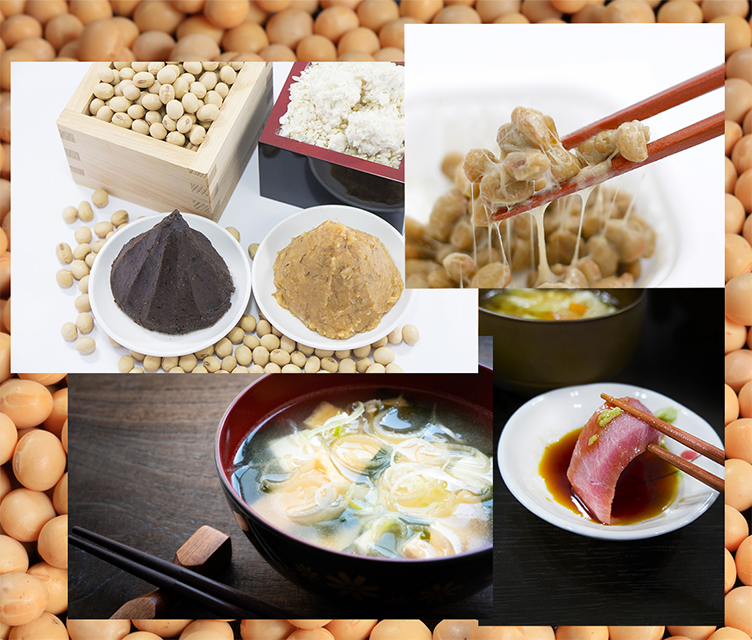
We also recommend serving it with hot soup. If you make soup with lots of ingredients, such as vegetables and mushrooms, and eat it at the beginning of your meal, dietary fiber will prevent a spike in blood sugar levels. Also, taking fermented foods will improve the intestinal environment; I mean Japanese Miso soup for the latter.
Furthermore, for beautiful skin, the following nutrients should be proactively taken so as not to be deficient.
Nutrients and foods you need to eat consciously
Vitamin B2
Vitamin B2 keeps skin healthy and supports turnover. Foods rich in vitamin B2 include dairy milk, yogurt, cheese, eggs, almonds, spinach, etc.
Vitamin B6
Vitamin B6 prevents dermatitis and controls sebum. Pork, milk, salmon, beans, eggs, etc. contain a lot of it, but since pork has a lot of fat, it may be better to remove it.
Vitamin C
Vitamin C is essential for the synthesis of collagen. Vegetables rich in vitamin C include paprika and broccoli. However, it is soluble in water and sensitive to heat, so it’s better to take it from cabbage that can be eaten raw, kiwifruit, strawberries, navel, and other fruits.
Potassium
Avocados, potatoes (taro, sweet potato, potatoes, etc.), almonds, peanuts, and spinach are rich in potassium, which helps cell metabolism and promotes skin regeneration.
Calcium
Calcium brings turnover closer to normal and is essential for smooth and transparent skin. Dairy products such as milk, cheese, yogurt, small fish that are eatable to its bones, etc., contain large amounts.
Is it possible to use supplements? How to drink effectively
For minerals that tend to be deficient in food alone, you may want to consider using supplements.
For example, iron and zinc are essential minerals for maintaining healthy skin and promoting recovery from skin problems. In addition, as widely known, women are more prone to iron deficiency than men, primarily because of menstruation.
You will need to follow the prescribed amount of supplements and how to take them. It will be crucial to continue it for a certain period steadily. If you drink a lot of it at once because you’re concerned about skin problems, or if you stop drinking as soon as you see improvement, it won’t work well in your body.
In addition, vitamins and minerals work together, not independently. Remember that taking a specific supplement won’t make your skin look better. Please use it with the awareness of supplementing what is difficult to take from meals.
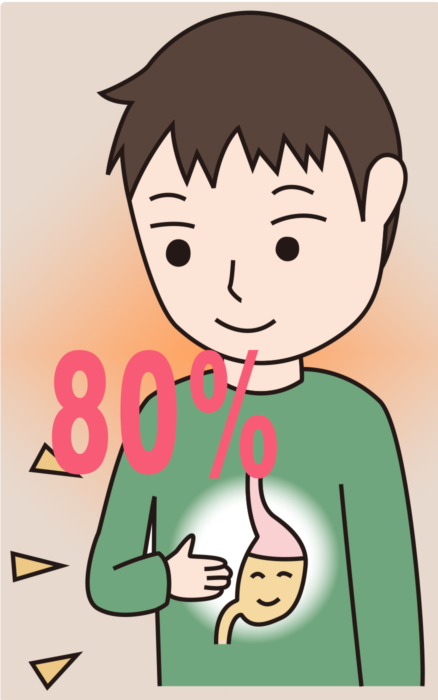
The idiom “Hara-Hachibunme” in Japan means “80% full” as a healthy eating habit. They say You don’t need a doctor if you keep “Hara-Hachibunme.” A similar saying in English will be, “Light suppers make long life.”
Since the 1980s, many countries have been scientifically investigating why “Hara-Hachibunme” is good for your health. This study compares the life expectancy of small animals such as rats between a group that eats a limited amount of food and a group that eats as much as it pleases.
For example, in one study conducted in Japan, the average lifespan of mice fed all-you-can-eat was 74 weeks, while that of mice restricted to 80% of their diet was 122 weeks, more than 1.6 times longer. (*1).
Since then, various studies have confirmed that the “Hara-Hachibunme,” constant restricted eating, can slow cellular aging. They point out that 80% of the stomach is effective in preventing cancer caused by dysfunction of cells, vascular disorders caused by arteriosclerosis (high blood pressure, stroke, myocardial infarction, etc.), and many lifestyle-related diseases such as diabetes.
An American study on monkeys, which are more similar to humans, reported that a 30% calorie restriction (at the 7th minute of the abdomen) improved body fat, blood pressure, blood sugar levels, triglyceride levels, etc.
The same benefit for human
So, does the benefit of “Hara-Hachibunme” apply to humans? There is an interesting report about this.
Since 1991, in the United States, a survival experiment has been carried out in which eight researchers live a self-sufficient life in a dome called Biosphere 2. Initially, it was an investigation related to space development, premised on living in an artificial environment called a dome when humans migrate to a planet other than Earth.
This experiment failed in its original purpose, but on the other hand, there was an unexpected by-product, regarding restricted eating.
The low harvesting yield in the dome limited the researchers’ diet by 25% less than their planned meals. The daily energy intake was about 1800kcal. As a result, not only did they lose weight, but almost all values related to lifestyle-related diseases, such as blood sugar, cholesterol, and blood pressure, also decreased.
Restricted eating extend your life expectancy as well as your healthy life expectancy.
In this way, they found from monkey studies and reports in Biosphere 2 that “Hara-Hachibunme” (restricted eating) may extend not only life expectancy but also healthy life expectancy (healthy period without disease). (*2).
(*2) Professor Emeritus Roy Walford of the University of California, who participated in the Biosphere 2 project, later focused on the relationship between calorie restriction and health and proposed a diet menu that would prevent malnutrition even with calorie restriction, etc.
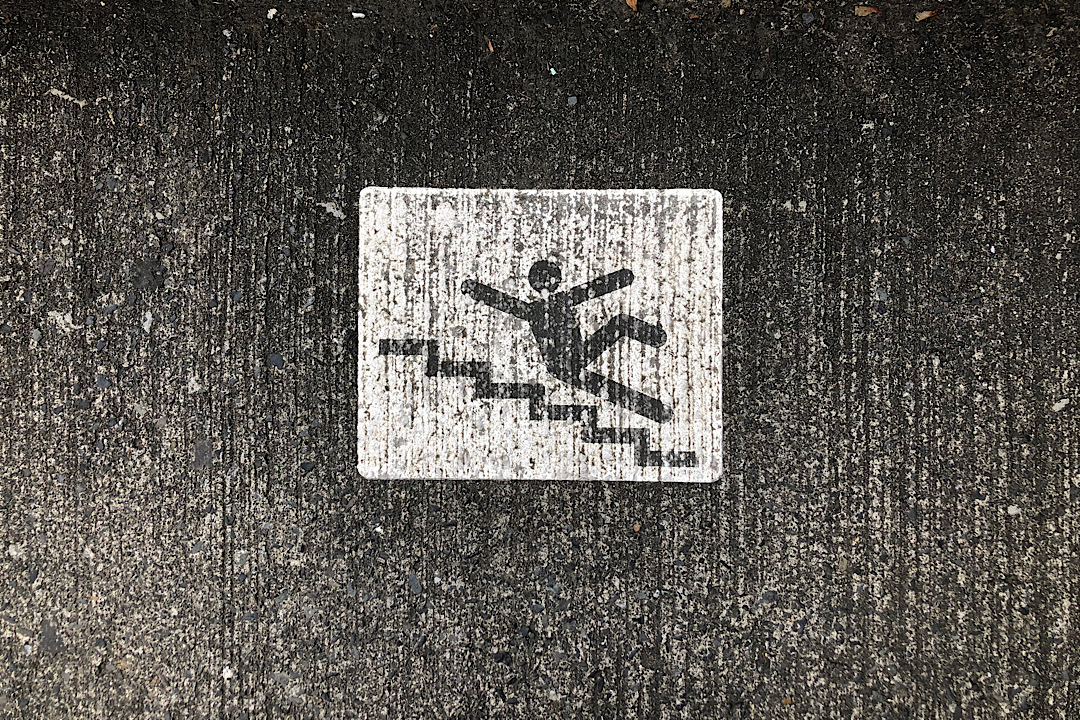
A fall that may only cause bruises or scrapes in a young person can significantly impact an older person’s life. In addition, fractures due to falls are likely to lead to bedridden, and women prone to osteoporosis have an increased risk of fractures. Preventing falls at home is critical and it requires your cautions.
Falls at home often lead to becoming bedridden.
Elderly people and households with elderly people must be careful about “falling.” You may take tripping and falling at home too lightly as a common accident, but as you get older, your physical function declines, and your muscles weaken. Compared to when they were young, they are less able to move their bodies, and it is not uncommon for them to become more prone to stumble over only small steps or to become bedridden after a fall. Even a minor fall can lead to the need for nursing care.
Fractures can lead to bedridden or requiring nursing care…
Injuries and bruises aren’t the only consequences of a fall. As you get older, the risk of fractures from falls increases. Above all, attention is necessary for “femoral neck fracture,” which is likely to occur due to falls. A femoral neck fracture happens near the hip joint (groin). Even a minor fall, such as missing a step on the stairs at home, can result in a broken bone. Surgery and long periods of bed rest may be sometimes necessary, and the muscles may become weak and bedridden.
As a result, the muscles of the legs and lower back become weak, and even after the fracture has healed, walking becomes difficult, and in many cases, it requires nursing care.
Note that osteoporosis increases the risk of fractures.
Muscle weakness is one of the reasons why older adults are more likely to fall.
The prevalence of osteoporosis, which reduces the strength of bones, increases with age, and falls make fractures more likely. Osteoporosis is more common in women than men, and its prevalence is about three times higher than in men. Falls are likely to occur in familiar places such as living rooms and bedrooms, so it is necessary to take adequate measures to mitigate the impact of osteoporosis.
If you go out less due to self-restraint and spend less time in the sun and walking, you will be worried about losing bone mass. If such a life is prolonged, there is concern about health problems due to bone loss.
You will also need to know the critical relationship of beauty and bones.
Middle-aged and older women are more likely to develop osteoporosis due to a rapid decrease in bone density due to the effects of decreased female hormones. And even the younger generation tends to have less bone savings due to lifestyle changes.
The relation between the beauty and bones
Bones not only support the body but are also closely related to the functions of internal organs, such as the flexibility of blood vessels, the ability to lower blood sugar, and the function of the kidneys. In terms of beauty matter, the decrease of facial bone volume causes “sagging and wrinkles” and affects the “appearance impression.” Keeping your bones healthy is good for your body and appearance.
Eat well-balanced meals three times a day.
Calcium intake is vital for bone health, but it’s not the only one. Various nutrients are also required, such as vitamin D, which promotes calcium absorption, and vitamin K, which helps calcium uptake into bones. It is crucial to take in enough energy and nutrients.
Skipping meals increases your chances of getting the energy and nutrients you need.
balanced diet
What is a balanced diet
Staple food (rice, bread, noodles),
Side dishes (vegetables, mushrooms, potatoes, seaweed dishes),
Main dish (meat, fish, egg, soybean dish)
A complete meal.
In addition, if you try not to bias the food in your daily diet as much as possible, you can ingest various nutrients in each food.
In particular, to increase calcium intake, it is possible to incorporate green and yellow vegetables such as spinach, seaweed such as hijiki, and soy products such as tofu.
If it’s not easy to take soy foods in your daily diet, you can try supplements like Effisoy® by Juveriente®.
Healthy diet will lead to your healthy bones, and eventually your beauty.
I watched a TV program in Japan for health, where a researcher of fermented food advised a woman to take a bit of fermented food every meal for one week. She had a problem with her bowel movement, and it led to her skin problems. After the week of the trial, she got a significant improvement. She was excited about the excellent condition of her skin. The fermented food she tried in that trial were yogurt, wed kimchi, miso soup, natto, fermented rice, onion, etc.
Umami is global, flavor is local
Maybe you can try. They are some of the best options. But there is a problem. Dr. Fushiki of the University of Kyoto, a famous scholar for fermented food, says, “Umami (savoriness) is global, but the flavor is local.” Fermentation generates rich umami in food in most cases, but it usually accompanies a specific flavor, which often smells and tastes odd to people from other dietary cultures.
For example, as an ultimate example, most Japanese love natto (fermented soy with bacillus natto), but most people other than the Japanese will think of is “rotten” by its gooey outlooking and probably stinky smell. Even such Japanese people can’t eat the “surstromming” of Sweden. (It’s a fermented canned fish called “the world’s most stinking canned food.”)
Those 2 are ultimate examples, but any fermented food presents the same challenge more or less to people from different dietary cultures.
Start with your familiar flavor
But, it will be better that you keep a healthy diet with less challenge than trying something too special and can’t continue. It will be good for you to take your familiar fermented food every day, even by a little.
Yogurt is already popular in the USA. You may not see wine as a fermented food, but it’s a fermented grape extract. Wine has rich polyphenols as the following; (1) From the skin: Anthocyanin, Resveratrol, Tannin (2) From the pulp: Anthocyanin (3) From the seed: proanthocyanin, tannin, quercetin, catechin Some people may be happy to find that wine makes you healthy as well as feeling good! But, you can have too much of a good thing. Be careful to drink it just for your health, and never drink too much.
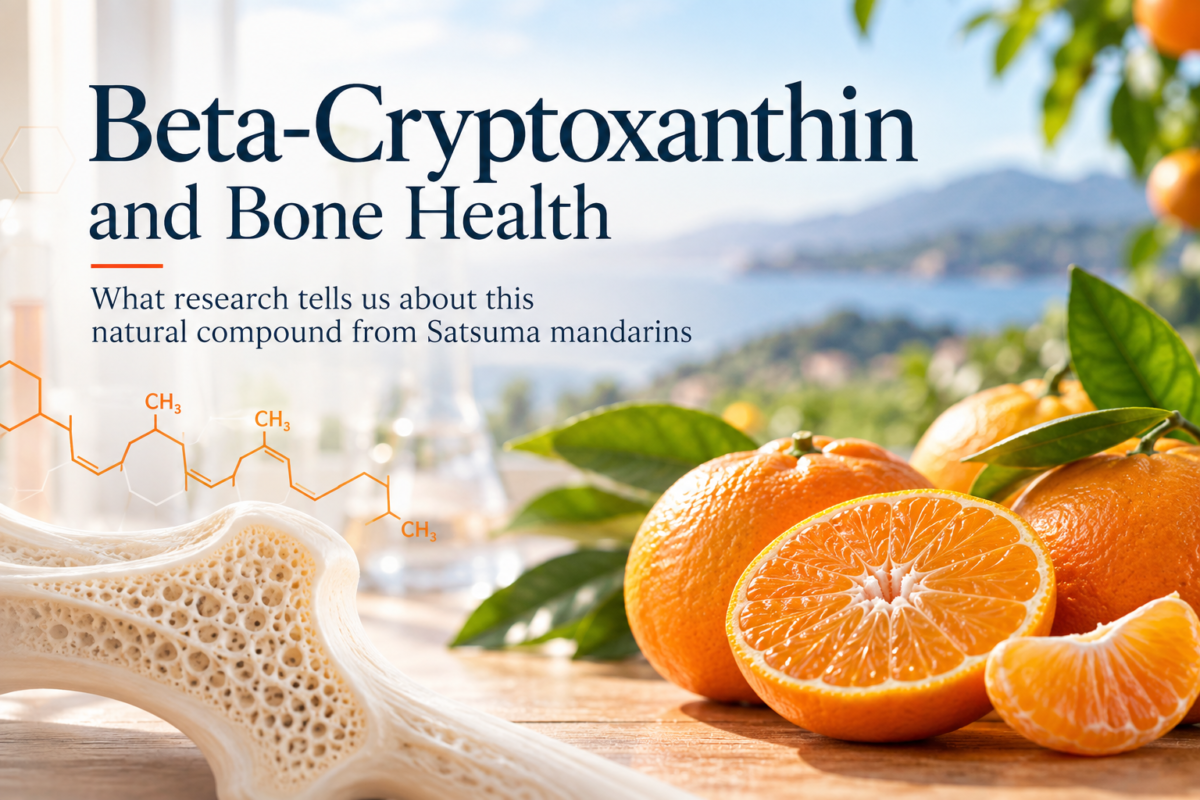
Beta-cryptoxanthin is a naturally occurring carotenoid found in a variety of fruits and vegetables—and it is particularly abundant in Satsuma mandarins, known as mikan in Japan.
Most people associate bone health with familiar nutrients such as calcium and vitamin D. But researchers have also investigated whether other dietary compounds may play a role in the complex process of bone remodeling.
Beta-cryptoxanthin is one of them.
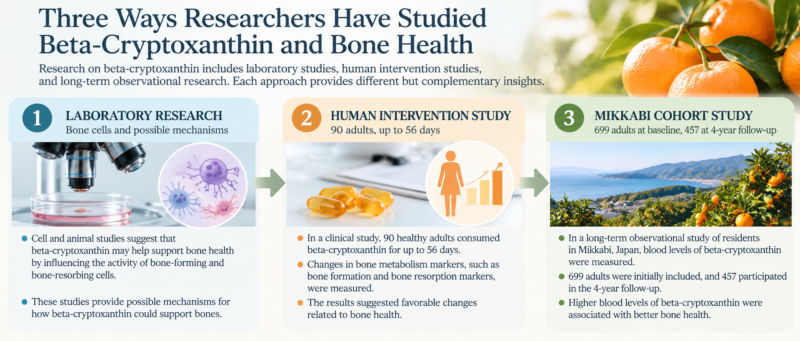
Over the past several decades, research has examined beta-cryptoxanthin from several different perspectives. Laboratory studies have explored its effects on cells involved in bone formation and bone resorption. Small human intervention studies have measured changes in markers of bone metabolism after consuming beta-cryptoxanthin-rich beverages. And observational studies in Japan have investigated associations between blood levels of beta-cryptoxanthin and measures of bone health.
These findings are intriguing, but they need to be interpreted carefully. Laboratory findings do not automatically translate into clinical benefits, and observational associations do not prove that beta-cryptoxanthin prevents or treats osteoporosis.
So what does the research actually show?
This article takes a closer look at the evidence behind beta-cryptoxanthin and bone health—and, just as importantly, what that evidence does not yet prove.
What Is Beta-Cryptoxanthin, and How Is It Related to Bone Health?
Beta-cryptoxanthin is a carotenoid—a family of natural pigments responsible for many of the yellow, orange, and red colors found in fruits and vegetables.
It is found in foods including papaya, persimmons, red peppers, and citrus fruits. One particularly rich dietary source is the Satsuma mandarin (Citrus unshiu), a small, easy-to-peel citrus fruit widely eaten in Japan and commonly known there as mikan.
Satsuma mandarins, known as mikan in Japan, are a particularly rich dietary source of beta-cryptoxanthin.
Beta-cryptoxanthin also has provitamin A activity, meaning the body can convert it into vitamin A when needed. But researchers have become interested in beta-cryptoxanthin for reasons beyond its role as a vitamin A precursor.
One area of research is bone metabolism.
Bone is living tissue that is continually renewed through a process known as bone remodeling. Cells called osteoblasts are involved in forming new bone, while osteoclasts break down older bone tissue. Maintaining bone health depends in part on the balance between these processes.
Laboratory studies have investigated how beta-cryptoxanthin may interact with these cellular processes. Human studies have approached the question differently, examining bone-metabolism markers or associations between beta-cryptoxanthin status and bone health.
Understanding the difference between these types of evidence is important—and we’ll look at each of them separately below.
Laboratory Research: What Happens in Bone Cells?
Much of the early research on beta-cryptoxanthin and bone metabolism was conducted in laboratory models using bone tissue and cultured cells.
These studies examined two important types of bone cells: osteoblasts, which are involved in forming new bone, and osteoclasts, which break down older bone tissue as part of the normal remodeling process.
In laboratory experiments, beta-cryptoxanthin has been associated with increased activity related to osteoblast function and bone mineralization. Other experiments found effects on the formation and activity of osteoclasts, including pathways involved in bone resorption.
These findings helped researchers develop a possible biological explanation for why beta-cryptoxanthin might be relevant to bone metabolism.
However, this distinction is important: these were primarily cell-culture and animal studies. They help us understand possible mechanisms, but they do not by themselves demonstrate that consuming beta-cryptoxanthin will increase bone density or prevent osteoporosis in humans.
Human Intervention Study: Changes in Bone Metabolism Markers
Researchers have also investigated beta-cryptoxanthin in humans.
In one intervention study, 90 adults between the ages of 27 and 65—including 36 postmenopausal women—were assigned to groups consuming a daily juice containing different amounts of beta-cryptoxanthin or a placebo juice.
The beta-cryptoxanthin groups received 1.5, 3.0, or 6.0 mg per day for up to 56 days.
Researchers measured several blood markers associated with bone formation and bone resorption. In participants consuming 3.0 or 6.0 mg of beta-cryptoxanthin per day, changes were observed in multiple markers of bone metabolism. Similar changes were also reported in the subgroup of postmenopausal women.
This study is interesting because it moves beyond laboratory models and examines biological responses in people.
But it is also important to understand what was measured.
The study evaluated circulating markers of bone metabolism—not changes in bone mineral density or fracture rates. A change in a biomarker is not the same as demonstrating that a nutrient prevents osteoporosis or fractures.
For questions about long-term bone health, we therefore need to look at a different kind of human evidence: observational studies that follow people over time.
The Mikkabi Cohort Study: Beta-Cryptoxanthin and Bone Health Over Time
Some of the most interesting human evidence comes from Mikkabi, a mandarin-growing region in Shizuoka Prefecture, Japan.
The Mikkabi Study began by examining 699 adults—222 men and 477 women—and measuring factors including serum carotenoid levels and bone mineral density.
In the initial cross-sectional analysis, higher serum beta-cryptoxanthin levels were associated with higher radial bone mineral density in postmenopausal women, although the association became weaker after additional adjustment for dietary mineral and vitamin intake.
Researchers then continued to follow participants over time.
Four years later, 457 participants—146 men and 311 women—took part in a follow-up examination. Among the 212 postmenopausal women in this follow-up analysis, 15 developed new-onset osteoporosis during the four-year period.
After adjusting for multiple potential confounding factors, women with the highest baseline serum beta-cryptoxanthin concentrations had lower odds of developing osteoporosis than women in the lowest group. Higher beta-cryptoxanthin levels were also associated with a lower risk of developing osteopenia or osteoporosis.
These findings are noteworthy because they come from people observed over several years rather than from cells or short-term changes in blood markers.
However, the Mikkabi Study was observational. It can identify associations, but it cannot establish that beta-cryptoxanthin itself caused the lower risk. People with higher beta-cryptoxanthin levels may also differ in diet, lifestyle, or other factors that influence bone health.
What the Research Shows—and What It Doesn’t Yet Prove
Taken together, the research on beta-cryptoxanthin and bone health is promising—but it is important to distinguish between what the evidence suggests and what it has actually demonstrated.
Laboratory studies provide a possible biological explanation for how beta-cryptoxanthin may influence processes involved in bone formation and bone resorption. Human intervention studies have also reported changes in blood markers associated with bone metabolism after beta-cryptoxanthin intake.
Longer-term observational research from Japan adds another piece to the picture. In the Mikkabi Study, higher blood levels of beta-cryptoxanthin were associated with more favorable measures of bone health in some analyses, including a lower incidence of osteoporosis among postmenopausal women during follow-up.
These different types of evidence point in an interesting direction, but they are not equivalent to proof that beta-cryptoxanthin prevents or treats osteoporosis.
Laboratory findings do not always translate into meaningful clinical effects in humans. Changes in bone-turnover markers do not necessarily mean that bone mineral density will increase or fractures will be prevented. And observational studies can identify associations, but they cannot fully separate the effects of beta-cryptoxanthin from other differences in diet, lifestyle, and overall health.
Most importantly, large, long-term randomized clinical trials examining outcomes such as bone mineral density and fracture risk are still limited.
For these reasons, beta-cryptoxanthin is best viewed as an interesting dietary compound being studied for its potential role in bone health—not as a treatment for osteoporosis or a replacement for established approaches to maintaining healthy bones.
Research Results Are Not Always Consistent
Not all studies of beta-cryptoxanthin and bone health have produced the same results.
While studies from Japan—particularly the Mikkabi Study—have reported associations between higher beta-cryptoxanthin levels and more favorable measures of bone health, research in other populations has been less consistent.
For example, the Framingham Osteoporosis Study followed older adults in the United States and examined dietary intake of several carotenoids in relation to bone mineral density and fracture risk. In these analyses, beta-cryptoxanthin intake was not significantly associated with bone mineral density or a lower risk of hip fracture.
Why might the results differ?
The studies involved different populations, diets, levels of beta-cryptoxanthin intake, methods of measuring exposure, and bone-health outcomes. Beta-cryptoxanthin intake is also generally higher in Japan than in the United States, particularly in regions where Satsuma mandarins are commonly consumed.
A 2016 review of beta-cryptoxanthin research noted these differences and concluded that variations in study design, population, and diet may help explain the inconsistent findings.
More recently, a systematic review and meta-analysis published in 2021 found that higher beta-cryptoxanthin intake was associated with a lower risk of osteoporosis and hip fracture across the observational studies analyzed. However, the authors also emphasized important limitations in the available evidence and called for further longitudinal studies and randomized controlled trials.
Taken together, the evidence remains encouraging, but not definitive. The differences between studies are another reason to view beta-cryptoxanthin as a promising area of nutritional research rather than as a proven treatment for osteoporosis.
How Beta-Cryptoxanthin Fits Into the Bigger Picture of Bone Health
Beta-cryptoxanthin is only one piece of a much larger bone-health picture.
Strong bones depend on many factors working together. Adequate calcium and vitamin D remain important, while protein and other nutrients contribute to maintaining the tissues that support movement and strength. Regular weight-bearing and resistance exercise also helps support bones and muscles, balance, and mobility.
For women during and after menopause, this broader perspective becomes especially important. Declining estrogen can affect the balance of bone remodeling, while changes in muscle mass and strength can influence mobility and the risk of falls.
Beta-cryptoxanthin adds an interesting nutritional dimension to this picture. Its presence in foods such as Satsuma mandarins, together with the laboratory, human intervention, and observational research discussed above, makes it a worthwhile subject for continued study.
But it should not be viewed in isolation—or as a substitute for established approaches to bone health.
Instead, the research on beta-cryptoxanthin offers another example of how foods and dietary patterns may contain compounds that contribute to the complex process of healthy aging.
For women interested in the broader picture, our guide to natural ways to support bone health during menopause explores how hormonal changes, nutrition, exercise, muscle strength, and Japanese dietary habits fit together.
Why Juveriente Became Interested in Beta-Cryptoxanthin
At Juveriente, our interest in beta-cryptoxanthin began with a simple question: could traditional Japanese foods offer useful clues for supporting healthy aging?
Satsuma mandarins have long been a familiar part of everyday life in Japan. Research from mandarin-growing regions such as Mikkabi drew our attention to beta-cryptoxanthin, one of the naturally occurring carotenoids found in particularly high concentrations in this fruit.
As we looked more closely at the research, what interested us was not a single dramatic finding, but the different layers of evidence—from laboratory studies of bone metabolism to human intervention studies and long-term observational research.
At the same time, the limitations of that evidence are important. Beta-cryptoxanthin should not be viewed as a treatment for osteoporosis, and bone health cannot be reduced to any single nutrient or dietary compound.
Instead, we see beta-cryptoxanthin as one interesting part of a broader approach to nutrition and healthy aging—an approach inspired in part by foods and dietary habits that have long been familiar in Japan.
From Research to Bone Strength Complex
This interest in beta-cryptoxanthin eventually became part of the thinking behind Juveriente® Bone Strength Complex.
The formula includes beta-cryptoxanthin from Satsuma mandarin extract together with nutrients commonly associated with maintaining healthy bones, including calcium, vitamin D, magnesium, and vitamin K.
The idea is not that beta-cryptoxanthin—or any supplement—can replace a balanced diet, regular physical activity, or appropriate medical care. Rather, Bone Strength Complex was developed as a nutritional option for people who want to support bone health as part of a broader healthy-aging lifestyle.
The research discussed on this page helps explain why beta-cryptoxanthin became an ingredient of particular interest to us. It should not, however, be interpreted as evidence that Bone Strength Complex prevents or treats osteoporosis.
Beta-cryptoxanthin is a fascinating example of how a naturally occurring compound in an everyday food can become the subject of scientific research.
Laboratory studies have suggested possible effects on processes involved in bone remodeling. Human intervention studies have reported changes in markers of bone metabolism, while observational studies—particularly those conducted in Japan—have found associations between higher beta-cryptoxanthin levels and certain measures of bone health.
At the same time, the evidence has important limitations. Results have not been completely consistent across populations, and the research available today does not establish beta-cryptoxanthin as a treatment for osteoporosis or as a substitute for established approaches to maintaining bone health.
Healthy bones are supported by the bigger picture: good nutrition, adequate calcium and vitamin D, regular physical activity, strong muscles, and appropriate medical care when needed.
Beta-cryptoxanthin may be one interesting part of that picture—and one that deserves continued research.
Men also get osteoporosis as their age gets higher.
Men have bigger and thicker skeleton than women and have more bone mass when they are young. They don’t experience a steep decline in their hormones like women’s menopause. These factors moderate the men’s osteoporosis risk. But, such a chance gets higher also on men as they age higher.
Osteoporosis in men happens after their age of 60, generally, and its ratio becomes about half of women. The bone mass of men aged around 80 is only about 70% of their youth and many of them can get osteoporosis.
Men also have factors to facilitate osteoporosis risk besides the factors to moderate it as the above. They have more tendency to have diabetes or hypertension. More men smoke and drink than women. These are related to the onset of osteoporosis.
Men’s osteoporosis can bring them more lifetime health risks.
Both men and women become easy to fall due to the waned muscle and sense of balance. Weakened bone by osteoporosis is easy to be broken even by a little falling. Men have bigger bodies, and their moves are strong; they tend to hit their bodies harder on the ground or floor and it may break their bones or cause a head injury. So, we can tell you that the osteoporosis in men has higher risk of such injury.
Thus men tend to shut themselves in their house after such injuries worry the same trouble from happening again. As a result, they will not move their bodies enough, and their muscle strength and muscle strength will decline. Eventually, it leads to the deterioration of their body functions and mental depression. In the worst case, they may fall into the condition to need care.
Laying on a hospital bed and having nothing to do
Which bones are broken? What happens as a result?
The bone parts often to be broken for older men are the same as women, vertebral body (backbones), proximal portions of femur, base of upper arms, and wrists.
Among these parts, the bone-breaking at the base of the femur often brings down the patients into the condition needing care, and you will need to be very careful.
The spinal cords pass through your backbones. If the backbones are broken, it can cause health disorders beyond the broken bones. The broken part may press the nerve to cause disturbance of gait or urination disorder.
The possibility of bone-breaking increases after the age of 70, even in men, and it can lead to further severe health problems. Thus men should take care of bone health as well as women.
As a small brand, we have been focusing on only women as the beneficiary of our “Japanese dietary therapy” supplements, due to our limited management resources.
But they also help men’s anti-aging. As you have aged, do you feel fatigued all the time? Or, maybe do you feel powerless when you lift something heavy?
The system behind Effisoy® is that isoflavone aglycone (AglyMax®) revives waned DHEA synthesis ability. DHEA is an estrogen precursor but doesn’t have hormonal stimulation before turning into estrogen. DHEA rebalance women’s empty estrogen receptors while AglyMax® simultaneously prevents DHEA from turning into estrogen excessively.
This system also rebalances men’s hormones. Imbalances of men’s hormones don’t cause the same menopause symptoms as women but prompt various unpleasant experiences by aging.
Keeping up metabolism, which contributes to weight management.
Maintenance and recovery of virilityBone health relief
Anti-fatigueBoosting and keeping muscleKeeping up metabolism, which contributes to weight management.
Maintenance and recovery of virility
Bone health relief
I am male and have been taking both of our supplements since the first production in 2017. The most significant and helpful effect for me was anti-fatigue.
Most people feel fatigued by no reason after certain ages, and it sometimes impairs their vitality in various things to do. Another unpleasant aging matter was a powerless feeling when I held something heavy. I felt nothing when I was younger.
The muscle boosting and weight loss depend on various factors and it is hard to determine if Effisoy® played the main role in my significant weight loss in the past few years. I’ve been running and do workout a few times a week in the past several years and my alcohol drinking decreased significantly about three years ago.
But I felt that the yield of my exercises was raised up much since I started Effisoy®.
How should I take Effisoy® for the best relief?
The continuous dosage of Effisoy improves such sad changes for men. I felt some improvements after three months.
When some time passed since my fatigue was alleviated, I sometimes forgot to take Effisoy® because I felt nothing when I didn’t have the tiredness. But after a while, the fatigue came back to me, and I was careful not to miss the dosage again. It happened a few times, and I’m more careful to keep it now.
My other recommendation is that it will be wonderful to take Juveriente® Bone Strength Complex (or BSC) together. While Effisoy® helps your bone health and weight management through the hormone balance, BSC will help them from the cellular level. The combination of both Juveriente® products will be a perfect anti-aging set.
The reasons why you should take Effisoy® continuously in the long run
Hello!
Maybe you recognize our Effisoy® only as a natural menopause supplement to mitigate hot flash and night sweats. But, its key ingredient, AglyMax®, has multiple anti-aging benefits by balancing waned hormone precursor (DHEA) naturally.
It is not only for unpleasant menopause symptoms improvement, but will also help your healthy life in various aspects. There are many reasons that you take Effisoy® continuously in the long run.
Menopause Relief from; Hot Flash Night Sweats Insomnia Osteoporosis Weight gain, etc.
Anti Aging Benefits like; Fatigue mitigation Recovery of lost muscle by age (= recovery of metabolism) (= weight management)
It has high Antioxidant Capacity (the following is from a leaflet by the manufacturer of AglyMax®.)
We are introducing the health benefits of Miso soup in the Effisoy®’s product page, and Effisoy® will bring you the essence of that traditional Japanese diet. Try it now, and continuously!
The food history of humans is one of the lenses through which to view the evolution of culture, creativity, and health. Food history is typically broken down into three patterns: famine, sufficiency, and abundance. In modern times, most of us live in a world of abundance, if not over-abundance. Lifestyle-related diseases, like Type 2 Diabetes and heart disease, have developed in many countries due to changes in how we live, how active we are, and what we eat. When it comes to the things we put in our body, natural supplements like Effisoy are part of this philosophy: our bodies respond to what we ingest. This philosophy has been an integral part of Japanese culture for millenia.
Diet concerns the global population of humans. The need for a healthy diet is not restricted to certain countries or populations, although some countries have shown better results regarding general population health. Japan is one such country. The attention and care given to diet, the food produced, consumed, and presented, far exceeds many other countries, especially those in the Western hemisphere. But Japanese traditions did not spring forth from nothing. Much of the initial influence on Japanese practices was Chinese.
Ancient Chinese medicine, herbal medicine, folk medicine, and the use of specific animal parts is still found in modern day practices in China, Japan, and other Eastern countries. The connectivity is key: healthy ingredients aren’t just given to those who are sick. They are woven into the fabric of daily life. This practice can be traced through the evolution of Japan’s culinary culture, a chronology that begins in the 5th century.
A physician who came to Japan from China in the 5th century, through the Korean peninsula, was one of the first to share the knowledge between countries. By the 7th century, the Imperial Court of Japan had sent missions to Sui and Tang China so that emissaries could learn about medicine as well as state administration. This led to a code that was an imitation of Tang China’s legal code, and within the law was a stipulation that Japanese medicine should be based on Chinese medicine. But other factors were at play, including environmental, social and political forces.
Japanese food Facts
Environmentally, Japan has always been a culture focused around rice, as has China. A Chinese text from 5 AD said, “Grains are the basis that sustain life. Fruits support the power of grains, meats provide benefit, and vegetables enrich.” While other regions were wheat-based (often colder areas), Japan and China were warm and humid, the perfect region for rice. With rice cultivation comes water and fish, so rice and fish became staples for the people in this region. Japan also has mountains that cover over 70 percent of its land area, as well as extensive rivers; this landscape has had its effect on food as well as the plants grown. There are many plants that grow in Japan that have been used for medicinal purposes. For example, some studies have shown there were more than 800 species of plants used to make folk medicines. This is out of a tallied 7,000 species of plants that grow in Japan, meaning nearly 10% of all plants in Japan are medicinal. This statistic is incredible to imagine.
The use of these medicinal plants is key to understanding the evolution of Japanese cuisine. According to Chinese practice, plants, herbs and spices are broken down into five tastes which function according to season, physical condition, illness, and the need to avoid some foods and some food combinations. Understanding these tastes also prioritized the importance of mind-body connection, and the evolution of this philosophy can be traced through various periods.
In the Heian period, (794-1185), the daikyō ryōri, the cuisine at the time, was very similar to Chinese food in terms of what was eaten as well as how. For example, a menu had to have an even number of dishes, and both spoons and chopsticks used. During this period, Japanese also developed “cutting” skills, deeming some to be “masters of the knives.” This is when the attention to detail first came into play regarding the skills necessary to be a master chef.
Japanese Cuisine
The shōjin ryōri (精進料理) of the Kamakura period (1185-1333) also mirrored the Chinese traditions, but in a different way. During this time, monks had who had studied at Chinese zen temples came to Japan and emphasized that there should be no consumption of animal products. Pork had become popular five hundred years before, had waned with government intervention, but was still eaten at times. These monks did, however, use fine ingredients–herbs and spices–to create elaborate dishes without meat, dishes that mimicked the flavor. The flavors of Japanese cuisine grew to include “yōkan (jelly made from bean paste) and ganmodoki (tofu fritter) dishes. Other plates used agar instead of gelatin, or tofu made from high-protein soybeans. Much of the food was fried or prepared in sesame oil or miso. During this era, Buddhism was integrated into the cuisine. The typical Japanese soup stock was also developed during this time. The soup stock that was used was probably extracted from ingredients such as kombu seaweed and shiitake mushrooms; this was the progenitor of the distinctive dashi stock that is currently a defining component of Japanese cuisine.
The Muromachi period (1337-1573) brought in honzen ryōri (本膳料理), cuisine that was served at celebrations for samurai. This is when Japanese cuisine began to depart from Chinese influence. One way was that the meal had to have an odd number of elements. It was also eaten from small individual trays (zen) and suited to a floor-based lifestyle. Only chopsticks were utilized, rather than chopsticks and spoons. This is also the period of the tea ceremony, flower ceremony, and the first culinary schools. The soup that had been developed in the previous era was also developed more through the use of katsuobuhi (dried bonito shavings). This final ingredient solidified the stock that is fundamental to modern Japanese dashi-based food culture.
The Sengoku period (c. 1467 – c. 1603) brought a highly spiritual form of cuisine that developed at the same time as the tea etiquette and ceremonies. There was more attention brought to detail. The method of serving and preparing was emphasized, and every tea ceremony was seen as a unique encounter between individuals. Importance was given to all aspects of cuisine.
The Edo period (1603-1868), brought about the popularization of cuisine. Restaurants were developed, and the consumer culture of cuisine grew. Anyone could enjoy gourmet food, whenever they liked, as long as they had the money to pay for it. This creative period brought about kaiseki ryōri (会席料理), a cuisine consisting of a number of dishes served on a tray that was ordered in advance and eaten at restaurants. Still focusing on classic ingredients–rice, fish, vegetables–the elaboration of dishes evolved. Cuisine schools and cookbooks grew in popularity and industries to produce soy sauce and miso thrived. This era also brought about more knowledge regarding health and diet. Whenever there were outbreaks of diseases, like smallpox or cholera, there were woodblock prints that explained which foods to avoid and which to consume.
Japanese food
The evolution of medicine deepened during this time. In 1709, a culmination of herbal knowledge was published in the book Yamato honzō. This text was the last in a series explaining and defining Japanese herbalism. By the mid-1700s, the notion that food, sex, and sleep were intimately connected to health was held to be the norm. And yet, 100 years later by 1869, during the era of Westernization, Western medicine was adopted as the predominant medicine of Japan. This coincided with the height of the Edo period. As Western practices were adopted, the divide grew between those who had wealth and those who didn’t. This created an imbalance, a sense of culinary hedonism. In the cities, abundance became the norm, whereas in the countryside, families were starving from famine and disease.
But the growth continued, regardless, and utilization the plants and produce available continued to improve the reputation of Japanese cuisine. The dishes evolved to include more herbs, spices, and experimentation, but the culture remained tied to rice, miso, fish, and the dashi stock. It was only in the 1980s that consumption of meat passed consumption of fish. The ideal meal of Japanese cuisine emphasizes one soup and three side dishes. Throughout the 20th century, this combination of plates has felt the outside influence. Japan’s food self-sufficiency decreased below 40% by the end of the 20th century. And yet, even with the integration of products from other countries, the health of the Japanese people has been sustained. Part of that is due to the education of the young.
In politics and education, Japan has adapted a unique system known as FOSHU (Food for Specified Health Use) that emphasizes how healthy foods sustain humans, but diet cannot be a singular solution. Diet and health accumulate over years. With the philosophy of Ishoku-Dogen, popularized in the 1970s, there has been a return to seeing food and health as interwoven, but that integration comes through authentic creations. Japanese people won’t just add an herb or take a pill for the health benefit; they incorporate the flavor into their daily habits. The evolution of the Japanese emphasis on diet, on the meticulous attention paid to the details of cuisine, has powerful effects. The Japanese are known to be some of the healthiest people in the world. In fact, the World Health Organization stated that the Japanese have the longest life expectancy of any country in the world, with an average of 83.7 years. [1]This culture of cuisine will only continue to evolve and develop with time, and there are many lessons that can be learned if the ultimate goal is health and longevity of a good life. [1]
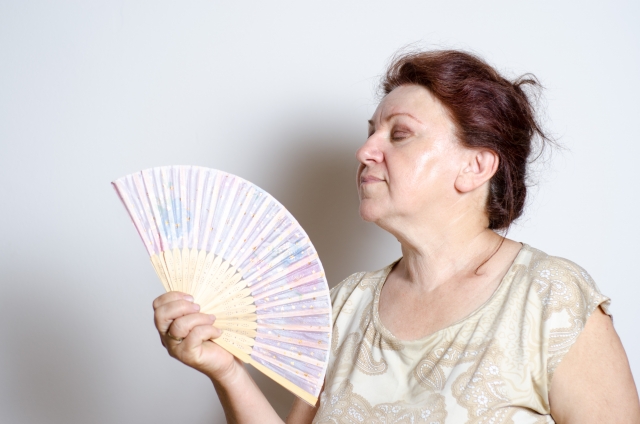
Menopause is a natural and biological process, but it’s symptoms can disturb your lifestyle.These symptoms can be cause of low energy, disturbing sleep and your emotional health! If you’re experiencing these symptoms and looking natural relief for menopause, then check out our amazon online shop.