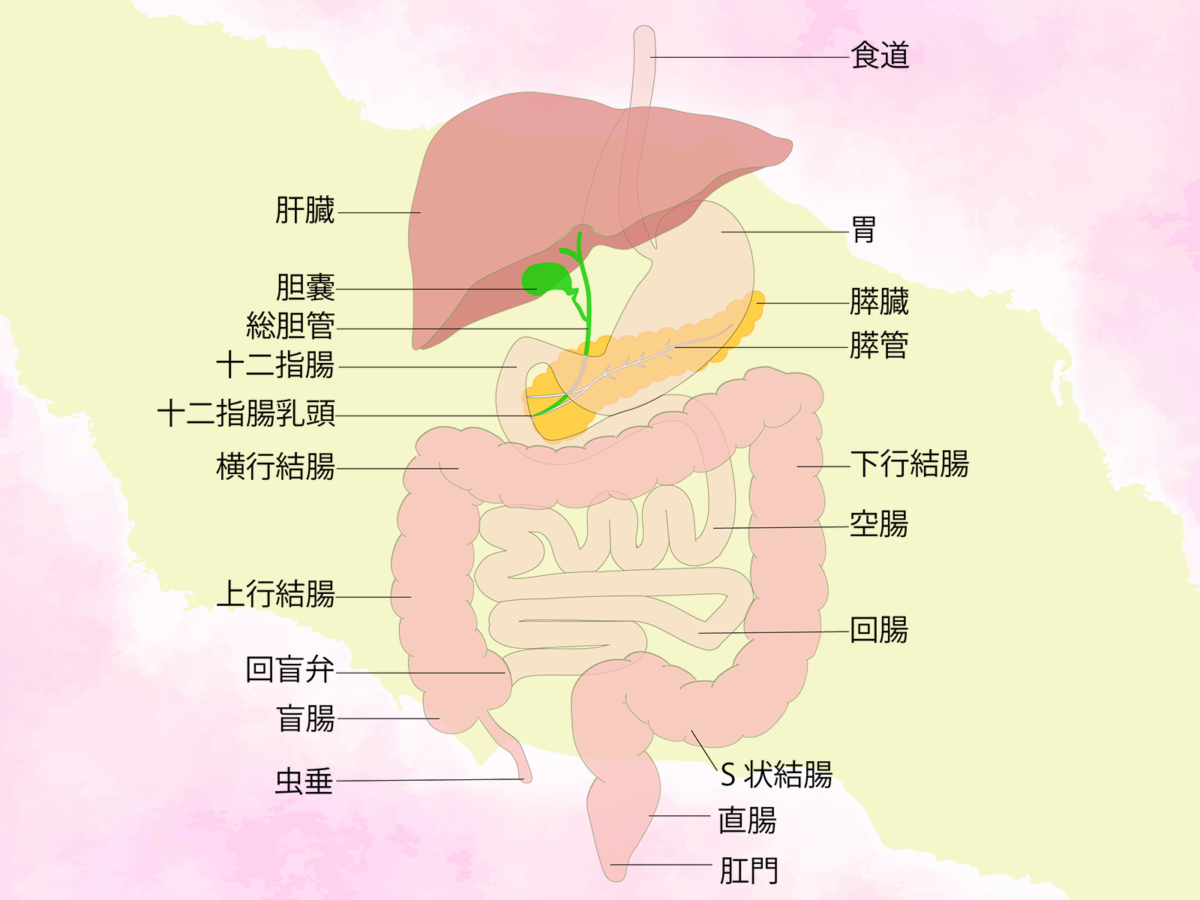
We get nutrients from the food we eat every day to survive. We take necessary nutrients into the body through the small intestine and discharge unnecessary things such as food waste as feces. Defecation is a critical activity in our lives.
However, stool contains a lot of information that informs the condition of the large intestine. Feces, a barometer of health, is 80% water. In constipation, water is down to around 70%, and it may be more than 90% in diarrhea. 20% of ingredients other than water are “food debris,” “peeled intestinal mucosa,” and “intestinal bacteria.” Each gram of stool contains 1 trillion of these intestinal bacteria, and the type of bacteria varies from person to person.
The approximately 1,000 types influence the intestinal environment and 100 to 1,000 trillion intestinal bacteria living in the intestine. Intestinal bacteria include good bacteria that have a positive effect on people, harmful bacteria that have a terrible impact on people, and opportunistic bacteria that work in favor of good or bad bacteria.
The “intestinal environment” is determined by the balance of these three intestinal bacteria, and the state in which good bacteria work predominantly is called a “good intestinal environment” or a “good intestinal environment.” Depending on the power of good bacteria that work well and harmful bacteria that work negatively, the health condition of the intestines changes day by day.
While it prevents obesity and disease by suppressing dietary calorie intake, it is also helpful as an anti-aging.
There is something called the “sirtuin gene” in our body.
Another name for the sirtuin gene is the “longevity gene” because it works to suppress cell aging, and a certain amount of calorie restriction activates it. In other words, you can expect the effect of preserving youthfulness by eating the eighth half of your stomach.
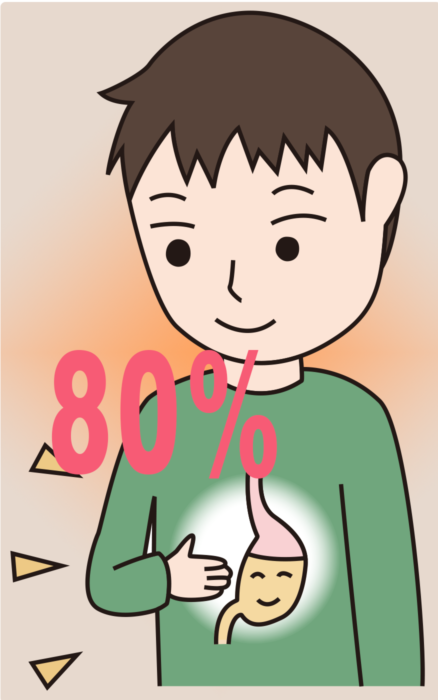
Tips for stopping your eating at “Hara-Hachibunme” (80% full)
If you are overeating and always fall feeling full, try incorporating the following into your diet.
Increase chewing frequency
It is very effective to chew food well and eat it to suppress it at 80% of the stomach.
A longer time to savor and eat will stimulate the satiety center and prevent overeating.
Also, by chewing well, a large amount of the digestive enzyme called amylase is secreted, which improves digestion and reduces the burden on the stomach and intestines.
Put down your knife, fork, and spoon after each bite.
To increase the number of chewing times, try to put your tableware down after each bite.
Fast eaters keep their tableware on from the beginning to the end of their meal.
Carrying food to your mouth one after another leads to overeating.
Once you are used to putting your tableware down after each bite, you will naturally become conscious of chewing well, and your eating pace will slow down.
As a result, the signal of the satiety center will be transmitted well, and it will be suppressed with only 80% of your stomach.
Cut the material hard and large.
Cutting food materials such as vegetables hard and large creates a chewy texture in your cooking. You can naturally increase the number of chews and prevent overeating.
We also recommend adding chewy nuts, beans, sesame seeds, etc., to accent your dishes.
Anyway, chewing well and eating are effective in keeping your stomach full.
Increase vegetables, seaweed, and mushrooms
Vegetables, seaweed, and mushrooms contain a lot of dietary fiber, so it’s hard to swallow them if you don’t chew them well.
Taking advantage of this feature, you can naturally increase the number of chews by increasing the amount of these in your meal.
Most of them are healthy, so let’s use them in your meals and connect them to your beauty and health.
Drink Soup, water or tea
Liquid will pass your stomach shortly, but your restricted eating. It will swell your stomach temporarily and mitigate your hunger until your satiety center begins to woks.
Serving for one person will also restrict your eating
First, it is effective to prevent overeating by arranging an amount of food that does not cause overeating and deciding “I will not eat anymore”.
Dishes on a platter tend to overeat while picking up this and that.
There are also people who force themselves to eat, saying things like, “It would be a waste if I leave it behind,” or “It’s rude to the person who made it.”
If you decide “only this” from the beginning, such as serving this on a single plate or dividing it into portions for one person instead of serving it on a large plate, you should not end up eating too much.
It is especially effective for those whose satiety center signals are dull.
Let’s prevent overeating by serving the amount that will make you 80% full from the plating.
Let’s finish the meal at the timing of “Hara-Hachibunme” (80% full).
The best time to finish your meal is when you feel like you can eat a little more.
In order to go on a diet without overdoing it, and to maintain beauty and health, let’s make it your everyday habit.
The idiom “Hara-Hachibunme” in Japan means “80% full” as a healthy eating habit. They say You don’t need a doctor if you keep “Hara-Hachibunme.” A similar saying in English will be, “Light suppers make long life.”
Since the 1980s, many countries have been scientifically investigating why “Hara-Hachibunme” is good for your health. This study compares the life expectancy of small animals such as rats between a group that eats a limited amount of food and a group that eats as much as it pleases.
For example, in one study conducted in Japan, the average lifespan of mice fed all-you-can-eat was 74 weeks, while that of mice restricted to 80% of their diet was 122 weeks, more than 1.6 times longer. (*1).
Since then, various studies have confirmed that the “Hara-Hachibunme,” constant restricted eating, can slow cellular aging. They point out that 80% of the stomach is effective in preventing cancer caused by dysfunction of cells, vascular disorders caused by arteriosclerosis (high blood pressure, stroke, myocardial infarction, etc.), and many lifestyle-related diseases such as diabetes.
An American study on monkeys, which are more similar to humans, reported that a 30% calorie restriction (at the 7th minute of the abdomen) improved body fat, blood pressure, blood sugar levels, triglyceride levels, etc.
The same benefit for human
So, does the benefit of “Hara-Hachibunme” apply to humans? There is an interesting report about this.
Since 1991, in the United States, a survival experiment has been carried out in which eight researchers live a self-sufficient life in a dome called Biosphere 2. Initially, it was an investigation related to space development, premised on living in an artificial environment called a dome when humans migrate to a planet other than Earth.
This experiment failed in its original purpose, but on the other hand, there was an unexpected by-product, regarding restricted eating.
The low harvesting yield in the dome limited the researchers’ diet by 25% less than their planned meals. The daily energy intake was about 1800kcal. As a result, not only did they lose weight, but almost all values related to lifestyle-related diseases, such as blood sugar, cholesterol, and blood pressure, also decreased.
Restricted eating extend your life expectancy as well as your healthy life expectancy.
In this way, they found from monkey studies and reports in Biosphere 2 that “Hara-Hachibunme” (restricted eating) may extend not only life expectancy but also healthy life expectancy (healthy period without disease). (*2).
(*2) Professor Emeritus Roy Walford of the University of California, who participated in the Biosphere 2 project, later focused on the relationship between calorie restriction and health and proposed a diet menu that would prevent malnutrition even with calorie restriction, etc.
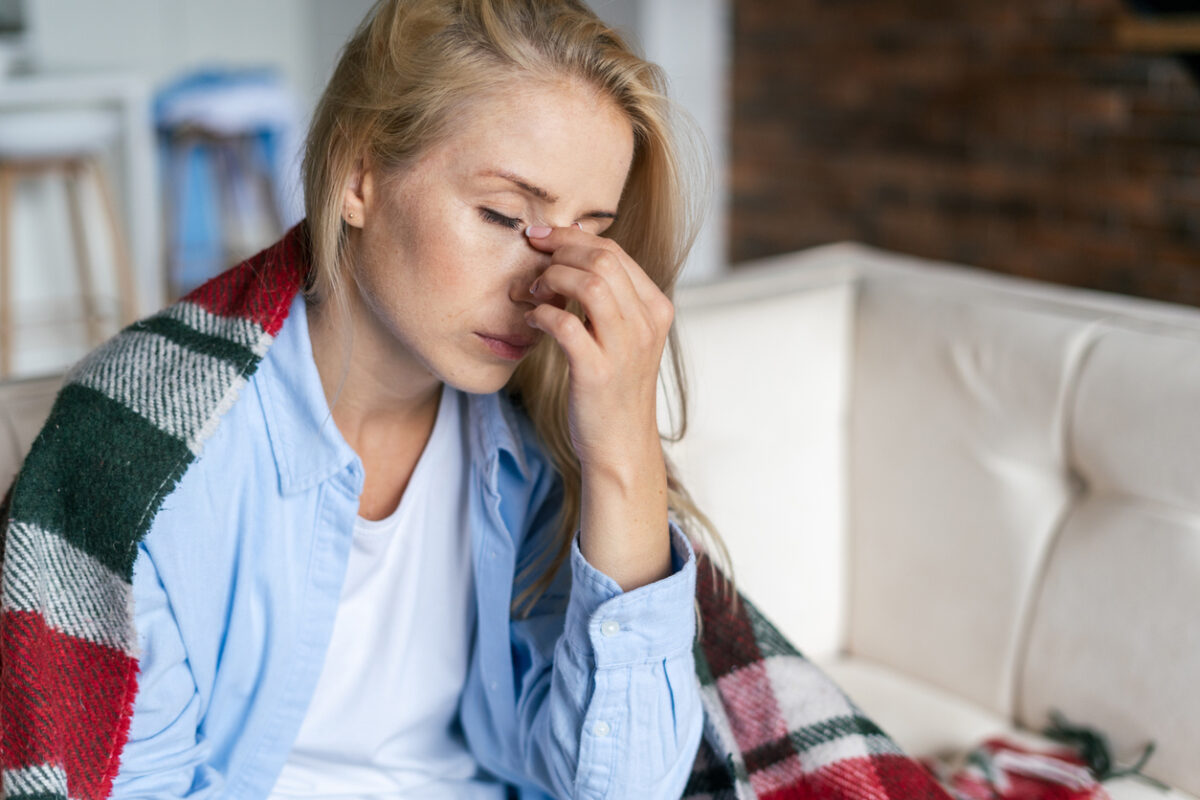
Approximately 70% of menopausal women suffer from “menopause and fatigue”.
What are your symptoms?
After strenuous exercise or long periods of backbreaking work, we all feel tired and lethargic. However, it usually goes away with rest and sleep. However, women in the menopausal generation may feel tired all the time. Hobbies and small errands that you used to enjoy are not enjoyable for you any more. “I don’t want to do them,” “It’s troublesome to meet people,” and “It’s a hassle to go out.” It leads to a decrease in motivation and energy, depression, and irritability. There are many things around the menopause and fatigue.
What is the cause?
As women age, their ovarian function declines, and estrogen (female hormone) levels drop sharply. A part of the brain, the hypothalamus, controls the secretion of estrogen. But it can’t make the body secrete estrogen no matter how many commands it issues. Eventually, it confuses the hypothalamus. In this way, the brain and body become unbalanced due to hormonal imbalance during menopause. (About five years before and after menopause). Menopause is when the body and brain work hard to restore this imbalance. It causes hot flashes (hot flashes, hot flashes, sweating), coldness, stiff shoulders, dizziness, ringing in the ears, headaches, depression, and anxiety. A variety of emotional and physical disorders can occur.
In addition, menopause is also a time of significant changes in life, such as increased work responsibilities, nursing care for parents, and independence for children. These stresses in life can be a burden on the mind and body without knowing it. Most people will recover after menopause, so it is essential to spend time in a “slow rhythm” without blaming yourself or worrying that you may be lazy for not being able to care for yourself properly. Menopause and fatigue is a natural issue. Also, during this period, physical strength declines, and health changes are significant, so it is crucial to keep in mind healthy habits that you can do without overdoing them in your daily life, such as eating and exercise.
Disturbance of autonomic nerves
*The hypothalamus in the brain controls the secretion of hormones, but at the same time, it also plays a role in adjusting the autonomic nervous system. In this way, when the hormones are imbalanced in menopause and the hypothalamus is confused, the balance of autonomic nerves is disturbed. The autonomic nervous system has active sympathetic nerves that work mainly during the day and parasympathetic nerves that work at night for relaxation. During menopause, the autonomic nervous system tends to be disturbed due to hormonal imbalance, but keeping regular routines and taking care of breathing will help adjust the autonomic nervous system.
Breathing stimulates the sympathetic nerves with inhaling and the parasympathetic nerves with exhaling. So it will put your body into sleep mode, that you take deep breaths while consciously exhaling slowly before going to bed. A good rest is essential to alleviate sluggishness and fatigue. Please be aware of this.
easy self-care against menopause and fatigue
Aglycon-type isoflavone has shown to have an effect similar to drinking estrogen. It is one of the great ideas to take supplements with this special isoflavone. Take supplements or get them from your diet.
(Juveriente®’s EFFISOY® is the only supplement to contain the Aglycon isoflavone outside Japan.)
It would be better to take vitamins that are effective against the issues from menopause and fatigue from well-balanced foods, such as vitamins B1, C, and E, in your daily diet.
Foods that contain a lot of each are as follows.
(Vitamin) B1: pork, eel, liver, brown rice
C: green and yellow vegetables (broccoli, red peppers, etc.), fruits (strawberries, lemons, etc.), potatoes (potatoes, sweet potatoes, etc.), green tea
E: Nuts (almonds, etc.), avocados, green and yellow vegetables (pumpkin, mulukhiyah, etc.), olive oil
If you continue to have only sharrow sleep, you won’t be able to get rid of fatigue enough, and you won’t feel well. Avoid being sleep-deprived by keeping moderate exercises and adjusting your daily rhythm.
Menopausal women tend to get tired quickly when their sleep is short because of the lack of estrogen.
Support from family and friends is also essential. It would be nice if people knew that menopause is easy to get tired and that they could feel free to talk about their worries. And ask for help with household chores when you need it.
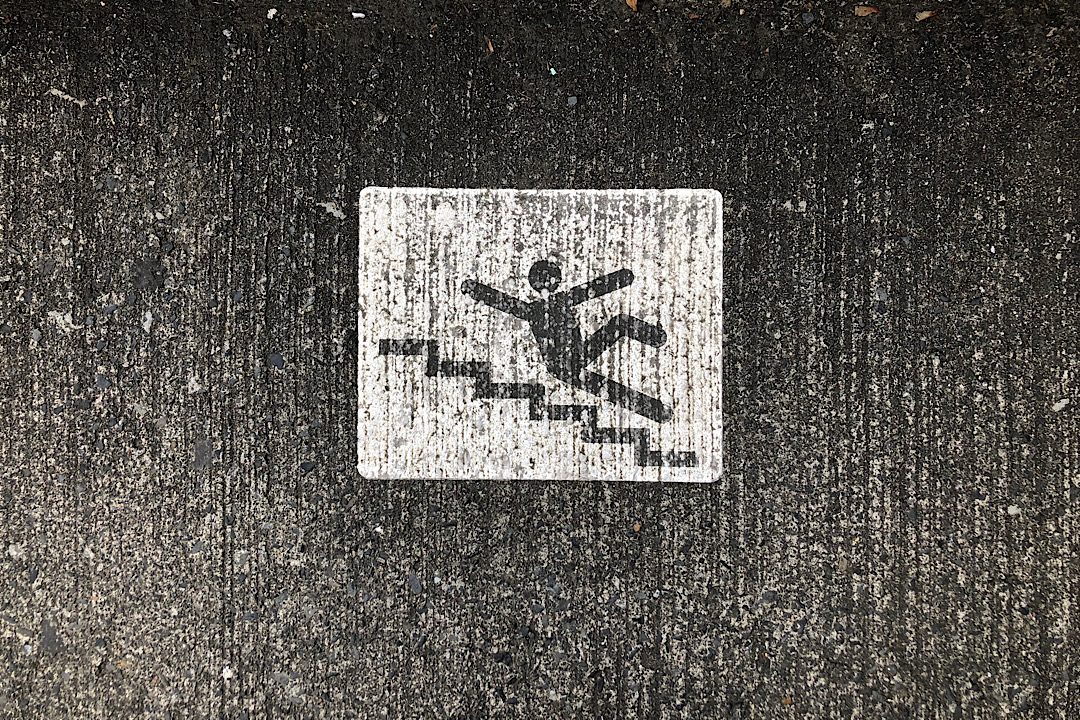
A fall that may only cause bruises or scrapes in a young person can significantly impact an older person’s life. In addition, fractures due to falls are likely to lead to bedridden, and women prone to osteoporosis have an increased risk of fractures. Preventing falls at home is critical and it requires your cautions.
Falls at home often lead to becoming bedridden.
Elderly people and households with elderly people must be careful about “falling.” You may take tripping and falling at home too lightly as a common accident, but as you get older, your physical function declines, and your muscles weaken. Compared to when they were young, they are less able to move their bodies, and it is not uncommon for them to become more prone to stumble over only small steps or to become bedridden after a fall. Even a minor fall can lead to the need for nursing care.
Fractures can lead to bedridden or requiring nursing care…
Injuries and bruises aren’t the only consequences of a fall. As you get older, the risk of fractures from falls increases. Above all, attention is necessary for “femoral neck fracture,” which is likely to occur due to falls. A femoral neck fracture happens near the hip joint (groin). Even a minor fall, such as missing a step on the stairs at home, can result in a broken bone. Surgery and long periods of bed rest may be sometimes necessary, and the muscles may become weak and bedridden.
As a result, the muscles of the legs and lower back become weak, and even after the fracture has healed, walking becomes difficult, and in many cases, it requires nursing care.
Note that osteoporosis increases the risk of fractures.
Muscle weakness is one of the reasons why older adults are more likely to fall.
The prevalence of osteoporosis, which reduces the strength of bones, increases with age, and falls make fractures more likely. Osteoporosis is more common in women than men, and its prevalence is about three times higher than in men. Falls are likely to occur in familiar places such as living rooms and bedrooms, so it is necessary to take adequate measures to mitigate the impact of osteoporosis.
If you go out less due to self-restraint and spend less time in the sun and walking, you will be worried about losing bone mass. If such a life is prolonged, there is concern about health problems due to bone loss.
You will also need to know the critical relationship of beauty and bones.
Middle-aged and older women are more likely to develop osteoporosis due to a rapid decrease in bone density due to the effects of decreased female hormones. And even the younger generation tends to have less bone savings due to lifestyle changes.
The relation between the beauty and bones
Bones not only support the body but are also closely related to the functions of internal organs, such as the flexibility of blood vessels, the ability to lower blood sugar, and the function of the kidneys. In terms of beauty matter, the decrease of facial bone volume causes “sagging and wrinkles” and affects the “appearance impression.” Keeping your bones healthy is good for your body and appearance.
Eat well-balanced meals three times a day.
Calcium intake is vital for bone health, but it’s not the only one. Various nutrients are also required, such as vitamin D, which promotes calcium absorption, and vitamin K, which helps calcium uptake into bones. It is crucial to take in enough energy and nutrients.
Skipping meals increases your chances of getting the energy and nutrients you need.
balanced diet
What is a balanced diet
Staple food (rice, bread, noodles),
Side dishes (vegetables, mushrooms, potatoes, seaweed dishes),
Main dish (meat, fish, egg, soybean dish)
A complete meal.
In addition, if you try not to bias the food in your daily diet as much as possible, you can ingest various nutrients in each food.
In particular, to increase calcium intake, it is possible to incorporate green and yellow vegetables such as spinach, seaweed such as hijiki, and soy products such as tofu.
If it’s not easy to take soy foods in your daily diet, you can try supplements like Effisoy® by Juveriente®.
Healthy diet will lead to your healthy bones, and eventually your beauty.
Do you know the term “Umami“? It is from a Japanese term, meaning the taste element to add or deepen tastefulness in foods. If you know it from brand names like “Umami burger”, you may not have a healthy impression about it. Apart from such a commercial utilization, though, it is actually a key to reduce your calories. It adds thickness and tastefulness to your dishes without oil, sugar nor salt.
Umami is an independent basic taste
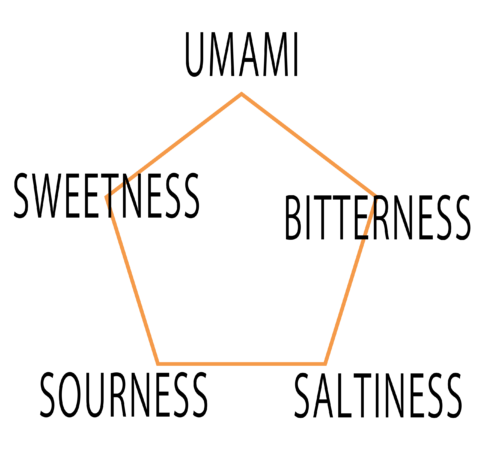
Umami is one of the five basic tastes.
We have traditionally known 4 basic tastes, sweetness, saltiness, bitterness and sourness.
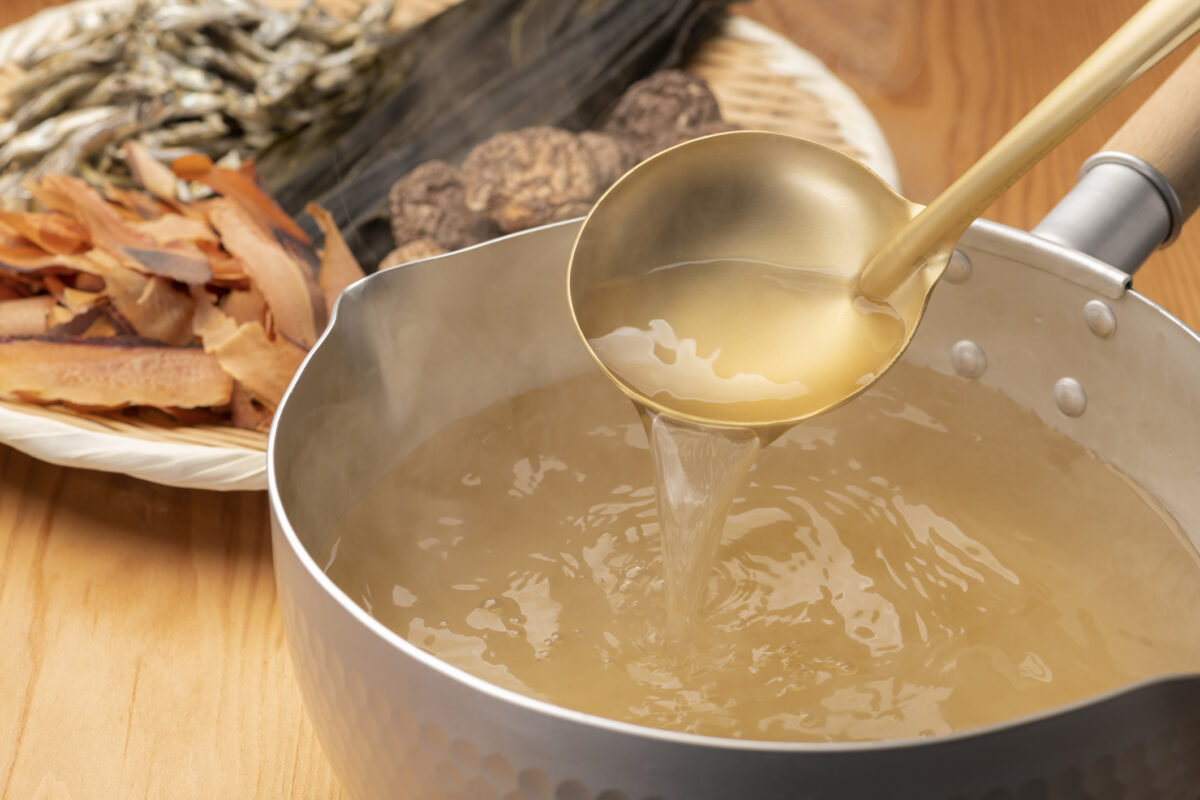
Japanese people have traditionally used “dashi”, some food extracts to add or amplify tastefulness in their cooking. The essence of dashi is Umami and it is actually the 5th basic element.
How Japanese people use “dashi”?
3 major dashi (umami extract) bases in Japan are konbu seaweed, dried bonito shavings and dried shiitake mushroom. The usage is simple. For example; They put some dried bonito shavings in to boiled water for a minute or two. Then they take out the residue after the extraction. They cook miso soup with this hot water. Miso, fermented soy paste, has nice taste and flavor on it’s own. But the dashi will deepen and organize the whole taste of the miso soup.
How scientists found it as actual substances and an independent basic taste?
Japanese scientists found umami as actual substances in the major dashi bases in the early 20th century. Glutamic acid from konbu seaweed, isonic acid from dried bonito shavings and gualynic acid from konbu seaweed.
They considered it as an independent taste element beside other basic ones like saltiness, sweetness, etc. But Western scholars didn’t believe it. According to their thought then, it was merely the tastefulness by the complex of other basic taste elements.
In 2002, they found the receptor of umami on human tong. It is a common recognition now that umami is the fifth basic taste element after saltiness, sweetness, sourness and bitterness.
How can you reduce your calories with umami?
They found it from the Japanese “dashi” culture. But Western foods also has their own umami bases, like fond or broth.
It may be hard for you to try new tastes from a foreign dietary culture. It will be easy for you to utilize vegetable broth and reduce sugar, salt and oil.
When you input “natural appetite suppressants” in a search engine, you will be seeking for some special supplements or food materials. It will be mostly for your weight management.
But it’s difficult to cook a delicious dish based on bad food materials. In like manner, you can’t establish your good health only with such special agents if without healthy dietary habits.
But not only the foods, they traditionally have healthy dietary habits and tips. The following tips work as natural appetite suppressants and you can take them into your life easily. Try them from today!
Hara-Hachibunme This Japanese term means that you stop eating when your appetite is satisfied by 80%. Stop eating when your appetite is eased before you feel full and wait for a while. It will take about 20 minutes before the taken food satisfies your satiety center. If you still need more food after that, take a little more. If you habitually always take food up to the maximum, you will learn that you can be satisfied with less food. As an extra benefit of such a new habit, you can be more active without suffering from the glut.
Take more water as a beverage or soup to fill your stomach with less food. It will provide you the same effect as Hara-Hachibunme without the intensional patience. Is water a natural appetite suppressant? Yes!
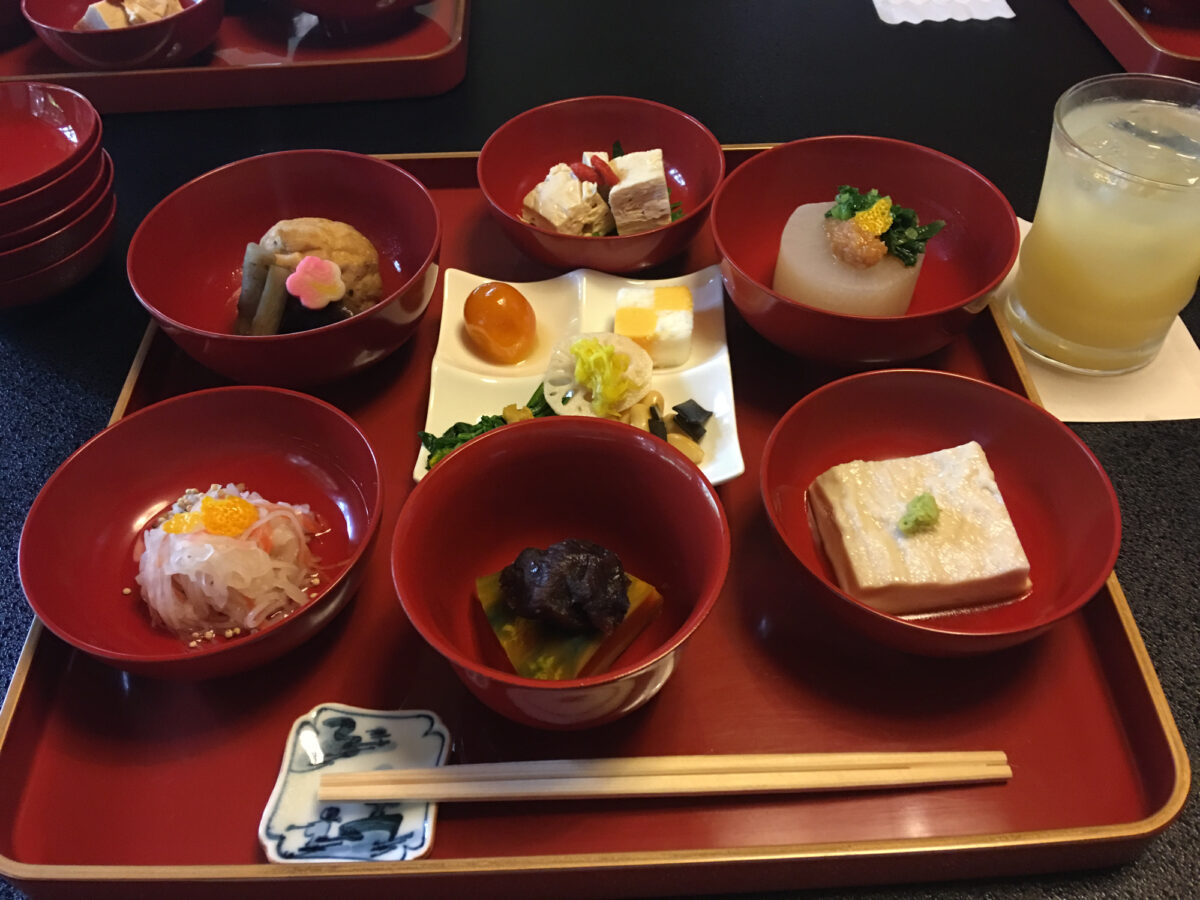
Take various dishes on small plates, and take them alternately, little by little. It Take various dishes on small plates, and take them alternately, little by little. It will satisfy your satiety center with less food by taking time, dietary fiber, and water in the middle. It will also help your health by taking balanced nutrients from the various foods.
Take foods containing much dietary fiber at first. It will slow your digestion and moderate appetite and blood sugar spike. Vegetables, mushrooms, beans, etc., will be good.
Use less cooking oil and sugar. Dashi will help your dish taste better and satisfy the eaters with less cooking oil and sugar. Dashi is an “Umami” extract. Umami is already an English term for elements of taste like bitterness, sweetness, or sourness, which makes you feel tasty.
All these dietary habits are easy for you to take into your life and work as natural appetite suppressants. I like to stress here that you should do them gradually to the extent you can try without stress. The most important thing is to make them your natural habit instead of chasing the benefits in the short term.
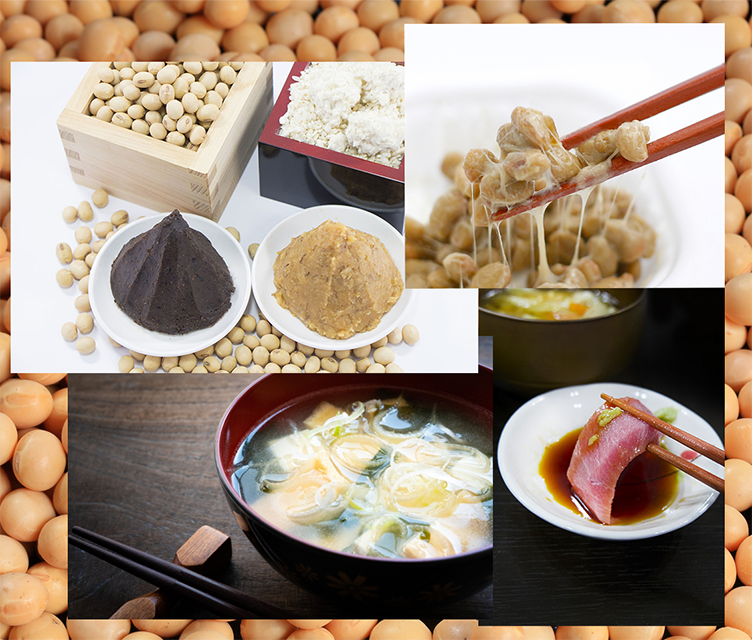
I watched a TV program in Japan for health, where a researcher of fermented food advised a woman to take a bit of fermented food every meal for one week. She had a problem with her bowel movement, and it led to her skin problems. After the week of the trial, she got a significant improvement. She was excited about the excellent condition of her skin. The fermented food she tried in that trial were yogurt, wed kimchi, miso soup, natto, fermented rice, onion, etc.
Umami is global, flavor is local
Maybe you can try. They are some of the best options. But there is a problem. Dr. Fushiki of the University of Kyoto, a famous scholar for fermented food, says, “Umami (savoriness) is global, but the flavor is local.” Fermentation generates rich umami in food in most cases, but it usually accompanies a specific flavor, which often smells and tastes odd to people from other dietary cultures.
For example, as an ultimate example, most Japanese love natto (fermented soy with bacillus natto), but most people other than the Japanese will think of is “rotten” by its gooey outlooking and probably stinky smell. Even such Japanese people can’t eat the “surstromming” of Sweden. (It’s a fermented canned fish called “the world’s most stinking canned food.”)
Those 2 are ultimate examples, but any fermented food presents the same challenge more or less to people from different dietary cultures.
Start with your familiar flavor
But, it will be better that you keep a healthy diet with less challenge than trying something too special and can’t continue. It will be good for you to take your familiar fermented food every day, even by a little.
Yogurt is already popular in the USA. You may not see wine as a fermented food, but it’s a fermented grape extract. Wine has rich polyphenols as the following; (1) From the skin: Anthocyanin, Resveratrol, Tannin (2) From the pulp: Anthocyanin (3) From the seed: proanthocyanin, tannin, quercetin, catechin Some people may be happy to find that wine makes you healthy as well as feeling good! But, you can have too much of a good thing. Be careful to drink it just for your health, and never drink too much.
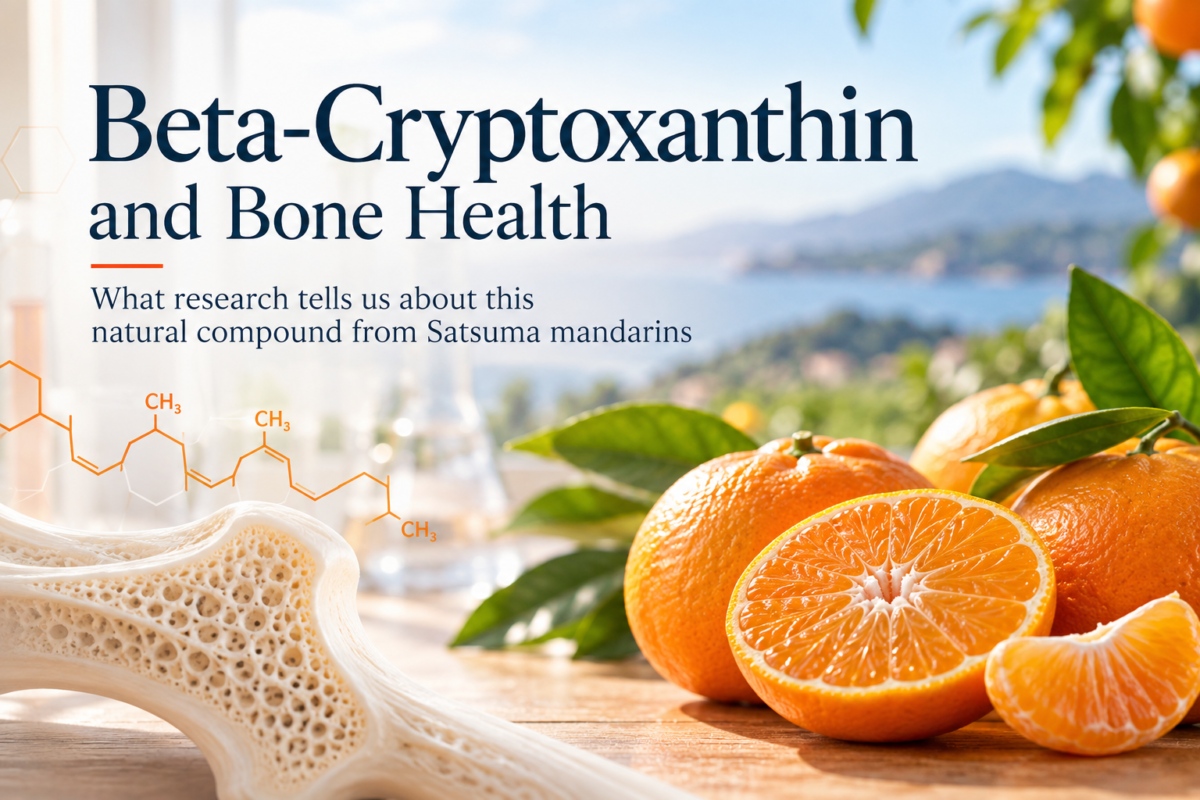
Beta-cryptoxanthin is a naturally occurring carotenoid found in a variety of fruits and vegetables—and it is particularly abundant in Satsuma mandarins, known as mikan in Japan.
Most people associate bone health with familiar nutrients such as calcium and vitamin D. But researchers have also investigated whether other dietary compounds may play a role in the complex process of bone remodeling.
Beta-cryptoxanthin is one of them.
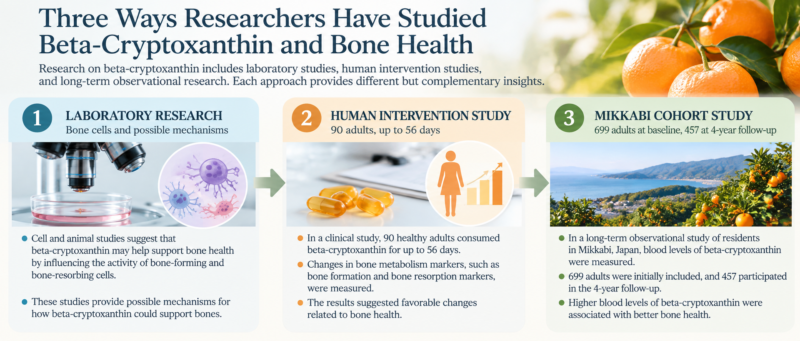
Over the past several decades, research has examined beta-cryptoxanthin from several different perspectives. Laboratory studies have explored its effects on cells involved in bone formation and bone resorption. Small human intervention studies have measured changes in markers of bone metabolism after consuming beta-cryptoxanthin-rich beverages. And observational studies in Japan have investigated associations between blood levels of beta-cryptoxanthin and measures of bone health.
These findings are intriguing, but they need to be interpreted carefully. Laboratory findings do not automatically translate into clinical benefits, and observational associations do not prove that beta-cryptoxanthin prevents or treats osteoporosis.
So what does the research actually show?
This article takes a closer look at the evidence behind beta-cryptoxanthin and bone health—and, just as importantly, what that evidence does not yet prove.
What Is Beta-Cryptoxanthin?
Beta-cryptoxanthin is a carotenoid—a family of natural pigments responsible for many of the yellow, orange, and red colors found in fruits and vegetables.
It is found in foods including papaya, persimmons, red peppers, and citrus fruits. One particularly rich dietary source is the Satsuma mandarin (Citrus unshiu), a small, easy-to-peel citrus fruit widely eaten in Japan and commonly known there as mikan.
Satsuma mandarins, known as mikan in Japan, are a particularly rich dietary source of beta-cryptoxanthin.
Beta-cryptoxanthin also has provitamin A activity, meaning the body can convert it into vitamin A when needed. But researchers have become interested in beta-cryptoxanthin for reasons beyond its role as a vitamin A precursor.
One area of research is bone metabolism.
Bone is living tissue that is continually renewed through a process known as bone remodeling. Cells called osteoblasts are involved in forming new bone, while osteoclasts break down older bone tissue. Maintaining bone health depends in part on the balance between these processes.
Laboratory studies have investigated how beta-cryptoxanthin may interact with these cellular processes. Human studies have approached the question differently, examining bone-metabolism markers or associations between beta-cryptoxanthin status and bone health.
Understanding the difference between these types of evidence is important—and we’ll look at each of them separately below.
Laboratory Research: What Happens in Bone Cells?
Much of the early research on beta-cryptoxanthin and bone metabolism was conducted in laboratory models using bone tissue and cultured cells.
These studies examined two important types of bone cells: osteoblasts, which are involved in forming new bone, and osteoclasts, which break down older bone tissue as part of the normal remodeling process.
In laboratory experiments, beta-cryptoxanthin has been associated with increased activity related to osteoblast function and bone mineralization. Other experiments found effects on the formation and activity of osteoclasts, including pathways involved in bone resorption.
These findings helped researchers develop a possible biological explanation for why beta-cryptoxanthin might be relevant to bone metabolism.
However, this distinction is important: these were primarily cell-culture and animal studies. They help us understand possible mechanisms, but they do not by themselves demonstrate that consuming beta-cryptoxanthin will increase bone density or prevent osteoporosis in humans.
Human Intervention Study: Changes in Bone Metabolism Markers
Researchers have also investigated beta-cryptoxanthin in humans.
In one intervention study, 90 adults between the ages of 27 and 65—including 36 postmenopausal women—were assigned to groups consuming a daily juice containing different amounts of beta-cryptoxanthin or a placebo juice.
The beta-cryptoxanthin groups received 1.5, 3.0, or 6.0 mg per day for up to 56 days.
Researchers measured several blood markers associated with bone formation and bone resorption. In participants consuming 3.0 or 6.0 mg of beta-cryptoxanthin per day, changes were observed in multiple markers of bone metabolism. Similar changes were also reported in the subgroup of postmenopausal women.
This study is interesting because it moves beyond laboratory models and examines biological responses in people.
But it is also important to understand what was measured.
The study evaluated circulating markers of bone metabolism—not changes in bone mineral density or fracture rates. A change in a biomarker is not the same as demonstrating that a nutrient prevents osteoporosis or fractures.
For questions about long-term bone health, we therefore need to look at a different kind of human evidence: observational studies that follow people over time.
The Mikkabi Cohort Study: Beta-Cryptoxanthin and Bone Health Over Time
Some of the most interesting human evidence comes from Mikkabi, a mandarin-growing region in Shizuoka Prefecture, Japan.
The Mikkabi Study began by examining 699 adults—222 men and 477 women—and measuring factors including serum carotenoid levels and bone mineral density.
In the initial cross-sectional analysis, higher serum beta-cryptoxanthin levels were associated with higher radial bone mineral density in postmenopausal women, although the association became weaker after additional adjustment for dietary mineral and vitamin intake.
Researchers then continued to follow participants over time.
Four years later, 457 participants—146 men and 311 women—took part in a follow-up examination. Among the 212 postmenopausal women in this follow-up analysis, 15 developed new-onset osteoporosis during the four-year period.
After adjusting for multiple potential confounding factors, women with the highest baseline serum beta-cryptoxanthin concentrations had lower odds of developing osteoporosis than women in the lowest group. Higher beta-cryptoxanthin levels were also associated with a lower risk of developing osteopenia or osteoporosis.
These findings are noteworthy because they come from people observed over several years rather than from cells or short-term changes in blood markers.
However, the Mikkabi Study was observational. It can identify associations, but it cannot establish that beta-cryptoxanthin itself caused the lower risk. People with higher beta-cryptoxanthin levels may also differ in diet, lifestyle, or other factors that influence bone health.
What the Research Shows—and What It Doesn’t Yet Prove
Taken together, the research on beta-cryptoxanthin and bone health is promising—but it is important to distinguish between what the evidence suggests and what it has actually demonstrated.
Laboratory studies provide a possible biological explanation for how beta-cryptoxanthin may influence processes involved in bone formation and bone resorption. Human intervention studies have also reported changes in blood markers associated with bone metabolism after beta-cryptoxanthin intake.
Longer-term observational research from Japan adds another piece to the picture. In the Mikkabi Study, higher blood levels of beta-cryptoxanthin were associated with more favorable measures of bone health in some analyses, including a lower incidence of osteoporosis among postmenopausal women during follow-up.
These different types of evidence point in an interesting direction, but they are not equivalent to proof that beta-cryptoxanthin prevents or treats osteoporosis.
Laboratory findings do not always translate into meaningful clinical effects in humans. Changes in bone-turnover markers do not necessarily mean that bone mineral density will increase or fractures will be prevented. And observational studies can identify associations, but they cannot fully separate the effects of beta-cryptoxanthin from other differences in diet, lifestyle, and overall health.
Most importantly, large, long-term randomized clinical trials examining outcomes such as bone mineral density and fracture risk are still limited.
For these reasons, beta-cryptoxanthin is best viewed as an interesting dietary compound being studied for its potential role in bone health—not as a treatment for osteoporosis or a replacement for established approaches to maintaining healthy bones.
Research Results Are Not Always Consistent
Not all studies of beta-cryptoxanthin and bone health have produced the same results.
While studies from Japan—particularly the Mikkabi Study—have reported associations between higher beta-cryptoxanthin levels and more favorable measures of bone health, research in other populations has been less consistent.
For example, the Framingham Osteoporosis Study followed older adults in the United States and examined dietary intake of several carotenoids in relation to bone mineral density and fracture risk. In these analyses, beta-cryptoxanthin intake was not significantly associated with bone mineral density or a lower risk of hip fracture.
Why might the results differ?
The studies involved different populations, diets, levels of beta-cryptoxanthin intake, methods of measuring exposure, and bone-health outcomes. Beta-cryptoxanthin intake is also generally higher in Japan than in the United States, particularly in regions where Satsuma mandarins are commonly consumed.
A 2016 review of beta-cryptoxanthin research noted these differences and concluded that variations in study design, population, and diet may help explain the inconsistent findings.
More recently, a systematic review and meta-analysis published in 2021 found that higher beta-cryptoxanthin intake was associated with a lower risk of osteoporosis and hip fracture across the observational studies analyzed. However, the authors also emphasized important limitations in the available evidence and called for further longitudinal studies and randomized controlled trials.
Taken together, the evidence remains encouraging, but not definitive. The differences between studies are another reason to view beta-cryptoxanthin as a promising area of nutritional research rather than as a proven treatment for osteoporosis.
How Beta-Cryptoxanthin Fits Into the Bigger Picture of Bone Health
Beta-cryptoxanthin is only one piece of a much larger bone-health picture.
Strong bones depend on many factors working together. Adequate calcium and vitamin D remain important, while protein and other nutrients contribute to maintaining the tissues that support movement and strength. Regular weight-bearing and resistance exercise also helps support bones and muscles, balance, and mobility.
For women during and after menopause, this broader perspective becomes especially important. Declining estrogen can affect the balance of bone remodeling, while changes in muscle mass and strength can influence mobility and the risk of falls.
Beta-cryptoxanthin adds an interesting nutritional dimension to this picture. Its presence in foods such as Satsuma mandarins, together with the laboratory, human intervention, and observational research discussed above, makes it a worthwhile subject for continued study.
But it should not be viewed in isolation—or as a substitute for established approaches to bone health.
Instead, the research on beta-cryptoxanthin offers another example of how foods and dietary patterns may contain compounds that contribute to the complex process of healthy aging.
For women interested in the broader picture, our guide to natural ways to support bone health during menopause explores how hormonal changes, nutrition, exercise, muscle strength, and Japanese dietary habits fit together.
Why Juveriente Became Interested in Beta-Cryptoxanthin
At Juveriente, our interest in beta-cryptoxanthin began with a simple question: could traditional Japanese foods offer useful clues for supporting healthy aging?
Satsuma mandarins have long been a familiar part of everyday life in Japan. Research from mandarin-growing regions such as Mikkabi drew our attention to beta-cryptoxanthin, one of the naturally occurring carotenoids found in particularly high concentrations in this fruit.
As we looked more closely at the research, what interested us was not a single dramatic finding, but the different layers of evidence—from laboratory studies of bone metabolism to human intervention studies and long-term observational research.
At the same time, the limitations of that evidence are important. Beta-cryptoxanthin should not be viewed as a treatment for osteoporosis, and bone health cannot be reduced to any single nutrient or dietary compound.
Instead, we see beta-cryptoxanthin as one interesting part of a broader approach to nutrition and healthy aging—an approach inspired in part by foods and dietary habits that have long been familiar in Japan.
From Research to Bone Strength Complex
This interest in beta-cryptoxanthin eventually became part of the thinking behind Juveriente® Bone Strength Complex.
The formula includes beta-cryptoxanthin from Satsuma mandarin extract together with nutrients commonly associated with maintaining healthy bones, including calcium, vitamin D, magnesium, and vitamin K.
The idea is not that beta-cryptoxanthin—or any supplement—can replace a balanced diet, regular physical activity, or appropriate medical care. Rather, Bone Strength Complex was developed as a nutritional option for people who want to support bone health as part of a broader healthy-aging lifestyle.
The research discussed on this page helps explain why beta-cryptoxanthin became an ingredient of particular interest to us. It should not, however, be interpreted as evidence that Bone Strength Complex prevents or treats osteoporosis.
Beta-cryptoxanthin is a fascinating example of how a naturally occurring compound in an everyday food can become the subject of scientific research.
Laboratory studies have suggested possible effects on processes involved in bone remodeling. Human intervention studies have reported changes in markers of bone metabolism, while observational studies—particularly those conducted in Japan—have found associations between higher beta-cryptoxanthin levels and certain measures of bone health.
At the same time, the evidence has important limitations. Results have not been completely consistent across populations, and the research available today does not establish beta-cryptoxanthin as a treatment for osteoporosis or as a substitute for established approaches to maintaining bone health.
Healthy bones are supported by the bigger picture: good nutrition, adequate calcium and vitamin D, regular physical activity, strong muscles, and appropriate medical care when needed.
Beta-cryptoxanthin may be one interesting part of that picture—and one that deserves continued research.